

Al Fahidi Fort – Dubai’s Oldest Building And Most Famous Museum
Dubai’s historical heart beats within ancient coral walls.
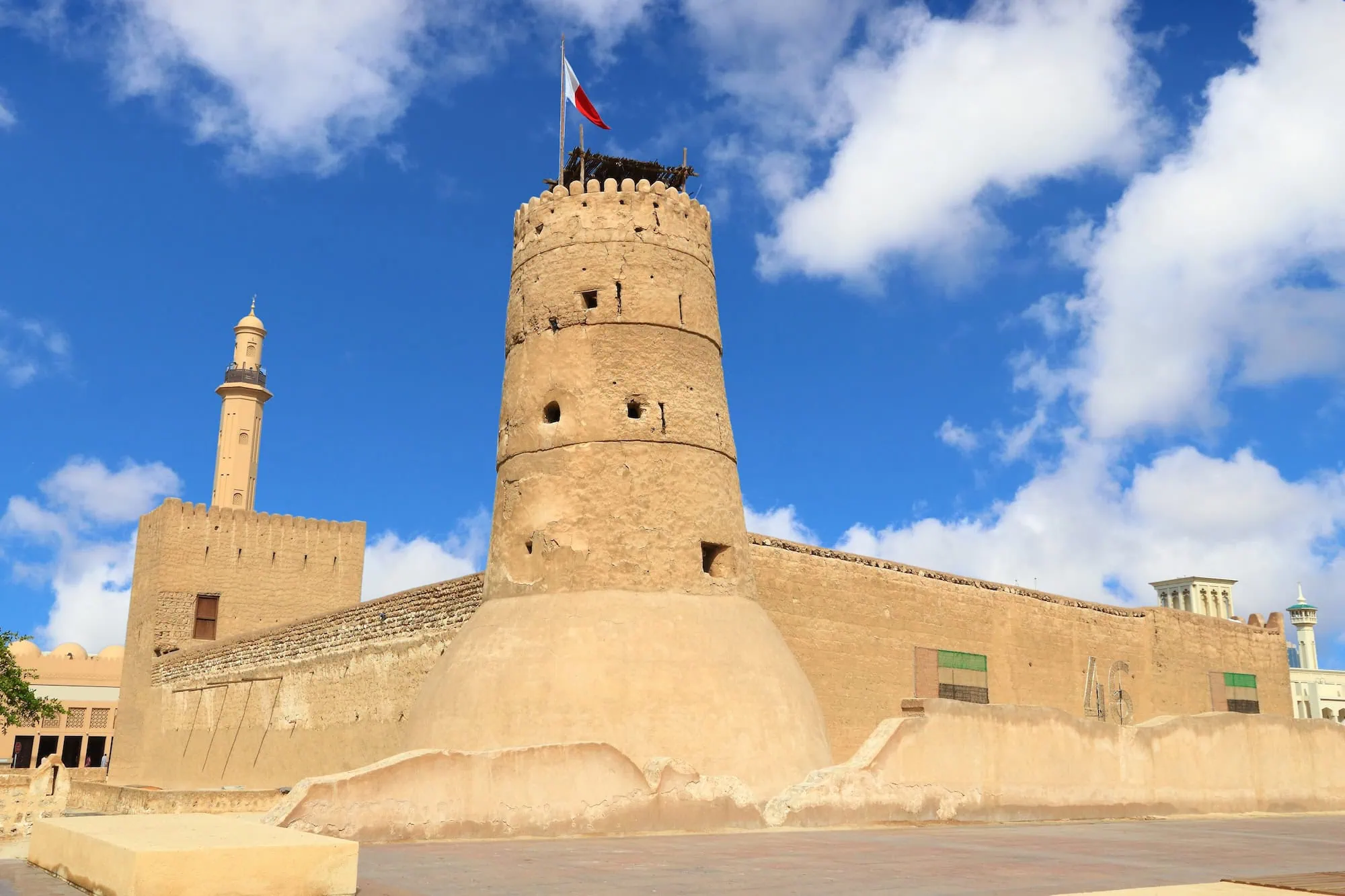
The towering skyscrapers and modern malls of Dubai reveal only part of the city’s story. Long before oil reshaped the emirate, fishing villages and pearl diving communities flourished along Dubai Creek. Al Fahidi Fort stands as the oldest surviving structure, preserving this rich heritage within its original walls.
Al Fahidi Fort can be included in our Egypt and Dubai holiday packages, where Dubai’s cultural roots are explored alongside its modern attractions and Egypt’s ancient civilizations.
Built in 1787, the fort has served multiple roles—from royal residence to defensive fortress and prison—before becoming the home of Dubai Museum in 1971. Today, it offers visitors an immersive journey into the past, with exhibits and artifacts that bring traditional Emirati life to life.
Table of Contents
Historical Significance of Al Fahidi Fort
The fort represents Dubai’s architectural heritage spanning over two centuries. Constructed from coral stone, gypsum, and palm wood, this square fortress showcases traditional Arabian building techniques that have withstood the test of time.
Original Purpose and Construction
Sheik Maktoum bin Hasher Al Maktoum commissioned Al Fahidi Fort in 1787 to protect Dubai’s growing trading port. The strategic location overlooking Dubai Creek allowed guards to monitor maritime traffic and defend against potential threats. Four distinctive square towers anchor each corner of the fortress, while thick coral walls provide both structural integrity and natural cooling.
The building materials tell their own story of Arabian ingenuity. Coral blocks were harvested from the Persian Gulf, creating walls that remain cool during scorching summer months. Traditional builders mixed gypsum mortar with goat hair for added strength, while palm timber supported the ceiling structures.
Evolution Through the Centuries
Political changes transformed the fort’s role multiple times throughout its existence. During the early 20th century, British colonial authorities used the structure as a prison and government seat. Local rulers later converted portions into administrative offices, maintaining the building’s civic importance.
The 1960s marked a turning point when Dubai’s leadership recognized the fort’s cultural value. Instead of demolishing this historical landmark, city planners chose preservation over progress. This decision proved visionary as Dubai Museum opened in 1971, becoming one of the UAE’s first major cultural institutions.
Dubai Museum Experience
Modern technology meets ancient history within these storied walls. The museum transforms visitors into time travelers, offering glimpses of pre-oil Dubai through carefully crafted displays and interactive experiences.
Underground galleries house the museum’s most impressive collections. Life-size dioramas recreate traditional souks, where merchants once sold spices, textiles, and pearls to traders from across the Arabian Peninsula and beyond. Audio guides provide context in multiple languages, helping international visitors understand the significance of each exhibit.
Immersive Dioramas and Displays
The museum’s crown jewels are its detailed dioramas showing traditional Emirati life. One display recreates a bustling marketplace from the 1950s, complete with shopkeepers weighing goods on antique scales. Another shows pearl divers preparing for dangerous expeditions to offshore oyster beds.
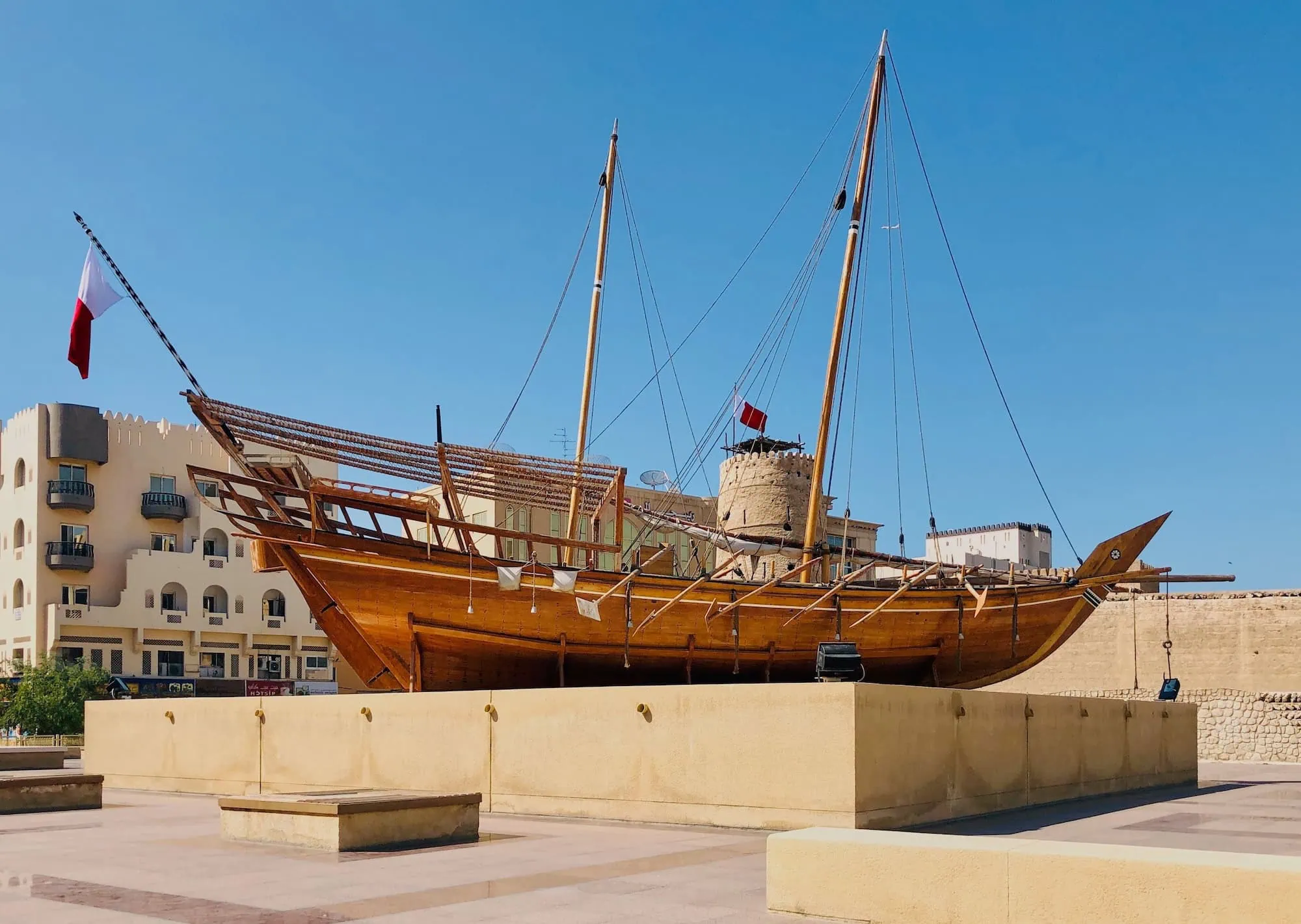
Maritime heritage receives special attention through a full-scale dhow model. These traditional wooden boats carried Dubai’s merchants across the Arabian Sea to India and East Africa. Interactive elements allow visitors to explore the vessel’s construction and understand navigation techniques used before modern GPS systems.
Archaeological Artifacts and Cultural Collections
Recent excavations in Al Fahidi district have uncovered pottery fragments, coins, and tools dating back 4,000 years. These artifacts prove human settlement in the Dubai area far predates the city’s modern founding. Display cases showcase items from various historical periods, including Islamic ceramics and Ottoman-era weapons.
Traditional Bedouin culture comes alive through authentic camping displays. Goat hair tents, camel saddles, and falconry equipment demonstrate the nomadic lifestyle that shaped Arabian identity for centuries. Many artifacts were donated by local families, adding personal stories to the historical narrative.
Architectural Features and Design Elements
Coral stone construction gives Al Fahidi Fort its distinctive appearance and practical benefits. These natural building blocks, quarried from shallow coastal waters, provided excellent insulation against desert heat while remaining readily available to local builders.
The fortress layout follows traditional Arabian defensive architecture. High walls create an interior courtyard where residents could seek shelter during attacks. Narrow windows, called mashrabiya, allowed air circulation while maintaining privacy and security. Wooden shutters could be quickly closed to protect against sandstorms or intruders.
Water storage systems within the fort demonstrate ingenious desert survival techniques. Underground cisterns collected precious rainwater during brief winter storms. These reserves sustained the garrison through long dry periods when external water sources became unreliable.
Wind towers, though not original to the 1787 construction, were added during later renovations. These traditional cooling systems channel breezes down into interior spaces, creating natural air conditioning that reduces indoor temperatures by several degrees. Modern Dubai’s skyscrapers still incorporate similar passive cooling principles in contemporary designs.
Current Renovation Status
Al Fahidi Fort temporarily closed for comprehensive restoration in 2025. This extensive renovation project aims to preserve the structure for future generations while upgrading visitor facilities and exhibition spaces.
Conservation experts are carefully documenting every architectural element before beginning restoration work. Traditional building techniques will be used wherever possible, with coral stone and gypsum mortar matching original materials. New foundation work will protect the structure from potential flood damage while respecting historical authenticity.
The renovation timeline extends through 2026, with phased reopening planned for early 2027. Enhanced climate control systems will better protect delicate artifacts, while improved accessibility features will welcome visitors with mobility challenges. Digital displays will complement traditional exhibits, offering multilingual content and interactive learning opportunities.
Temporary exhibitions during the closure period will showcase Dubai Museum collections at satellite locations throughout the city. These popup displays ensure continued access to Dubai’s cultural heritage while the main facility undergoes restoration.
Visitor Experience and Practical Information
Planning your visit to Al Fahidi Fort requires checking current operational status due to ongoing renovations. Once reopening occurs, we recommend allocating 90 minutes to 2 hours for a comprehensive museum experience.
Location and Transportation Options
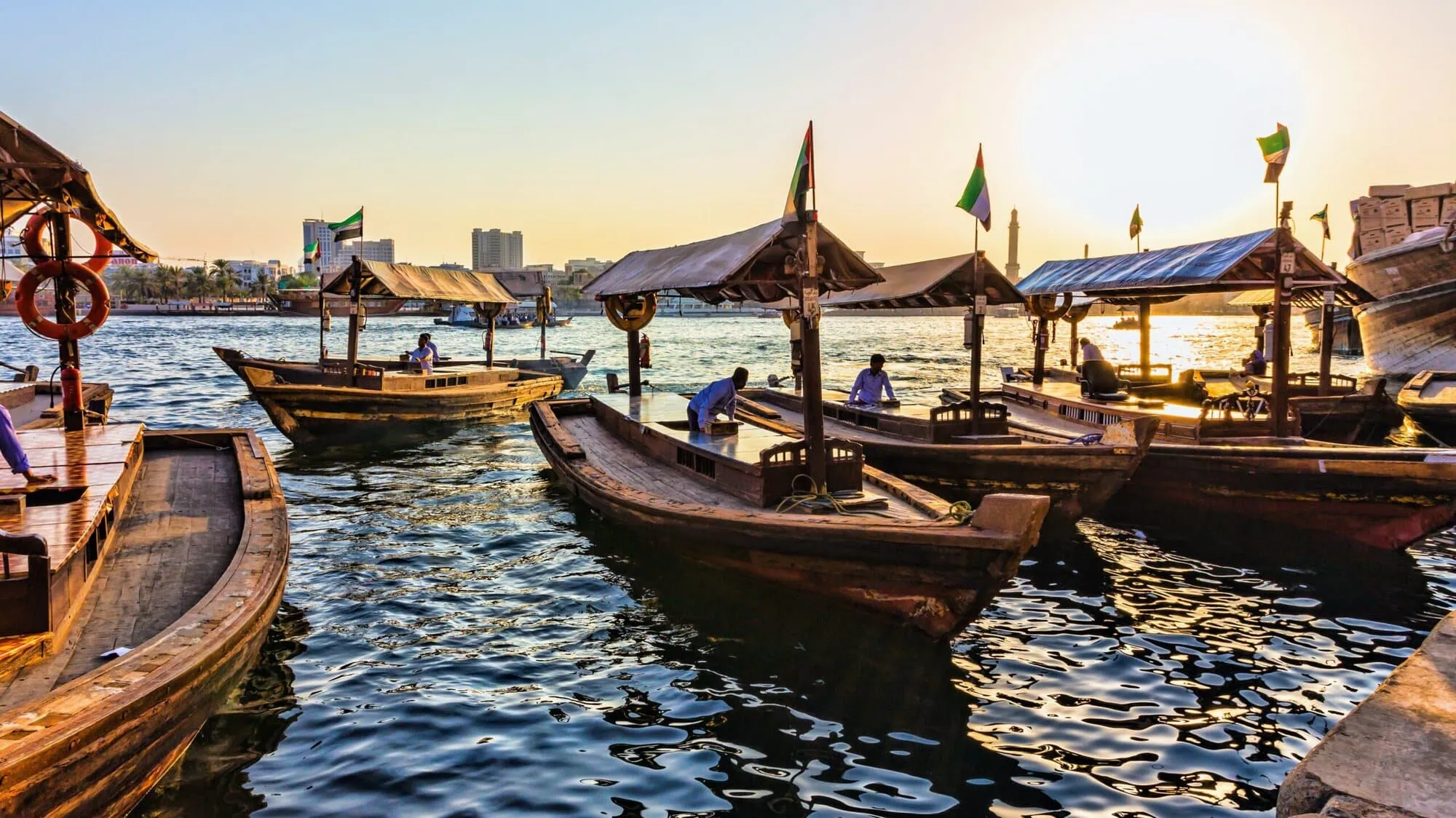
Al Fahidi district sits along the Bur Dubai side of Dubai Creek, easily accessible via multiple transportation methods. Dubai Metro’s Al Ghubaiba station places you within walking distance of the fort, while traditional abra boats offer scenic water taxi service from Deira across the creek.
Taxi services provide direct access to the museum entrance, with designated parking areas for private vehicles. Many visitors combine their fort visit with exploration of the surrounding Al Fahidi Historical Neighborhood, where traditional wind-tower houses have been converted into cultural centers, galleries, and cafes.
Opening Hours and Admission Details
Standard museum hours typically run from 8:30 am (08:30) to 8:30 pm (20:30), Saturday through Thursday, with Friday hours from 2:30 pm (14:30) to 8:30 pm (20:30). These schedules may vary during Ramadan and other significant cultural periods.
Admission fees remain modest to encourage cultural education. Adult tickets cost approximately 3 AED, while children under 10 enter free of charge. Group discounts are available for school visits and tour groups with advance booking.
Audio guides in Arabic, English, French, German, and other languages enhance the visitor experience. Photography is permitted in most areas, though flash photography may be restricted to protect sensitive artifacts.
Our private Dubai city tours can incorporate Al Fahidi Fort visits once the museum reopens, combining this cultural experience with other historical sites throughout the emirate. Our expert guides provide deeper context about Dubai’s transformation from fishing village to global metropolis, enriching your understanding of this remarkable story.
Frequently Asked Questions
The museum is expected to reopen in early 2027 following comprehensive renovation work.
Allow 90 minutes to 2 hours for a thorough exploration of the fort.
Adult admission is approximately 3 AED, with free entry for children under 10.
Photography is generally permitted, though flash may be restricted in certain areas.
Audio guides are offered in Arabic, English, French, German, and several other languages.
Renovation plans include improved accessibility features to better accommodate visitors with mobility needs.
Dubai Metro, traditional abra boats, taxis, and private vehicles all provide access.
The surrounding Al Fahidi Historical Neighborhood offers galleries, cultural centers, and traditional architecture.
Typical hours are 8:30 am-8:30 pm (Saturday-Thursday) and 2:30 pm-8:30 pm (Friday).
Built in 1787, it’s Dubai’s oldest existing building and served as fortress, prison, and government seat.
Our private Dubai tours can incorporate the fort once it reopens, providing expert commentary.
Design Your Custom Tour
Explore Egypt and Dubai your way by selecting only the attractions you want to visit