

Wadi Umm Ishrin – Ancient Inscriptions And Vast Sand Dunes
The red sandstone walls rise 300 meters above you as ancient Nabataean inscriptions whisper stories from 300 BCE.
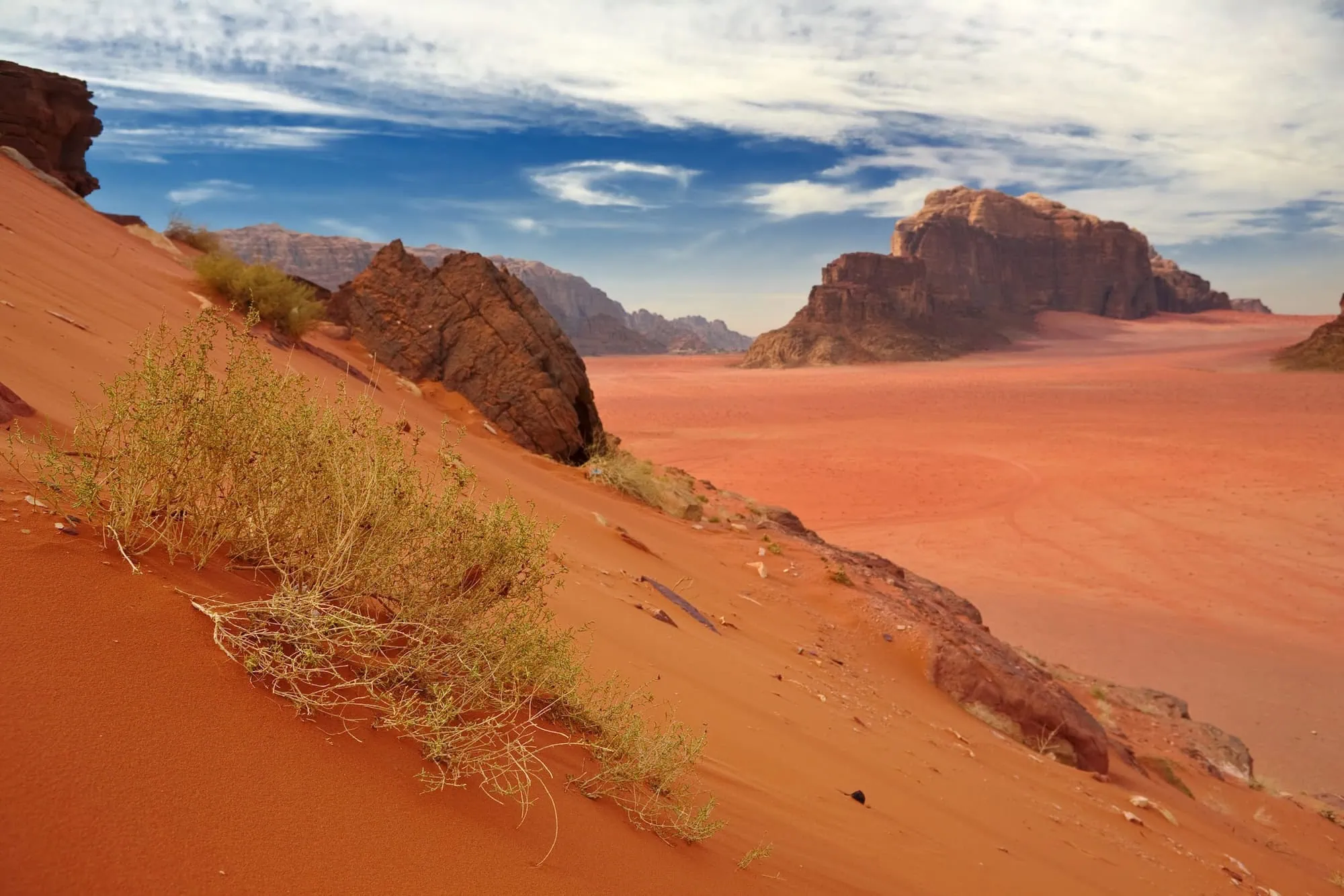
Wadi Umm Ishrin stands as one of Jordan’s most compelling desert destinations, where towering canyon walls shelter remarkable archaeological treasures and world-class adventure opportunities. Located within the protected Wadi Rum area, this spectacular gorge offers everything from peaceful camel treks across shifting dunes to technical climbing routes for more experienced adventurers.
Having guided thousands of travelers through these ancient landscapes, we’ve seen how Wadi Umm Ishrin consistently transforms a trip into something far more memorable. Whether you’re drawn by the historical depth of Nabataean inscriptions or the thrill of sandboarding down pristine dunes, this area delivers a rare combination of culture and adventure.
Wadi Umm Ishrin is often featured in our Egypt and Jordan luxury tours, where you can combine the dramatic landscapes of Wadi Rum with iconic sites such as Petra, the Dead Sea, and Egypt’s ancient monuments.
Every corner reveals something new—from hidden water sources that sustained early civilizations to petroglyphs documenting thousands of years of human history.
Table of Contents
Ancient Inscriptions and Archaeological Treasures
Three thousand years of human history unfold across the canyon walls of Wadi Umm Ishrin. The Nabataeans carved their legacy deep into the red sandstone, creating inscriptions that remain remarkably well-preserved today. These ancient texts, dating back to 300 BCE, provide invaluable insights into trade routes, religious practices, and daily life in one of history’s most sophisticated desert civilizations.
Nabataean Heritage Sites
Walking through the canyon feels like stepping into an open-air museum where every surface tells a story. The inscriptions appear at eye level, carved by merchants, pilgrims, and travelers who sought shelter in these protective walls centuries ago. Professional archaeological surveys have documented over 200 distinct inscriptions within the main canyon system.
Our expert guides can translate many of these ancient texts, revealing personal messages, prayers, and even ancient graffiti left by Nabataean youth. The preservation quality amazes visitors – symbols and letters remain sharp and clear despite centuries of desert winds.
Lawrence’s Spring Discovery
T.E. Lawrence himself documented several significant archaeological finds during his time in the Wadi Rum region. Lawrence’s Spring, located near the canyon entrance, served as a crucial water source for both ancient civilizations and modern expeditions. Archaeological evidence suggests this natural spring sustained human settlements for over 2,000 years.
The spring area contains some of the most concentrated petroglyphs in the entire region. These rock drawings depict hunting scenes, astronomical observations, and religious ceremonies that predate even the Nabataean inscriptions.
Adventure Activities and Desert Experiences
The vast sand dunes surrounding Wadi Umm Ishrin create perfect conditions for sandboarding, an increasingly popular activity that combines the thrill of snowboarding with the beauty of desert landscapes. These natural slopes can reach angles of 35 degrees, providing excitement for beginners and experienced boarders alike.
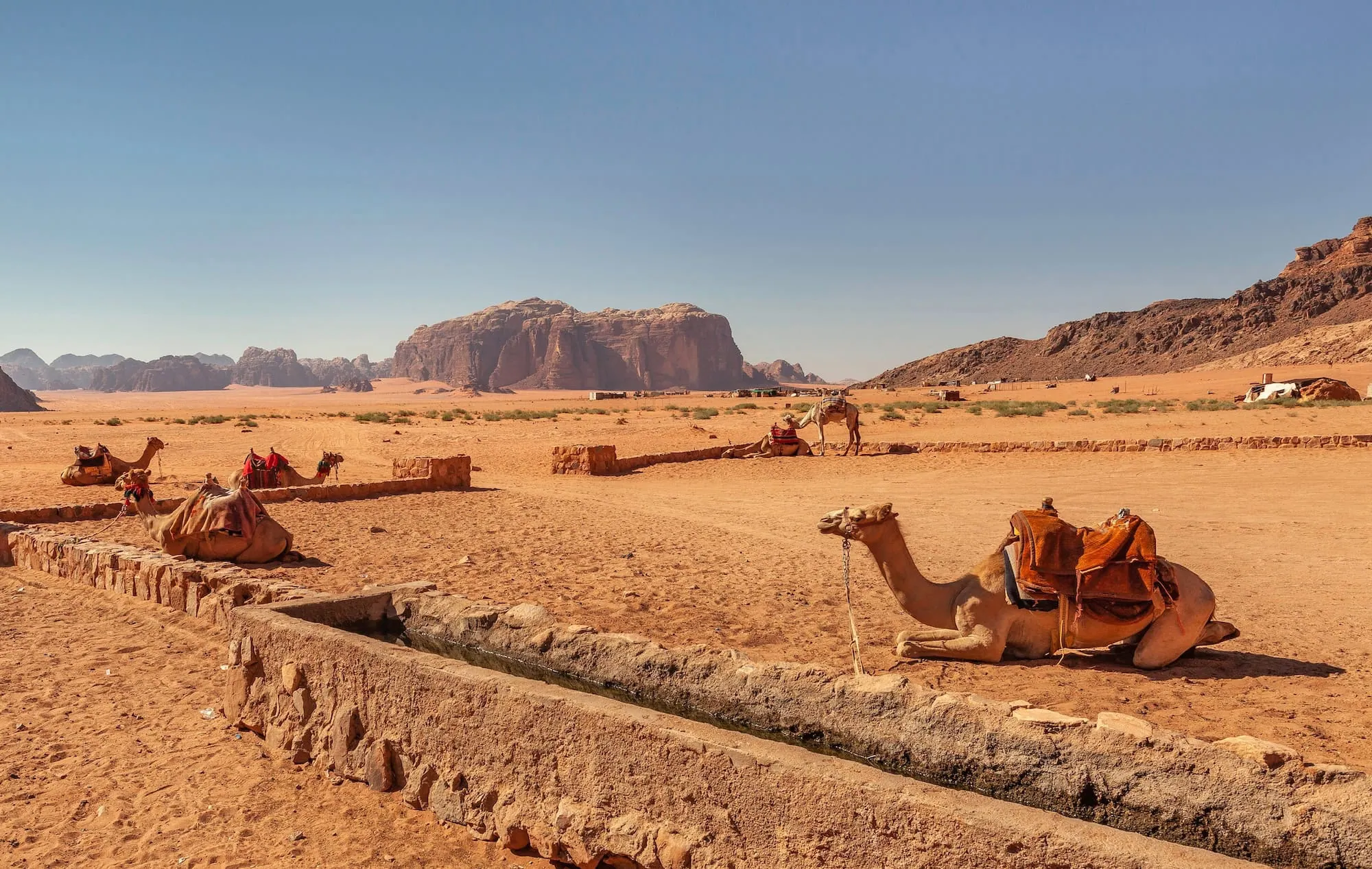
Camel trekking represents the most traditional way to explore the area. Two to three-hour camel journeys allow visitors to cover the 3-kilometer trek through the main canyon while experiencing the desert as Bedouin tribes have for generations. Our experienced camel handlers share stories passed down through their families, connecting modern visitors with ancient desert wisdom. The gentle swaying motion and elevated perspective reveal landscape details impossible to notice on foot.
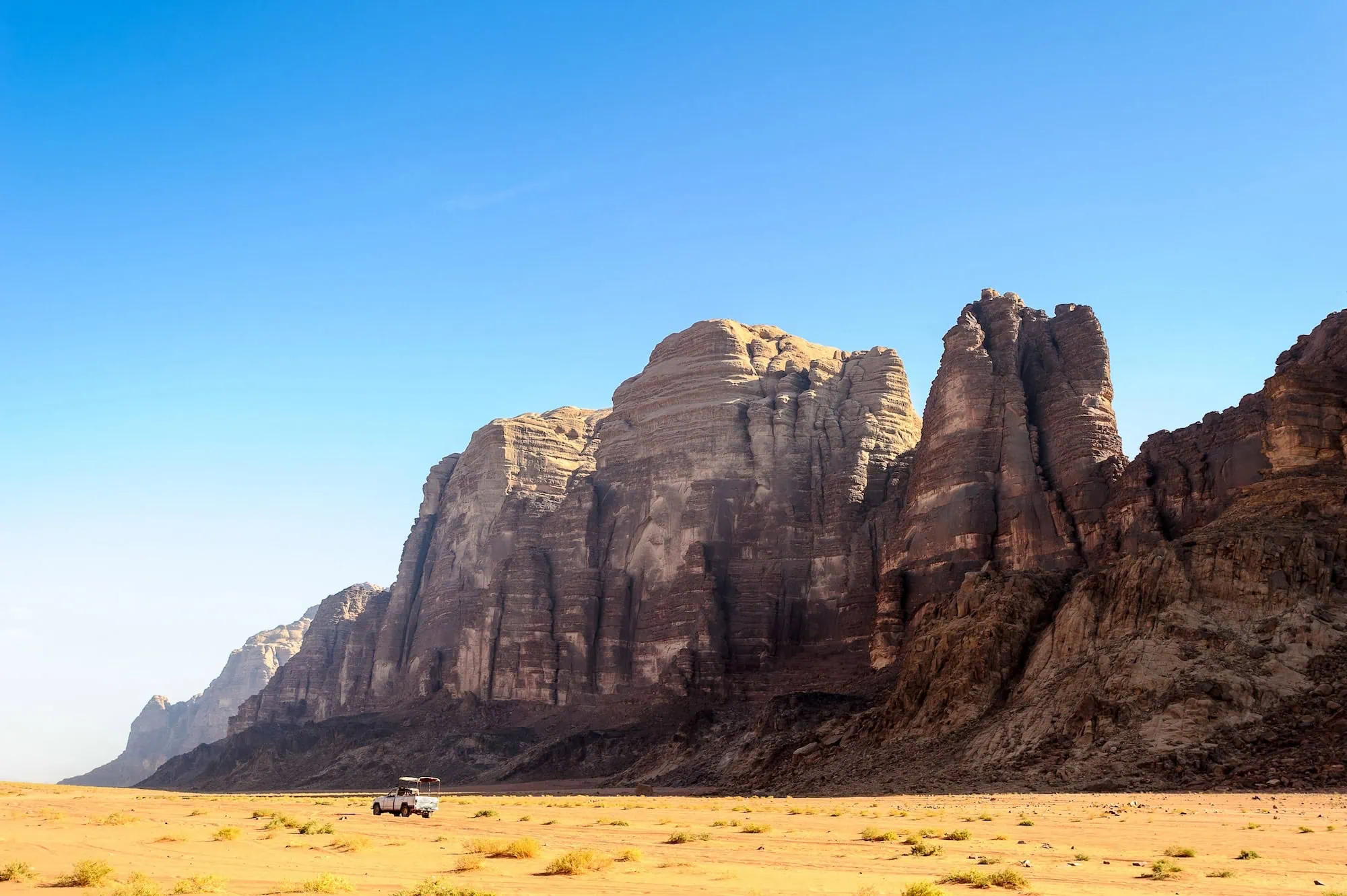
Technical climbing enthusiasts discover world-class routes throughout the Jebel Um Ishrin massif. The Crazy Ibex route, known locally as Bedan Majnoun, follows ancient ibex trails up the canyon walls. This challenging ascent requires 6-8 hours and includes three technical sections that demand advanced climbing skills.
Experienced mountaineers often combine their Wadi Umm Ishrin ascent with attempts on nearby Jebel Rum, Jordan’s second-highest peak at 1,754 meters. The proximity of these two major climbing destinations makes the area a magnet for serious adventure travelers seeking multi-day expeditions.
Geological Formations and Natural Wonders
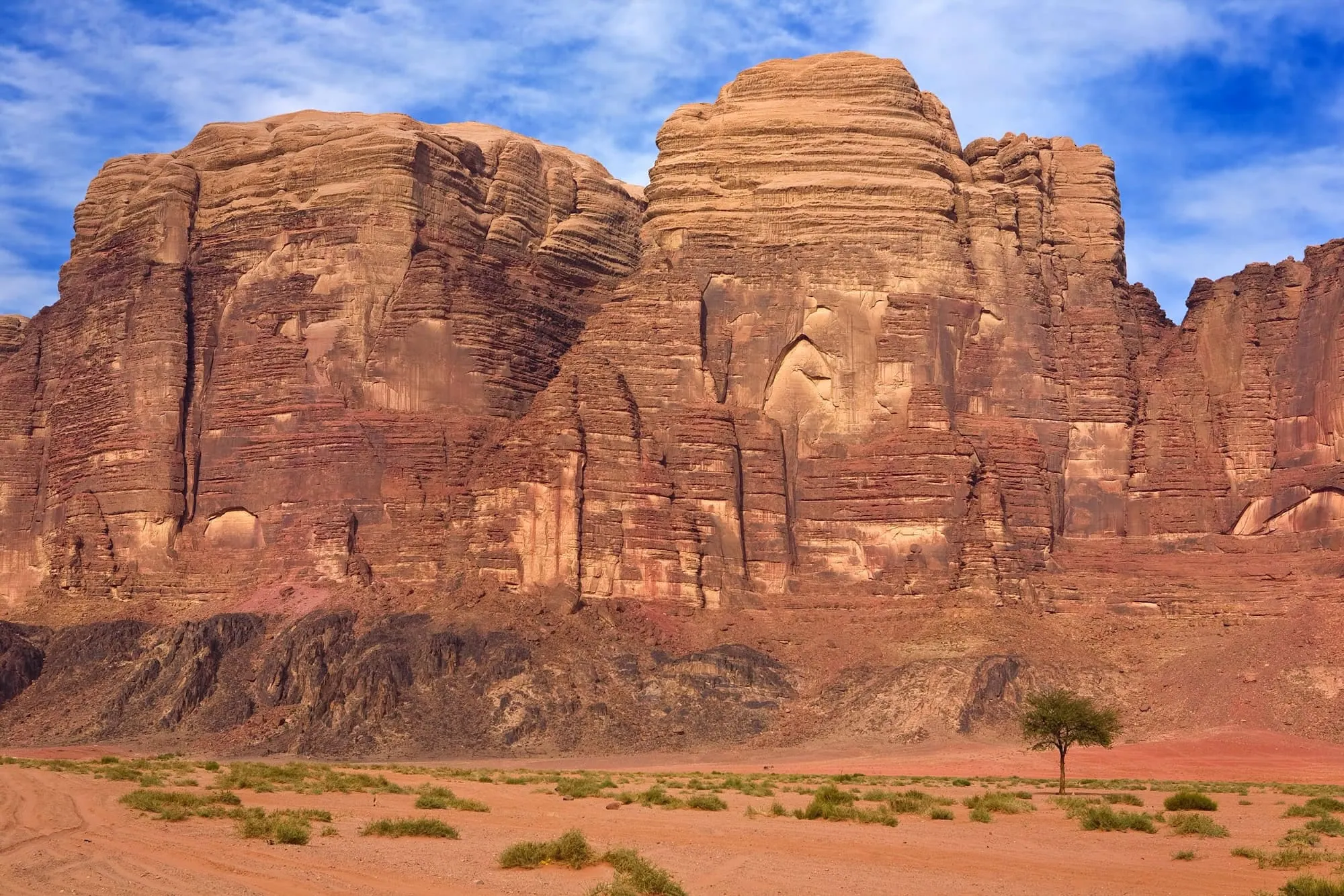
Red sandstone dominates the visual landscape, creating the dramatic color contrasts that make Wadi Rum world-famous. The geological processes that shaped Wadi Umm Ishrin occurred over 500 million years, resulting in the unique rock formations visible today. Erosion carved the canyon system through layers of Cambrian and Ordovician sandstone, creating walls that reach heights of 300 meters in some sections.
Seven Pillars Massif Connection
The Jebel Um Ishrin massif forms part of the larger Seven Pillars of Wisdom geological formation. These towering red sandstone cliffs provided inspiration for T.E. Lawrence’s famous work and continue to capture imaginations today. From certain vantage points within the canyon, visitors can observe all seven distinct pillar formations simultaneously.
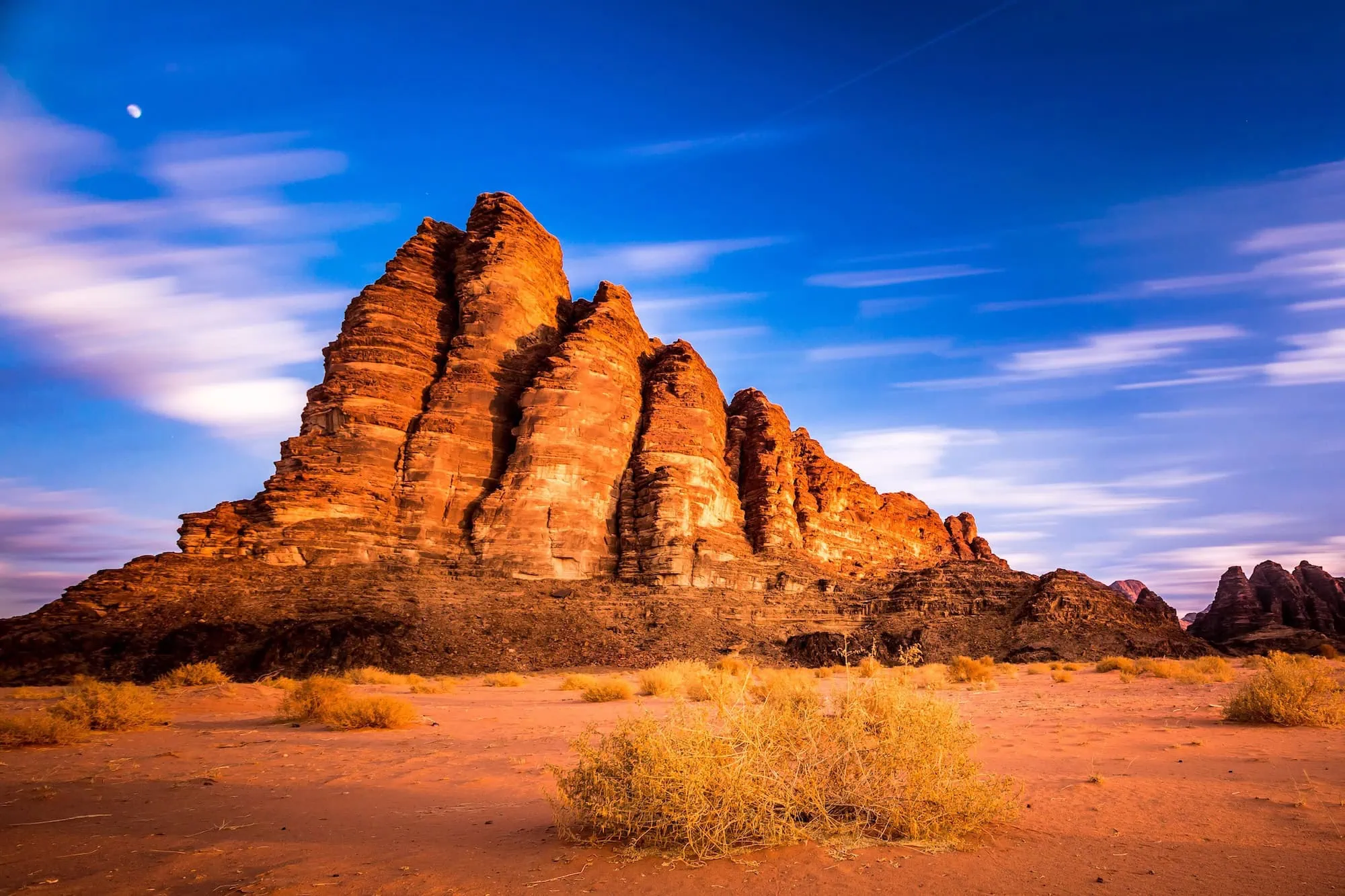
Wind and water erosion created the intricate patterns visible on canyon walls. Natural arches, deep alcoves, and sculptural formations emerge from every angle. Professional geologists frequently study this area as a textbook example of desert erosion processes.
Rakhabat Canyon System
The broader canyon network includes Rakhabat Canyon, which connects to the main Wadi Umm Ishrin gorge through a series of narrow passages. This secondary canyon system contains its own collection of archaeological sites and provides alternative routes for experienced hikers seeking solitude away from more popular trails.
Water sources remain active throughout the canyon system, even during summer months. These springs support surprising biodiversity, including rare desert plants and occasional wildlife sightings. Ibex tracks appear regularly along established trails, though the animals themselves remain elusive to most visitors.
Planning Your Visit and Practical Information
Timing significantly impacts your Wadi Umm Ishrin experience. Winter months from November through March offer ideal temperatures for hiking and climbing, with daytime temperatures ranging from 15-25°C (59-77°F). Summer visits require early morning starts, as temperatures can exceed 40°C (104°F) by midday.
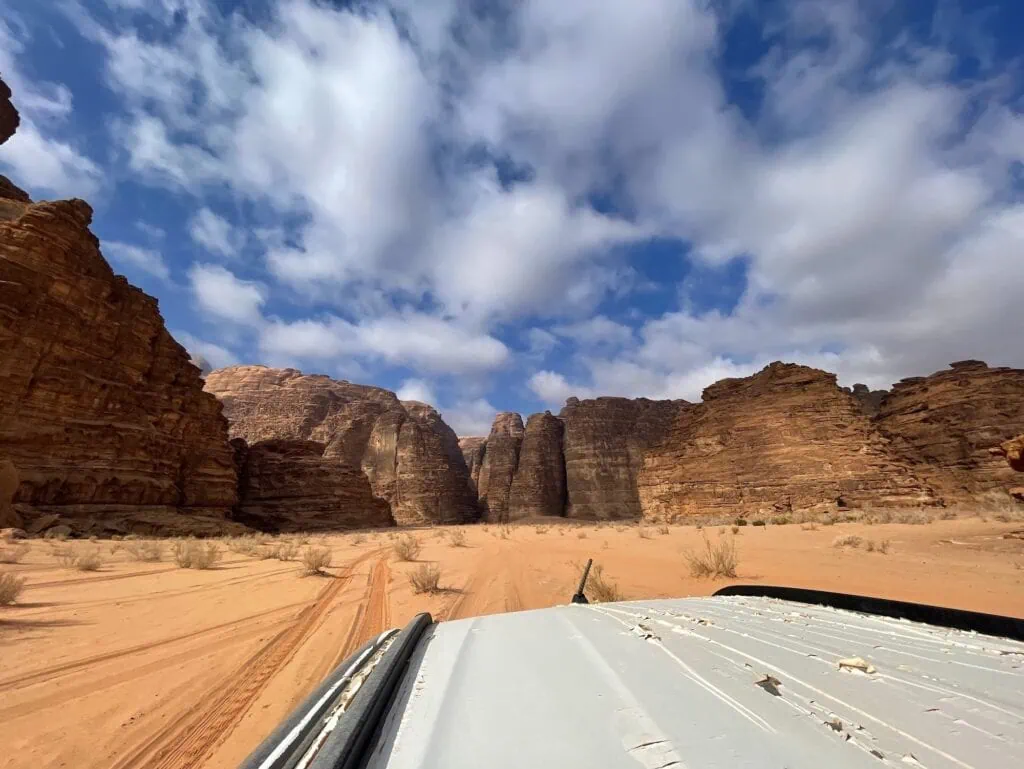
The canyon location places it approximately 45 minutes by 4WD vehicle from Wadi Rum village. Standard passenger cars cannot access the site due to deep sand sections and rocky terrain. We provide modern, air-conditioned 4WD vehicles with experienced Bedouin drivers who know every trail and shortcut in the region.
GPS coordinates (29.591667, 35.443333) mark the main canyon entrance, though several access points exist for different activity preferences. Professional guides prove essential for technical climbing routes and archaeological site interpretation. Our certified guides hold advanced wilderness first aid certifications and maintain radio communication with base operations throughout all expeditions.
Water requirements increase dramatically in desert environments. We recommend minimum 3 liters per person for day trips, with additional supplies for overnight adventures. High-SPF sunscreen, wide-brimmed hats, and lightweight long-sleeve clothing provide essential protection against intense desert sun.
Multi-day expeditions require camping permits through the Wadi Rum Protected Area administration. Our team handles all necessary documentation and provides complete camping equipment designed for desert conditions. Professional expedition services include meal preparation, tent setup, and safety briefings that ensure comfortable, secure overnight experiences.
Wildlife and Natural Environment
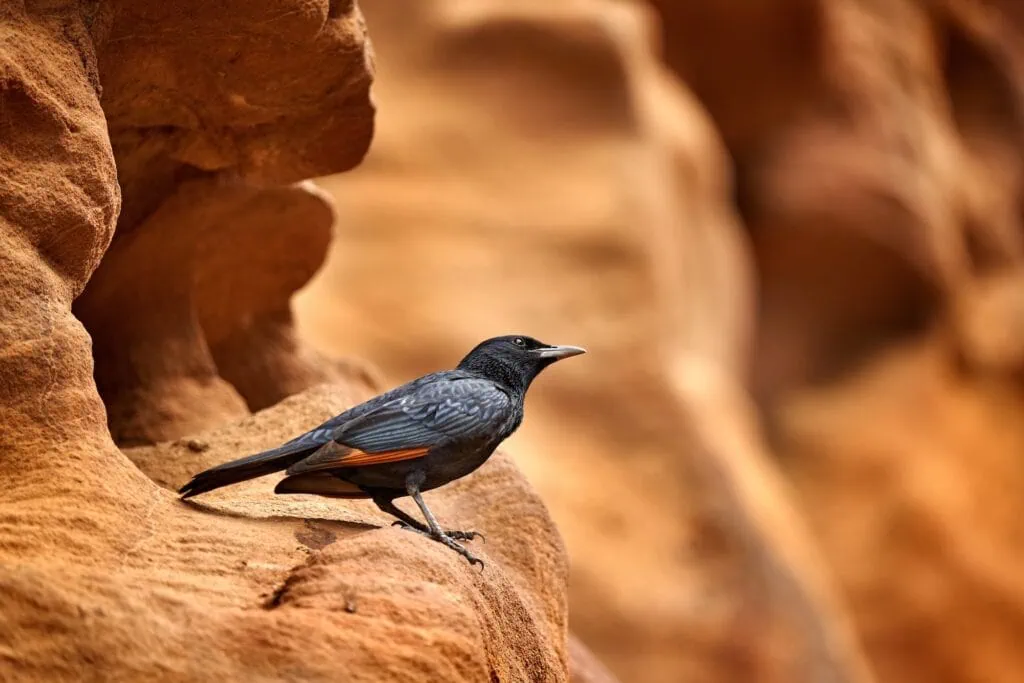
Desert-adapted wildlife thrives throughout the Wadi Umm Ishrin ecosystem despite harsh environmental conditions. Arabian ibex represent the most significant large mammal species, though their shy nature means sightings require patience and luck. These magnificent animals navigate seemingly impossible cliff faces with grace that inspired ancient rock artists.
Smaller wildlife appears more frequently during early morning and evening hours. Desert foxes, various lizard species, and occasionally caracal cats inhabit the canyon environment. Birdwatching enthusiasts spot raptors including golden eagles and various hawk species that use thermal updrafts along canyon walls for effortless soaring.
Plant life demonstrates remarkable adaptation strategies. Desert roses, wild sage, and various succulent species find purchase in canyon crevices where moisture accumulates. These hardy plants provide important ecosystem services, preventing erosion and creating microhabitats for smaller creatures.
The Um Ejil Canyon connection creates wildlife corridors that allow animals to move between different habitat zones. This connectivity proves crucial for species survival in harsh desert environments where resources remain scattered and seasonal.
Responsible wildlife viewing requires maintaining significant distances and avoiding direct approaches. Our guides understand animal behavior patterns and position groups for optimal viewing opportunities while respecting wildlife space requirements. Photography guidelines help visitors capture memorable images without disturbing natural behaviors.
Cultural Heritage and Bedouin Traditions
Bedouin communities maintain deep connections to Wadi Umm Ishrin that span countless generations. Traditional navigation techniques, passed down through oral traditions, allow experienced guides to traverse the canyon system using natural landmarks invisible to untrained eyes. Star patterns, wind directions, and subtle geological markers create a complex navigation system that predates GPS technology by millennia.
Historical accounts describe Wadi Umm Ishrin as a crucial waypoint along ancient trade routes connecting the Arabian Peninsula with Mediterranean markets. Caravans carrying frankincense, spices, and precious stones relied on the reliable water sources and protective canyon walls during dangerous desert crossings.
Modern Bedouin families continue traditional practices including goat herding, handicraft production, and desert survival techniques. Visitors often encounter herders moving their flocks through canyon areas during cooler months. These interactions provide authentic cultural exchanges that enhance understanding of desert life realities.
Traditional Bedouin hospitality extends to modern tourism experiences. Tea ceremonies, storytelling sessions, and traditional music performances create memorable evenings under star-filled skies. Our partner families share recipes, crafting techniques, and oral histories that connect visitors with authentic desert culture.
Contemporary conservation efforts balance tourism development with cultural preservation. Bedouin communities participate directly in guide training, facility management, and environmental protection initiatives. This collaborative approach ensures tourism benefits reach local families while protecting the landscape that defines their heritage.
Climbing Routes and Technical Challenges
The Jebel Um Ishrin massif attracts serious mountaineers from around the globe seeking technical climbing challenges in spectacular desert settings. At 1,753 meters elevation, it ranks as Jordan’s third-highest peak and offers routes ranging from moderate scrambles to highly technical multi-pitch climbs requiring advanced skills.
Route planning proves essential given the remote location and extreme environment. The Crazy Ibex route (Bedan Majnoun) represents the most famous technical challenge, following ancient animal trails up seemingly impossible cliff faces. This demanding ascent typically requires 6-8 hours and includes three distinct technical sections graded at levels 3-5 on international climbing scales.
Professional climbing guides provide essential safety oversight and route knowledge. Our certified mountain guides maintain current first aid certifications and carry comprehensive emergency communication equipment. Safety briefings cover desert-specific hazards including loose rock, extreme temperature variations, and navigation challenges.
Equipment requirements exceed standard climbing needs due to desert conditions. Specialized gear includes sun protection, extra water capacity, and anchor systems designed for sandstone rock characteristics. We provide complete equipment packages or can supplement visitor gear with professional-grade additions.
Weather windows significantly impact climbing safety and enjoyment. Winter months offer optimal conditions, while summer attempts require pre-dawn starts to avoid dangerous afternoon temperatures. Our guides monitor conditions continuously and adjust itineraries to ensure participant safety remains the top priority.
Frequently Asked Questions
The 3-kilometer trek typically requires 2-3 hours including stops for photography and archaeological site viewing.
November through March offers ideal conditions with comfortable daytime temperatures between 15-25°C (59-77°F).
Technical routes like Crazy Ibex require advanced climbing experience and professional guide supervision.
Yes, all overnight camping in the Wadi Rum Protected Area requires advance permits.
The main trail remains accessible for most fitness levels, with camel trekking options for mobility concerns.
Arabian ibex, desert foxes, various lizards, and raptors inhabit the area though sightings require patience.
Family-friendly options include shorter canyon walks and camel rides with minimum age restrictions for technical activities.
Essential items include 3 liters water per person, high-SPF sunscreen, wide-brimmed hats, and lightweight clothing.
The journey requires approximately 45 minutes by 4WD vehicle through desert terrain.
While some inscriptions are visible, professional guides provide translation services and historical context that enhance the experience.
Design Your Custom Tour
Explore Egypt and Jordan your way by selecting only the attractions you want to visit