

The Heritage Museum in Marrakech – A Family Operated Gem
Step inside a preserved 17th-century riad where family treasures tell Morocco’s story.
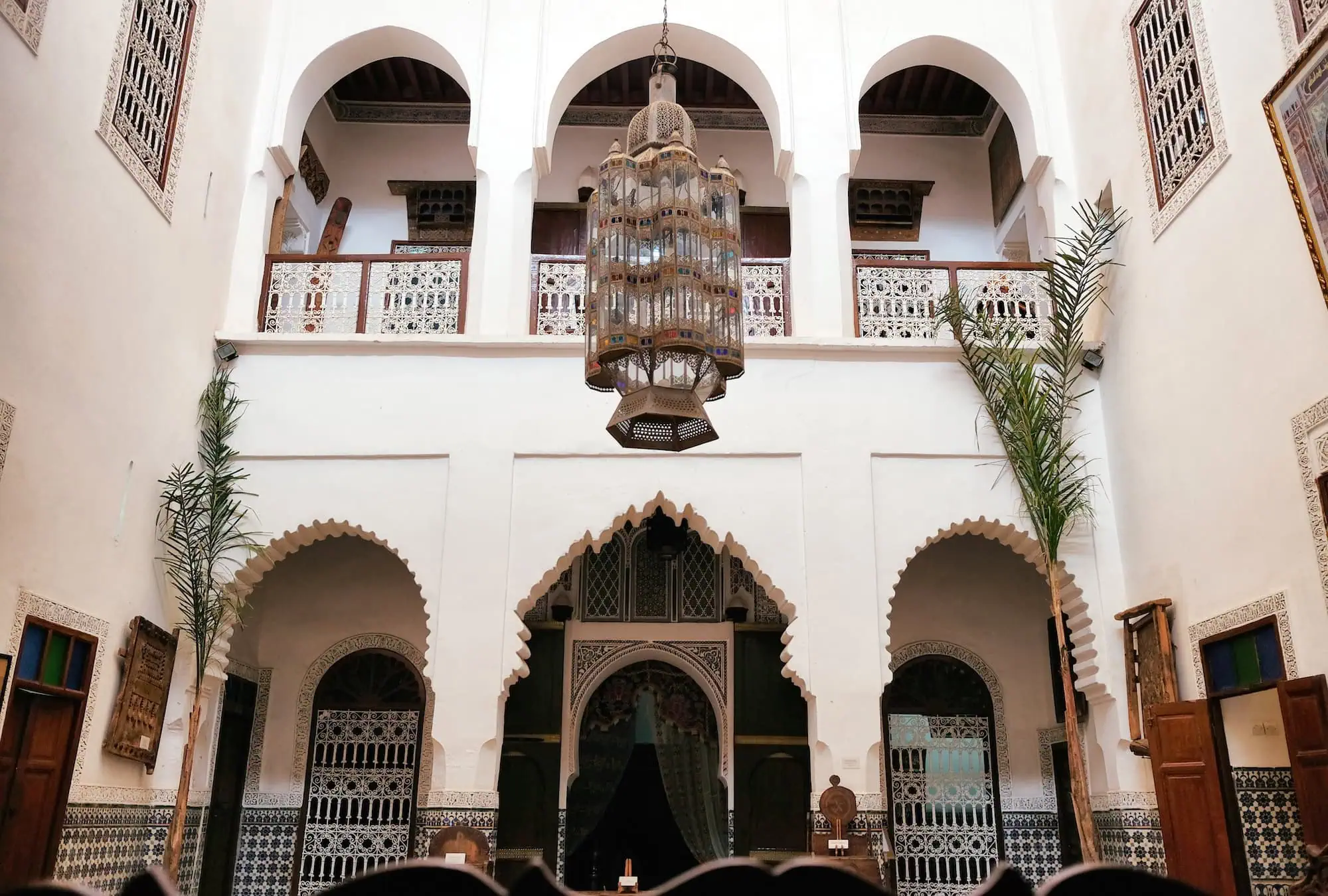
Heritage Museum Marrakech occupies a beautifully restored riad that has witnessed centuries of Moroccan history. The Alouani Bibi family has curated this intimate space, transforming their ancestral home into a cultural haven where visitors can experience authentic Moroccan heritage away from the busy souks.
The Heritage Museum can be included in our Egypt and Morocco tour packages, where Morocco’s local cultural experiences are combined with its historic cities and Egypt’s ancient wonders for a rich and immersive journey.
Located at Zinkat Rahba 25, just steps from Jemaa El Fna, the museum offers a unique perspective on Marrakech’s past. Its collection ranges from Berber jewelry to Roman artifacts, creating a layered narrative of North African history.
What truly sets this museum apart is its personal atmosphere—where family history and passion for preservation bring Morocco’s traditions to life in an intimate and meaningful way.
The Story Behind This Family Legacy
Heritage Museum began as the private collection of Abdellatif Alouani Bibi, whose family has called this medina location home for generations.
A Collector’s Passion
The museum’s founder spent decades gathering artifacts that represent different periods of Moroccan history. His collection includes rare Berber costumes, traditional jewelry, and ceremonial objects that might otherwise have been lost to time. Visitors often comment on the authentic feel of the displays, which reflect a genuine love for preservation rather than commercial tourism.
The family’s commitment to maintaining these treasures has created something truly unique in Marrakech’s museum landscape.
The Historic Riad Setting
This 17th-century building provides the perfect backdrop for the diverse collection. Original architectural details like carved cedar woodwork and traditional tile patterns complement the displayed artifacts beautifully. The riad’s central courtyard creates a natural flow between exhibition rooms, allowing visitors to experience the space as it was meant to be lived in.
Continuing the Mission
Today, family members including Hind Sarmi continue managing the museum with the same dedication to cultural preservation. They personally guide many visitors through the collection, sharing stories and historical context that bring each piece to life. This personal involvement sets Heritage Museum apart from larger, more impersonal cultural institutions in Marrakech.
What You’ll Experience During Your Visit
Walking through Heritage Museum feels like exploring a well-preserved family home filled with treasures collected over decades. The intimate scale means you can examine artifacts closely and appreciate fine details that might be missed in crowded spaces. Each room reveals different aspects of Moroccan cultural history, from domestic life to religious traditions.
The museum’s collection spans several centuries and includes pieces from various regions across Morocco and North Africa. Roman amphoras sit alongside traditional Berber textiles, creating fascinating conversations about trade routes and cultural exchange. Antique minbars demonstrate the craftsmanship of traditional woodworkers, while jewelry collections showcase the artistry of Amazigh (Berber) metalworkers.
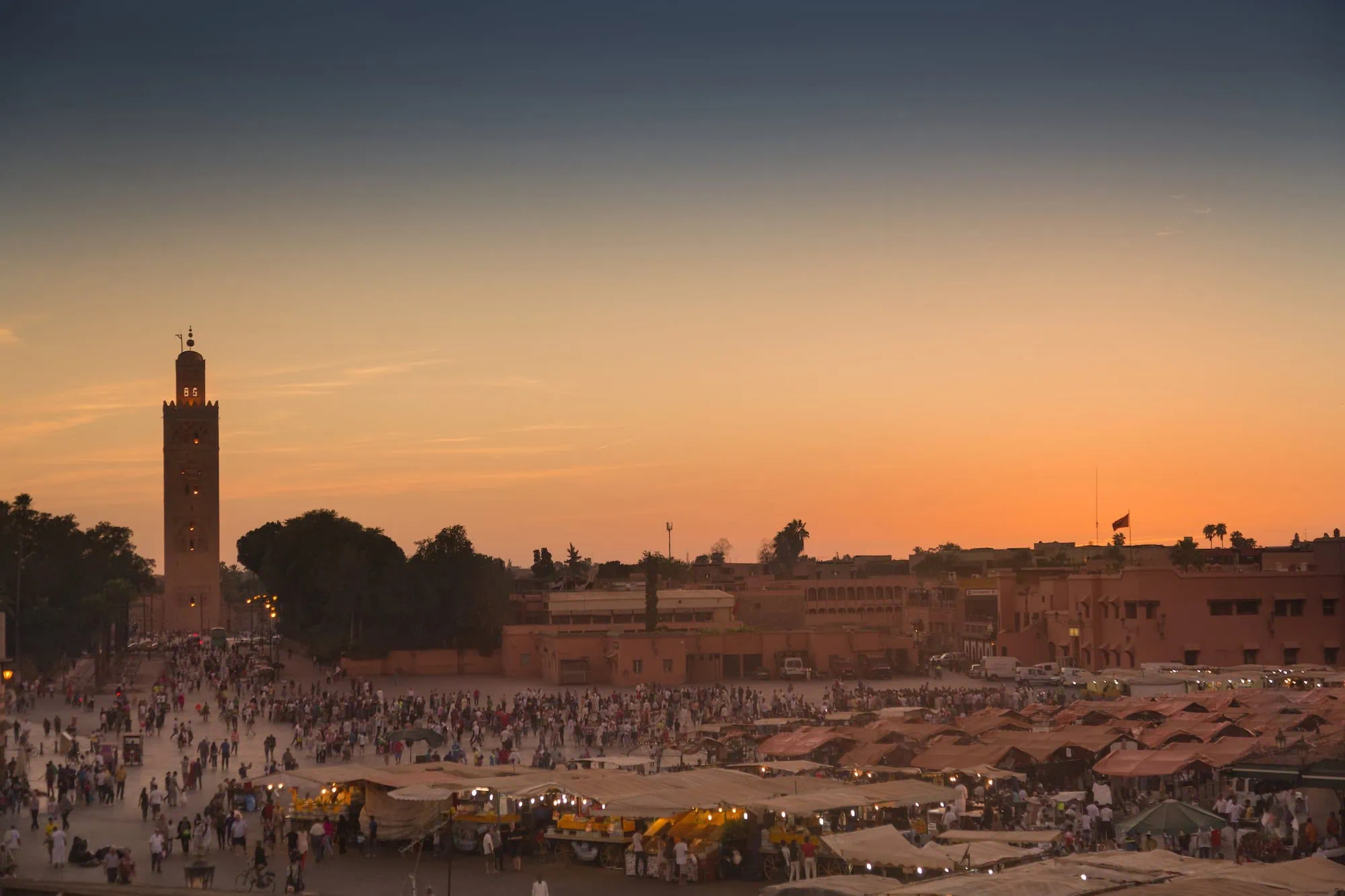
One of the most appreciated features is the rooftop terrace, where visitors can enjoy complimentary mint tea while taking in views of the medina. This quiet space provides a perfect contrast to the energy of the surrounding souks and allows time to reflect on what you’ve seen.
Planning Your Heritage Museum Visit
Location and Access
Finding Heritage Museum requires navigating the narrow alleys of Marrakech’s medina, but the effort is worthwhile. From Jemaa El Fna square, head toward the spice markets and look for Zinkat Rahba street. The museum entrance is clearly marked, though the building maintains the understated appearance typical of traditional riads.
Opening Hours and Admission
The museum typically opens daily from 9:00 am to 6:00 pm, though hours may vary during Ramadan or local holidays. Admission fees are modest, reflecting the family’s commitment to sharing their heritage rather than maximizing profit. It’s always wise to confirm current operating status, as family-run establishments sometimes close for special occasions or maintenance.
What to Expect
Plan to spend 45 minutes to an hour exploring the collection thoroughly. The museum provides information in both English and French, making it accessible to international visitors. Photography is generally permitted in most areas, though it’s courteous to ask before taking pictures in more sacred spaces.
The Cultural Context of Marrakech Heritage
Understanding Heritage Museum requires appreciating its place within Marrakech’s broader cultural landscape. The medina has served as a trading crossroads for centuries, bringing together influences from Sub-Saharan Africa, the Mediterranean, and the Middle East. This museum captures that diversity through artifacts that tell stories of commerce, migration, and cultural synthesis.
The Alouani Bibi family collection demonstrates how ordinary Moroccan families preserved important cultural objects through generations. Many pieces represent daily life rather than royal or religious contexts, offering insights into how regular people lived, worked, and celebrated. Traditional costumes show regional variations in dress, while household items reveal changing technologies and trade relationships.
Religious artifacts in the collection highlight Morocco’s role as a center of Islamic scholarship and artistic production. Carefully preserved manuscripts and ceremonial objects demonstrate the high level of craftsmanship achieved by Moroccan artisans. These pieces complement the museum’s secular objects to create a complete picture of traditional Moroccan society.
Beyond the Museum: Exploring the Neighborhood
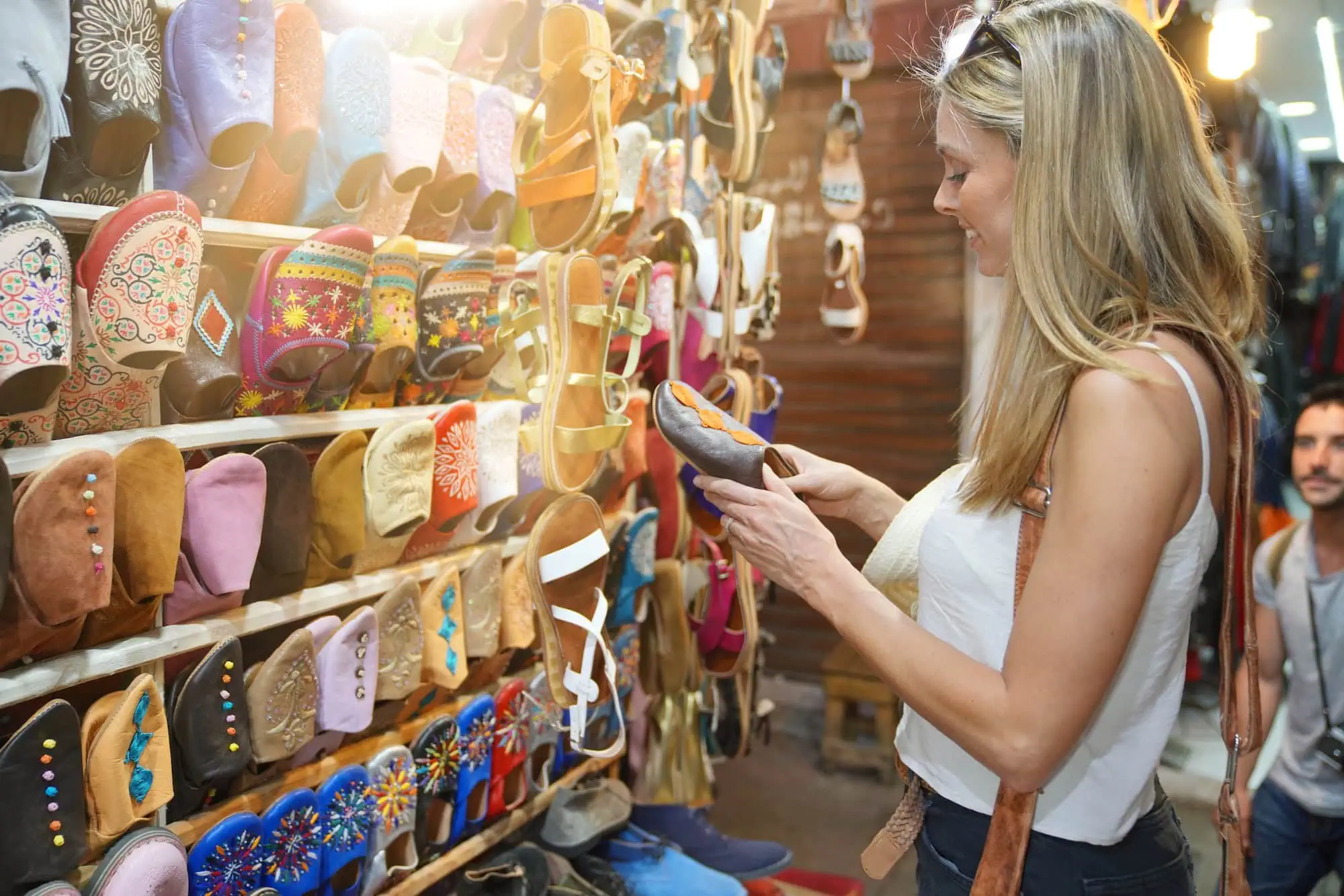
Heritage Museum’s location in the heart of the medina makes it an excellent starting point for further exploration. The surrounding area contains some of Marrakech’s most authentic markets, where traditional craftspeople still work using methods passed down through generations. Small restaurants nearby serve local specialties away from the tourist-focused establishments near Jemaa El Fna.
The nearby Rahba Kedima square hosts a fascinating spice market where vendors sell everything from saffron to traditional cosmetics. This historic trading area provides context for understanding how commerce shaped Moroccan culture over centuries. Walking these streets after visiting the museum creates connections between historical artifacts and living traditions.
Making the Most of Your Cultural Journey
We recommend visiting Heritage Museum during quieter morning hours when you can enjoy more personal attention from the staff. The intimate setting works best with smaller groups, allowing for meaningful conversations about the collection and its significance. Many visitors find that starting their medina exploration at the museum provides helpful cultural context for understanding other sites.
Our experienced guides often include Heritage Museum in customized Marrakech tours, particularly for travelers interested in authentic cultural experiences. The museum pairs well with visits to traditional workshops where you can see craftspeople creating items similar to those in the collection. This combination of historical preservation and living traditions offers a complete picture of Moroccan heritage.
Consider timing your visit to allow for tea on the rooftop terrace, which provides panoramic views over the medina’s distinctive architecture. This peaceful moment often becomes one of the most memorable parts of the museum experience, offering perspective on both the immediate neighborhood and the broader city.
Frequently Asked Questions
It’s family-owned and operated in an authentic 17th-century riad, offering intimate access to genuine Moroccan artifacts with personal storytelling.
Most visitors spend 45 minutes to one hour exploring the collection and enjoying tea on the rooftop terrace.
Yes, the family atmosphere and interactive elements make it engaging for young visitors interested in history and culture.
Photography is generally permitted in most areas, but it’s respectful to ask staff before taking pictures.
Staff members typically speak Arabic, French, and English, making the museum accessible to international visitors.
The traditional riad architecture includes stairs and narrow passages that may challenge visitors with mobility limitations.
Morning hours tend to be quieter, allowing for more personal attention and a peaceful experience.
While Marrakech has several museums, Heritage Museum’s family-operated nature and intimate setting make it unique.
The museum focuses on cultural education rather than retail, though staff can recommend nearby authentic craft shops.
From Jemaa El Fna, head toward the spice markets and look for Zinkat Rahba street – the entrance is clearly marked.
Modest dress is respectful, though the casual family atmosphere doesn’t require formal attire.
Walk-in visits are typically welcome, though confirming hours before your visit is always recommended for family-run establishments.
Design Your Custom Tour
Explore Egypt & Morocco your way by selecting only the attractions you want to visit