

Hurghada Dive Sites
The warm waters of Hurghada hold some of the Red Sea’s most spectacular underwater treasures.
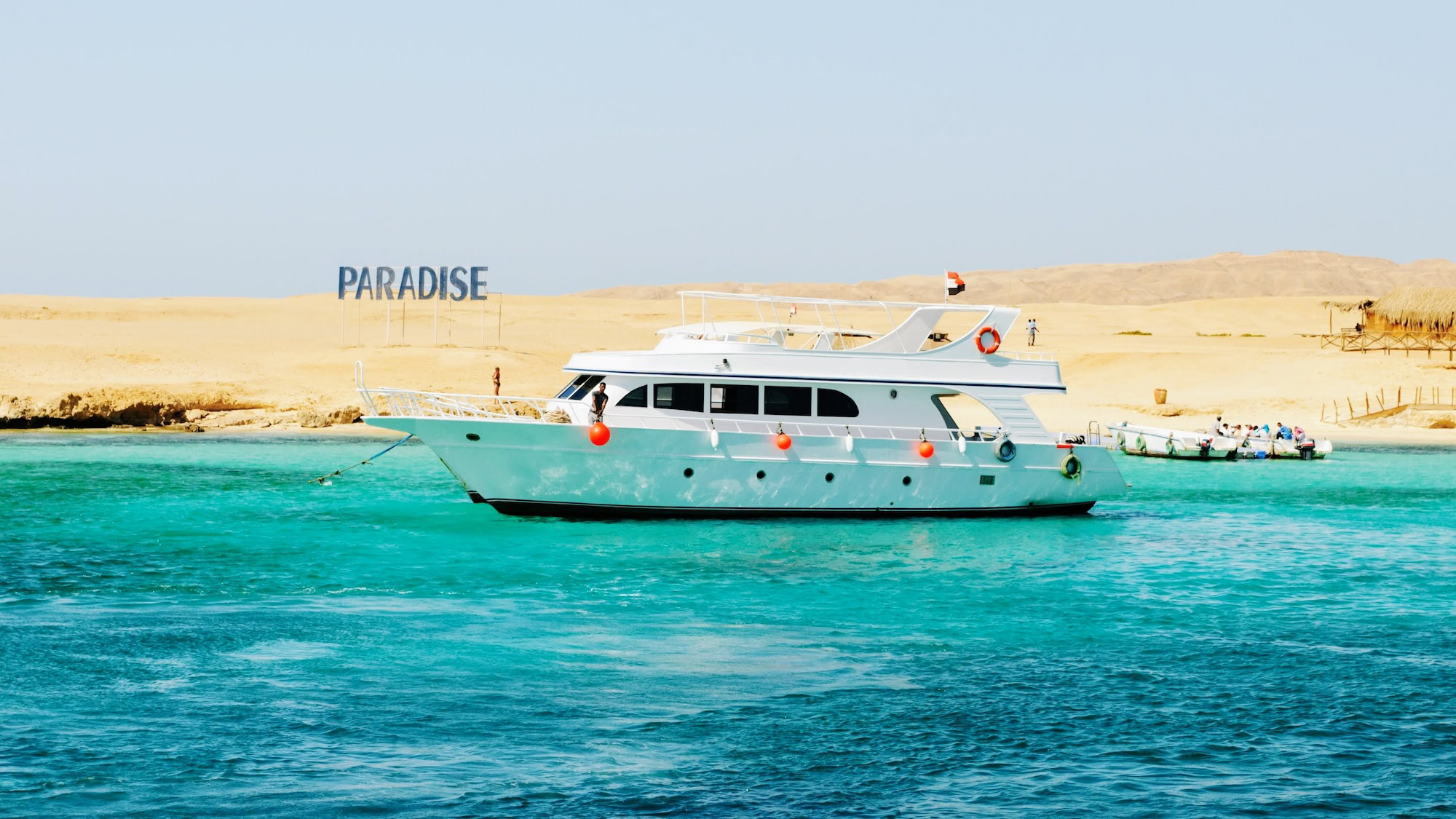
Stretching along Egypt’s eastern coastline, this vibrant resort town serves as the gateway to over 35 world-class diving locations. From shallow coral gardens perfect for beginners to dramatic drop-offs that challenge experienced divers, the marine playground here offers something extraordinary for every skill level. The crystal-clear waters provide visibility often exceeding 30 meters (98 feet), while year-round diving conditions make this destination accessible whenever wanderlust strikes.
Whether you’re planning your first underwater adventure or adding another chapter to your diving logbook, understanding what makes each site unique will help you make the most of your Red Sea experience.
Table of Contents
Northern Reef Systems and Marine Sanctuaries
The protected waters north of Hurghada showcase the Red Sea’s incredible biodiversity at its finest.
Giftun Island National Park
Giftun Island’s protected status has created an underwater paradise where marine life flourishes undisturbed. The western side offers gentle drift dives perfect for underwater photography, with schools of anthias creating living walls of color against the coral backdrop. Visibility here consistently reaches 25-30 meters (82-98 feet), making it ideal for capturing the intricate details of hard coral formations.
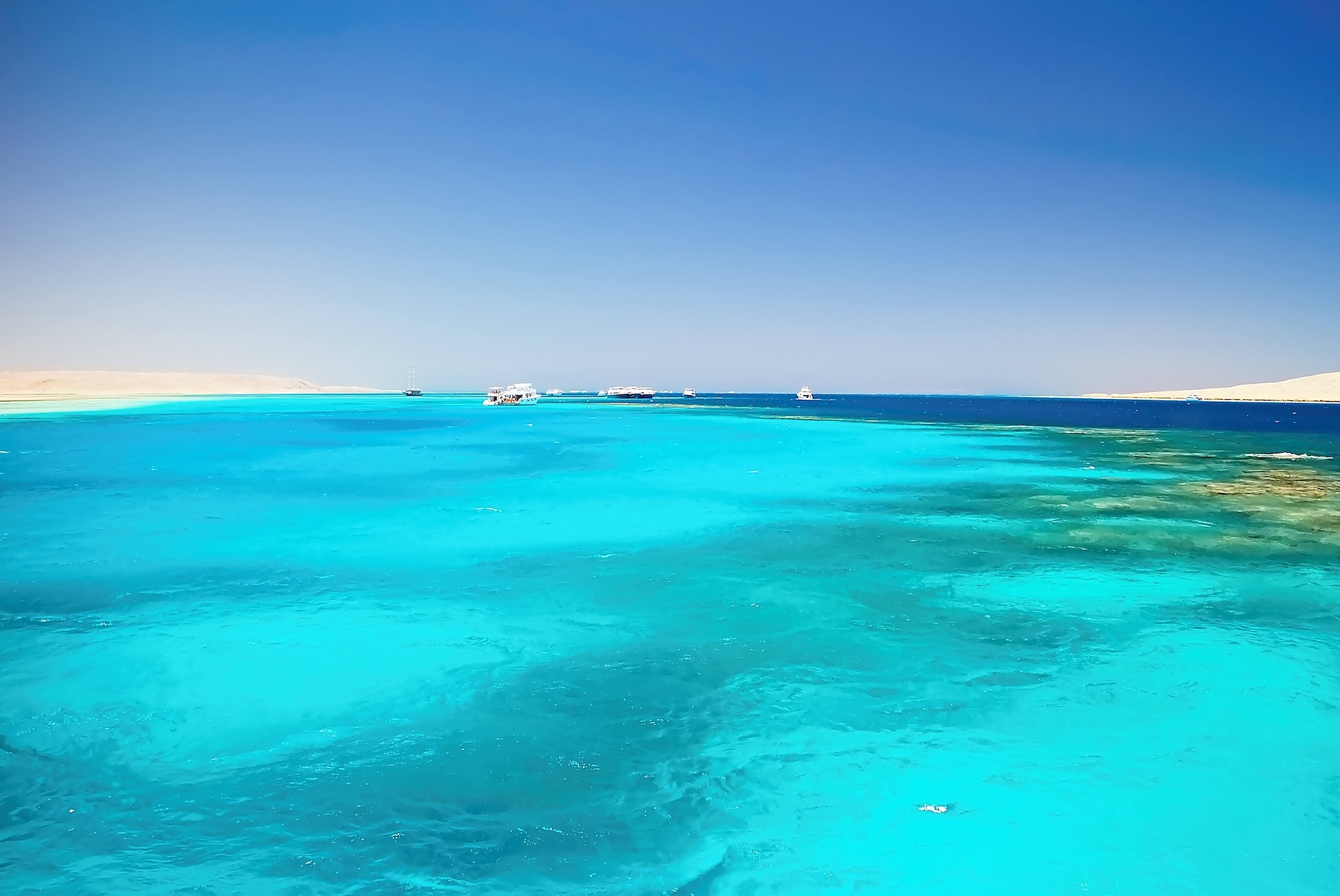
The eastern reefs present more challenging conditions with stronger currents, but reward experienced divers with encounters of larger pelagic species. Napoleon wrasse glide through these waters alongside occasional reef sharks, while the coral formations display some of the most vibrant colors in the entire Red Sea region.
Shaab El Erg Dolphin House
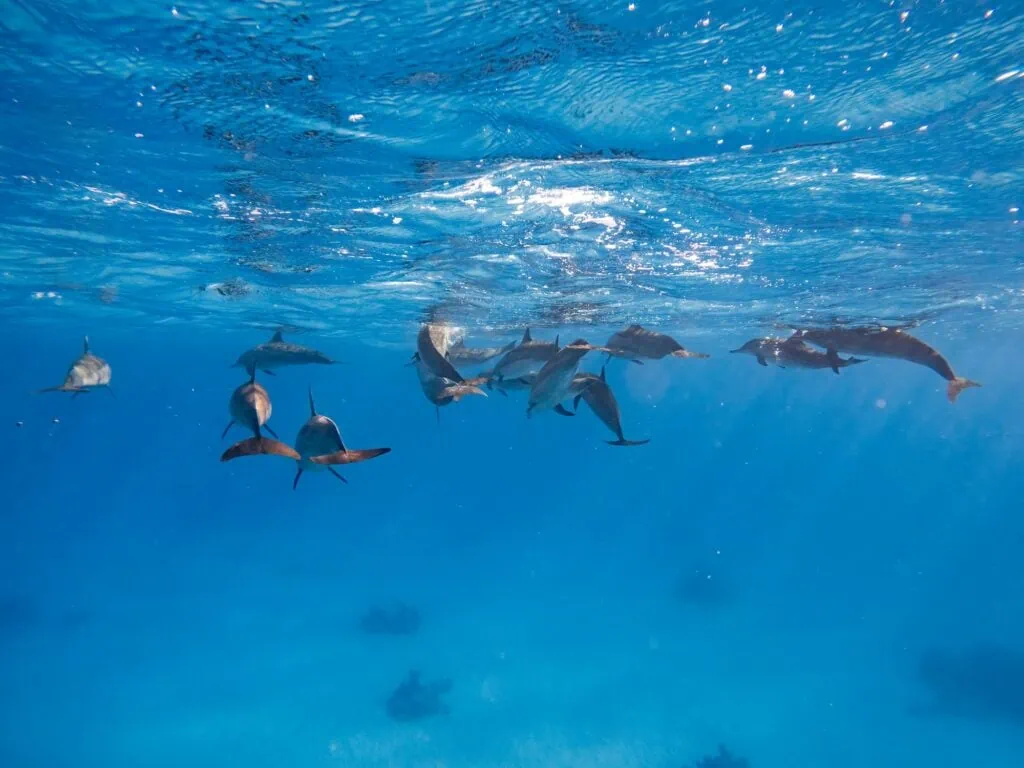
This crescent-shaped reef system earned its nickname through frequent dolphin encounters, though the marine life extends far beyond these charismatic mammals. The lagoon’s shallow areas provide excellent conditions for developing underwater photography skills, while the outer walls drop dramatically into the deep blue.
Current patterns here create perfect feeding conditions for filter-feeding organisms. Soft corals carpet the reef walls in stunning displays of purple, orange, and yellow hues. The site accommodates all experience levels, with maximum depths ranging from 12 meters (39 feet) in the lagoon to over 40 meters (131 feet) on the outer walls.
Abu Ramada South
The southern section of Abu Ramada offers some of Hurghada’s most reliable diving conditions. Protected from northern winds, this site maintains excellent visibility even during periods when other locations become challenging. The reef structure features multiple levels, allowing divers to explore different zones during a single dive.
Macro photography enthusiasts particularly appreciate the abundance of small reef creatures hiding among the coral branches. Moray eels peer from crevices while cleaner stations attract a constant parade of reef fish seeking grooming services.
Legendary Wreck Diving Adventures
Few diving experiences match the thrill of exploring sunken vessels that have become artificial reefs teeming with marine life.
The Abu Nuhas reef, known locally as the “ship graveyard,” hosts four major wrecks that span different eras of Red Sea maritime history. Each vessel tells its own story while providing unique diving opportunities. The Giannis D, a Greek cargo ship that sank in 1983, lies in relatively shallow water making it accessible to intermediate divers. Her holds now shelter schools of glassfish while her superstructure provides attachment points for soft corals.
The Carnatic, dating back to 1869, represents one of the Red Sea’s most historic wrecks. This passenger steamship’s remains spread across the reef in depths ranging from 16-26 meters (52-85 feet). Time has transformed her iron hull into a living reef where anthias swarm in dense clouds. The wreck’s age means much of the original structure has collapsed, creating an interesting underwater topography that differs significantly from more recent wrecks.
Thistlegorm Deep Dive Experience
The SS Thistlegorm stands as perhaps the most famous wreck in the Red Sea, lying at 30 meters (98 feet) on the sandy bottom near Ras Mohammed. This World War II supply vessel sank in 1941 while carrying military supplies to British forces. The cargo holds remain largely intact, containing motorcycles, trucks, and railway cars that provide glimpses into wartime logistics.
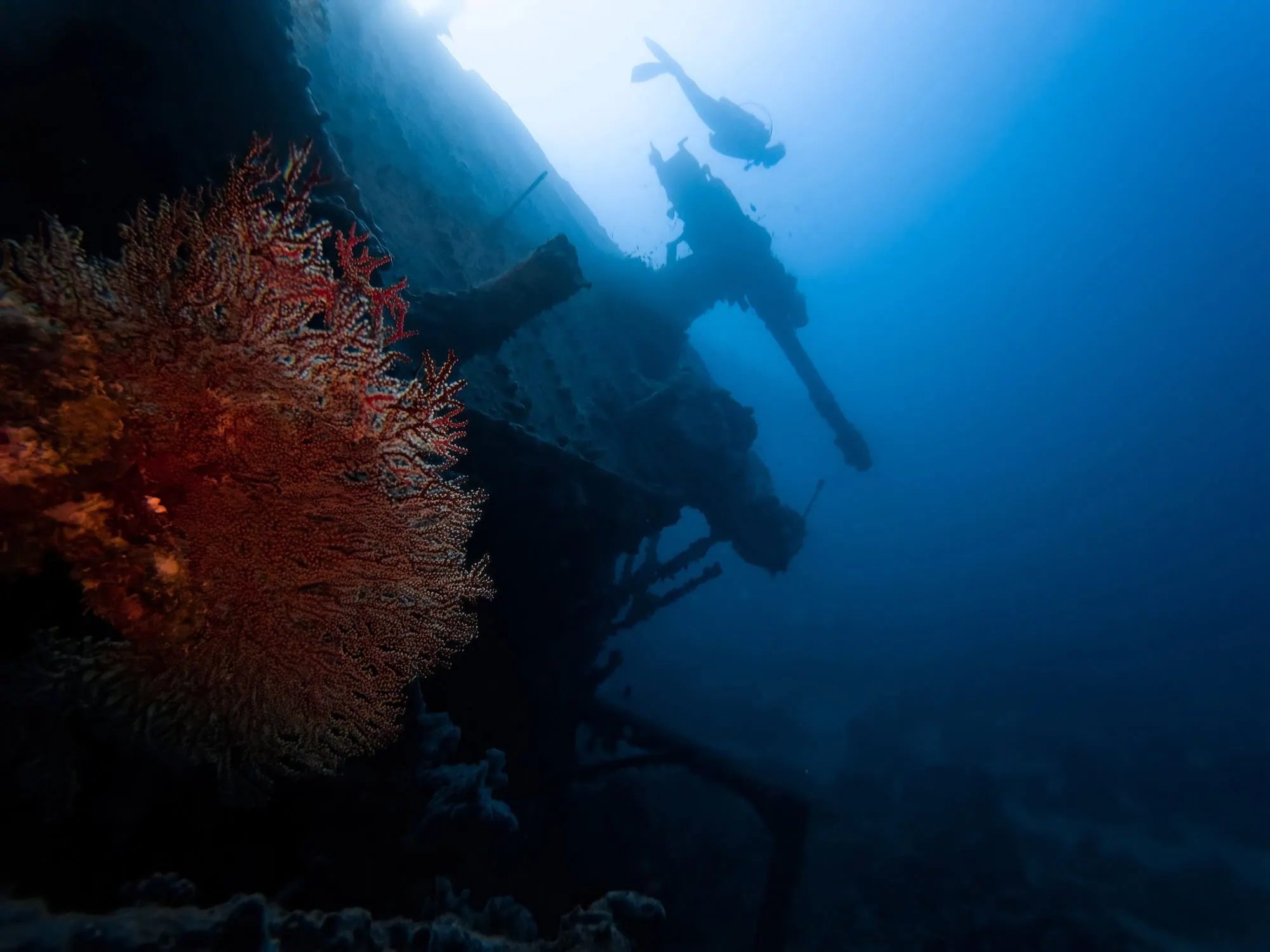
Due to its depth and the strong currents that occasionally sweep the area, the Thistlegorm requires advanced diving skills. The rewards justify the challenges – the wreck’s preservation is remarkable, and the marine life that has colonized the structure includes some impressive specimens. Large groupers patrol the cargo holds while barracuda form silvery tornadoes above the superstructure.
Coral Paradise and Marine Biodiversity Hotspots
The living reefs surrounding Hurghada represent some of the Red Sea’s most pristine coral ecosystems.
Shaab Abu Nuhas extends beyond its famous wrecks to include spectacular coral formations that rival any in the Red Sea. The reef’s eastern side drops into deep water where pelagic species patrol the blue. Hammerhead sharks occasionally cruise these drop-offs, particularly during early morning dives when visibility often exceeds 40 meters (131 feet). The coral diversity here includes both hard and soft species, creating a three-dimensional underwater landscape that changes dramatically with depth and current exposure.
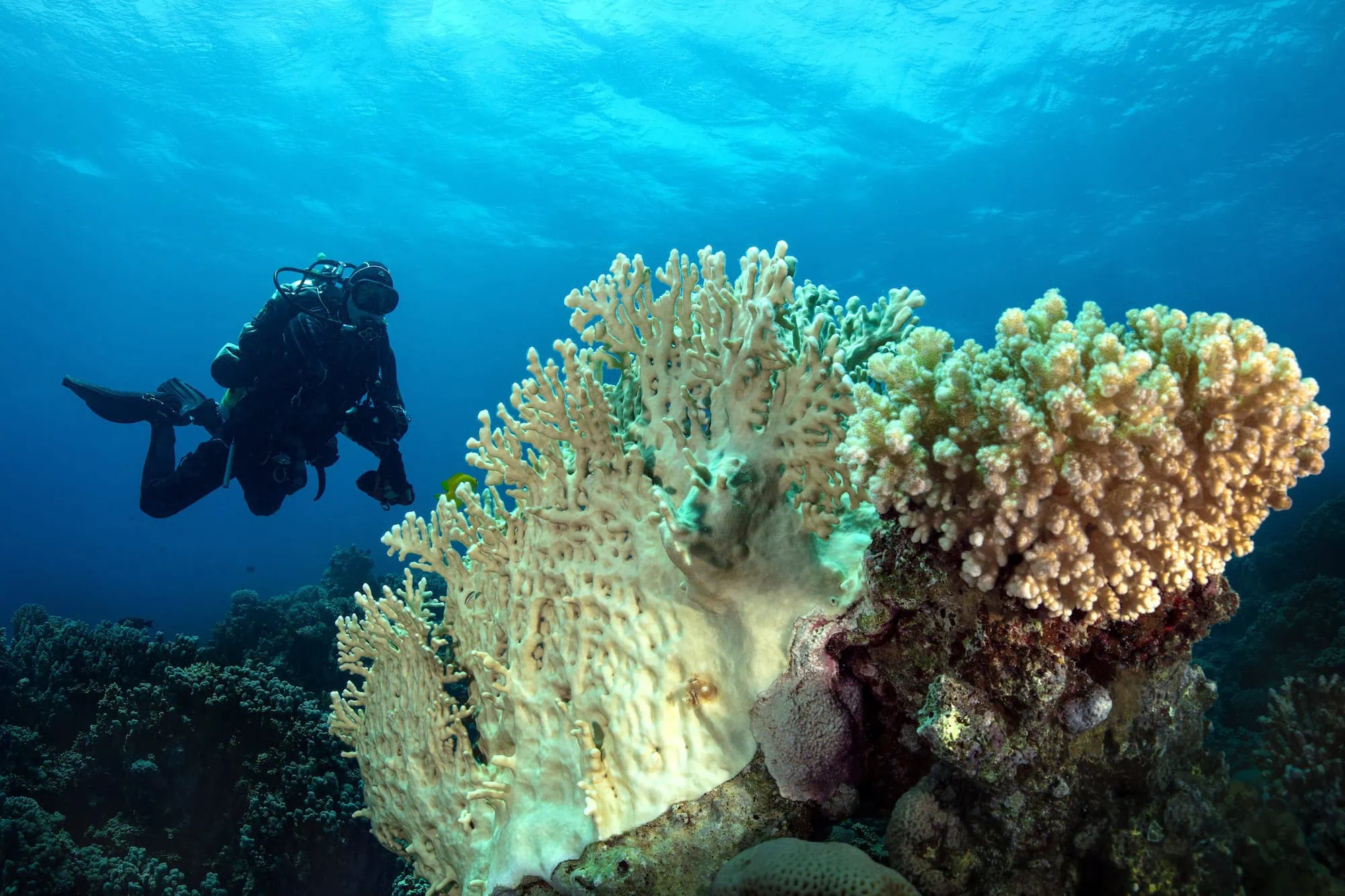
Small Abu Ramada offers intimate diving experiences with exceptional coral health. The site’s compact size means divers can explore multiple zones during a single descent. Brain corals dominate the shallower areas while black corals colonize the deeper sections. The fish populations show remarkable density – single coral heads often host dozens of species simultaneously.
Carless Reef challenges divers with its exposed location and strong currents, but delivers encounters with larger marine species that prefer high-energy environments. Grey reef sharks patrol the reef’s outer edges while eagle rays glide through the blue water beyond the coral walls. The coral formations here show adaptations to strong current flow, with many species growing in distinctive fan-like patterns.
Water temperatures remain comfortable year-round, ranging from 22°C (72°F) in winter months to 28°C (82°F) during summer. These stable conditions support coral spawning events that typically occur during spring months, creating unique diving opportunities for those interested in marine reproduction cycles.
Advanced Deep Water Sites
Beyond the accessible reef systems lie challenging dive sites reserved for experienced divers seeking unique Red Sea encounters.
Elphinstone Reef rises from depths exceeding 200 meters (656 feet), creating a isolated oasis in the open Red Sea. This location’s exposure to oceanic currents brings nutrient-rich waters that support impressive pelagic life. Oceanic whitetip sharks frequent these waters, along with occasional hammerhead schools during seasonal migrations.
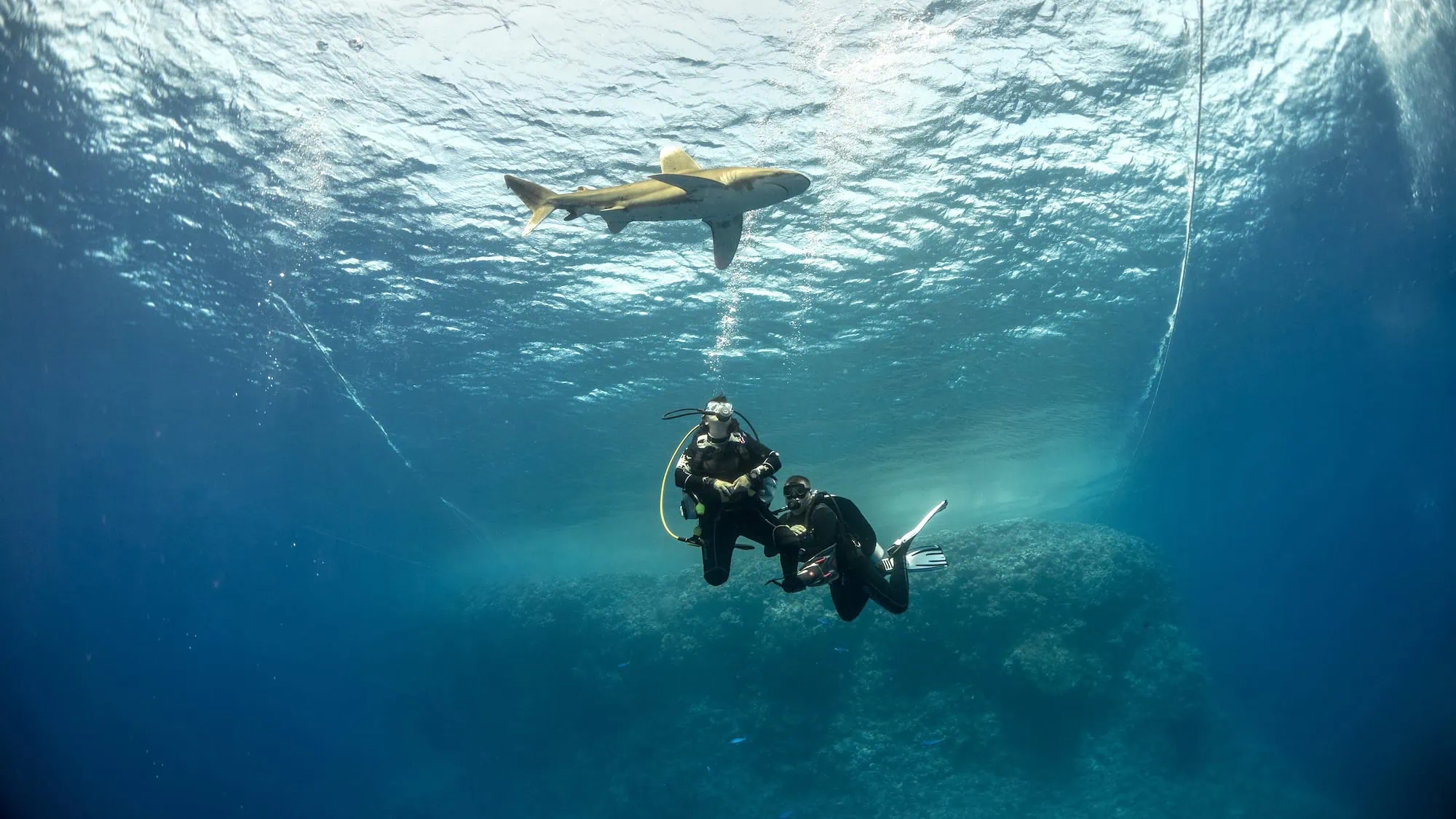
The reef’s coral formations show distinct zonation patterns related to depth and current exposure. Shallow plateaus support dense hard coral gardens while the deeper sections feature soft coral forests swaying in the constant current flow. Visibility often exceeds 50 meters (164 feet), providing dramatic underwater vistas that extend far beyond the reef boundaries.
Current conditions at these sites can change rapidly, requiring careful dive planning and excellent buoyancy control. Water temperatures may drop significantly with depth, making thermal protection essential for comfortable diving. The rewards include encounters with species rarely seen at inshore locations – manta rays, whale sharks, and various shark species use these deep reefs as cleaning stations and feeding areas.
Brother Islands represent the ultimate Red Sea diving challenge, accessible only during favorable weather conditions. These twin peaks rise from abyssal depths, creating unique underwater topography that attracts oceanic species. The northern island features a lighthouse perched dramatically above vertical coral walls that plunge into the abyss.
Seasonal Diving Patterns and Optimal Timing
Understanding seasonal variations helps divers choose the perfect timing for their Red Sea adventures.
Peak Season Conditions
Summer months deliver the calmest sea conditions with minimal wind interference. Water temperatures reach their warmest levels during July and August at 28-30°C (82-86°F), making diving comfortable in minimal thermal protection. Visibility peaks during this period, often exceeding 40 meters (131 feet) at exposed sites.
Marine life activity increases with warmer water temperatures. Coral spawning events typically occur during late spring and early summer, creating unique diving opportunities. Fish aggregations become more pronounced as many species enter their reproductive cycles.
Winter Diving Opportunities
Cooler months bring different rewards for underwater explorers. Water temperatures drop to 22-24°C (72-75°F), requiring additional thermal protection but creating comfortable conditions for longer bottom times. Many divers find the slightly cooler water refreshing, particularly when combined with Egypt’s mild winter air temperatures.
Weather patterns during winter can create stronger surface conditions, but experienced dive operators know which sites remain accessible during different wind directions. Protected locations like Giftun Island’s western reefs maintain excellent conditions regardless of weather patterns.
Marine life behavior shifts during cooler months. Many species show increased activity levels during the slightly cooler water periods. Shark encounters often become more frequent as these animals move into shallower waters seeking optimal temperatures.
Marine Life Encounters and Photography Opportunities
The Red Sea’s marine biodiversity creates countless opportunities for underwater photographers and marine life enthusiasts.
Over 1,200 fish species call these waters home, ranging from tiny gobies hiding in coral crevices to massive Napoleon wrasse that approach curious divers. The reef systems support healthy populations of larger species including grey reef sharks, whitetip sharks, and occasional hammerhead encounters at deeper sites. Manta rays visit cleaning stations during seasonal migrations, creating spectacular encounters for fortunate divers.
Macro photography subjects abound throughout Hurghada’s dive sites. Nudibranch species display incredible diversity and coloration while various crustaceans provide interesting behavioral subjects. Cleaning stations offer excellent opportunities to observe and photograph symbiotic relationships between different marine species.
The coral formations themselves provide stunning photographic subjects. Hard coral gardens create colorful foregrounds while soft coral forests sway gracefully in the currents. Many sites feature dramatic underwater topography including swim-throughs, caves, and dramatic drop-offs that create compelling compositional elements.
Light conditions in the Red Sea favor underwater photography with excellent color retention at moderate depths. The clear water allows natural light penetration to 20-25 meters (66-82 feet), reducing the need for artificial lighting in many situations. Backlighting opportunities abound, particularly during midday dives when the sun angle creates dramatic silhouettes and light beams.
Explore The Best Hurghada Dive Sites In Complete Comfort
From vibrant coral gardens and dramatic drop-offs to legendary Red Sea wrecks, the Hurghada Dive sites offer some of the most rewarding underwater experiences in Egypt. Whether you want to combine world-class diving with a luxury Nile cruise, Cairo’s ancient treasures, or relaxing Red Sea resorts, we can help you build a journey that fits your travel style perfectly.
With our custom Egypt tour planner, you choose your travel dates, dive pace, accommodations, experiences, and route while our Egypt specialists handle the logistics from start to finish. Enjoy a private, tailor-made Egypt vacation designed around adventure, comfort, and seamless travel.
Frequently Asked Questions
The best time to dive in Hurghada is generally from April through October, when Red Sea water temperatures range from about 24°C to 30°C and sea conditions are calmer. Summer months deliver the warmest water and excellent visibility, often exceeding 30 meters at offshore reefs. Winter diving is still possible because air temperatures in Hurghada remain mild, usually around 20°C to 25°C during the day. Divers who prefer fewer boats and cooler conditions often favor March, November, and early December.
Most Hurghada dive sites range between 12 and 30 meters deep, which makes them suitable for Open Water certified divers under PADI or SSI standards. Shallow coral gardens near Giftun Island often begin at just 5 to 8 meters, while popular drift dives and wall sections can extend beyond 25 meters. Depth variation is one reason Hurghada works well for mixed-experience groups. Divers planning repeated dives below 18 meters should monitor nitrogen limits carefully during full-day boat trips.
No, many Hurghada dive sites are beginner-friendly and accommodate everyone from first-time divers to advanced technical divers. Calm reefs such as Abu Ramada and shallow coral gardens around Giftun Island are commonly used for Discover Scuba Diving programs and Open Water training dives. More advanced sites include deep walls, drift dives, and wreck penetrations that may exceed 30 meters. Choosing sites based on certification level is important because Red Sea currents can strengthen quickly in exposed offshore areas.
Divers in Hurghada regularly encounter hard and soft coral formations, clownfish, lionfish, moray eels, blue-spotted rays, reef sharks, and pods of dolphins in the Red Sea. The region sits within one of the world’s most biodiverse marine ecosystems, with more than 1,200 recorded fish species in the Red Sea according to marine conservation studies. Sightings vary by season and dive location. Early morning dives often provide the best chance to spot larger pelagic species before boat traffic increases.
Hurghada’s Red Sea water temperatures stay comfortable year-round, typically ranging from about 22°C in winter to 30°C in late summer. Most divers use a 3 mm wetsuit between June and September, while winter diving from December through February often requires a 5 mm wetsuit or layered thermal protection. Air temperatures also remain relatively warm throughout the year compared with Mediterranean dive destinations. This consistent climate is one reason Hurghada supports diving tourism across all 12 months.
Visibility at Hurghada dive sites usually ranges from 20 to 40 meters, with exceptional days exceeding 50 meters at offshore reefs and wreck sites. The Red Sea’s low rainfall and limited river sediment contribute to unusually clear water compared with many tropical diving destinations. Visibility can decrease slightly during windy periods or heavy boat traffic near marinas. Divers seeking the clearest conditions often prefer early morning departures and outer reef locations farther from the coastline.
Yes, Hurghada provides access to several famous Red Sea wrecks, including the Giannis D, Carnatic, Chrisoula K, and other sites in the Abu Nuhas reef system. Most full-day dive excursions reach these wrecks by boat within roughly 2 to 4 hours depending on sea conditions and departure marina. The Carnatic dates back to 1869 and remains one of the Red Sea’s most photographed wreck dives. Conditions can change quickly offshore, so operators sometimes adjust wreck schedules based on weather and currents.
Most beginner-accessible wreck dives near Hurghada require only an Open Water certification, especially for exterior exploration in depths around 18 to 25 meters. More advanced wrecks and penetration dives generally require Advanced Open Water certification because depths can exceed 30 meters and involve enclosed environments. Many dive centers also recommend a specialty wreck-diving course for safety and buoyancy control. Divers without advanced certification can still enjoy many historic wrecks from the outside with a guide.
Yes, Hurghada is home to protected marine areas including Giftun Island National Park, one of Egypt’s oldest marine reserves established in 1986. The protected zone helps preserve coral reefs, sea grass beds, and diverse marine species across the northern Red Sea ecosystem. Entry fees are commonly included in dive excursion pricing because environmental regulations limit activity in sensitive reef areas. Protected status also helps maintain the strong visibility and healthy coral conditions that attract divers from around the world.
Most Hurghada dive sites are reached within 20 to 60 minutes by boat from marinas such as Hurghada Marina and New Marina. Nearby reefs around Giftun Island are often less than 15 km offshore, while more distant wreck sites and northern reefs can require 2-hour crossings in favorable weather. Travel times depend on sea conditions, boat speed, and the day’s itinerary. Divers prone to seasickness should choose closer reef itineraries or take medication before early morning departures.
Design Your Custom Tour
Explore Egypt your way by selecting only the attractions you want to visit