

Jordan Travel Tips for an Unforgettable Adventure
Planning a trip to Jordan without the right preparation is like starting a puzzle with half the pieces missing.
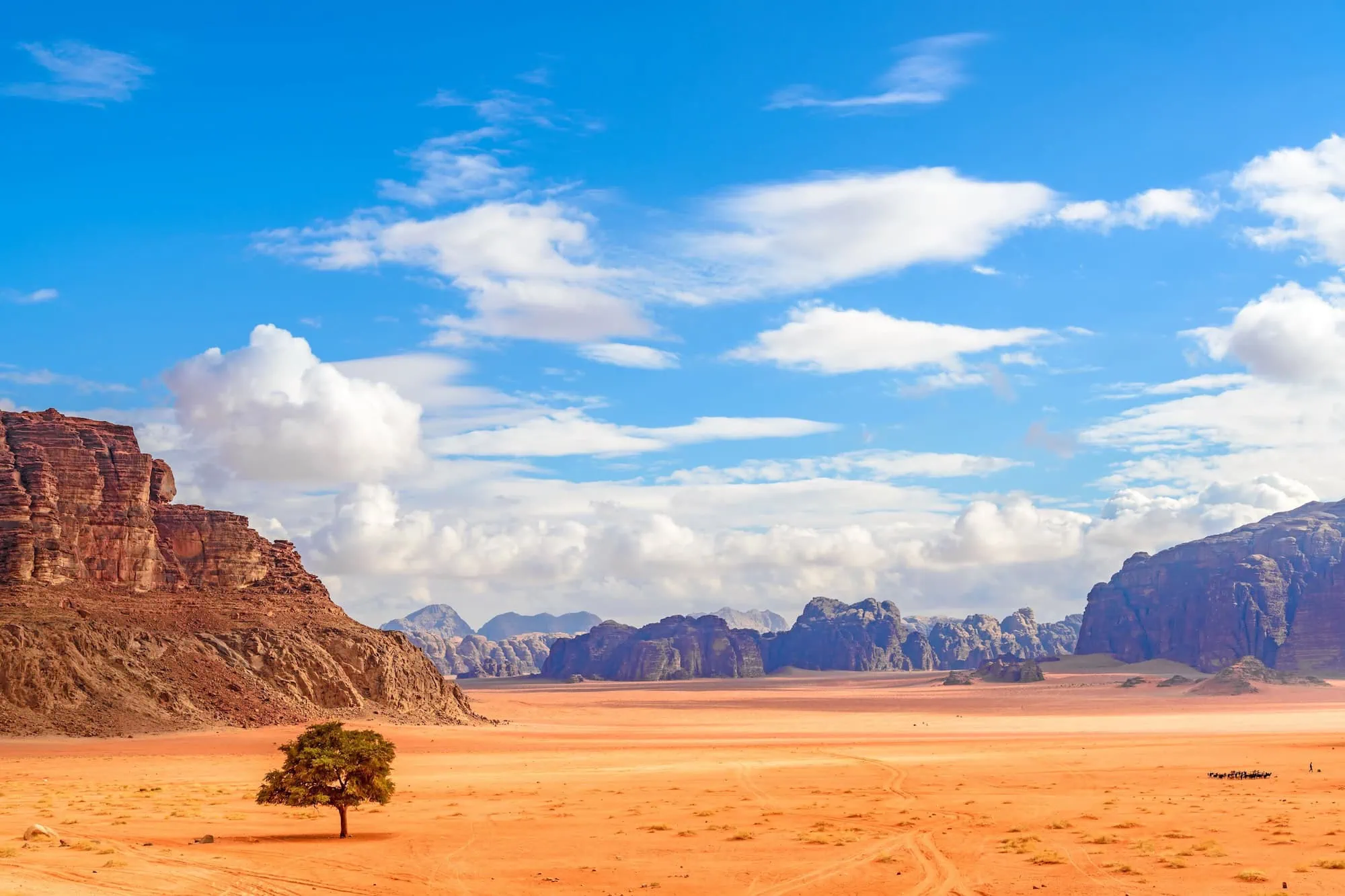
Jordan captivates travelers with its incredible diversity – from the rose-red city of Petra to the otherworldly landscapes of Wadi Rum, the therapeutic waters of the Dead Sea, and the bustling souks of Amman. This remarkable kingdom offers experiences that span millennia, where ancient civilizations left their mark alongside modern Jordanian hospitality. Whether you’re drawn by archaeological wonders, natural beauty, or cultural immersion, Jordan delivers memories that last a lifetime
These seven essential travel tips will transform your Jordan adventure from good to extraordinary. We’ve gathered insights from years of guiding travelers through this magnificent country, ensuring you avoid common pitfalls while maximizing every moment of your journey.
Table of Contents
Essential Entry Requirements and Visa Guidelines
Most travelers can obtain a Jordan Pass online before arrival, which combines your visa fee with entrance to major attractions including Petra. This convenient option costs 70-75 JOD ($99-106 USD) and proves invaluable for multi-site visits. U.S. visitors need a passport valid for at least six months beyond travel dates. Europeans, Canadians, and Australians follow similar requirements, while some nationalities may need advance visa arrangements.
Jordan Pass Benefits and Alternatives
The Jordan Pass saves both time and money when visiting multiple attractions. Beyond covering your single-entry visa, it includes access to over 40 sites throughout the country. For stays shorter than three nights, you can purchase a visa on arrival at Queen Alia International Airport for 40 JOD ($56 USD), though this doesn’t include attraction entries.
Border Crossing Considerations
Land crossings from Israel require different visa procedures and may involve longer processing times. The Allenby/King Hussein Bridge crossing has specific requirements and operates limited hours. Plan extra time for these border crossings, especially during peak travel periods or religious holidays.
Climate Timing and Seasonal Planning
Spring and autumn deliver Jordan’s most comfortable weather conditions. March through May offers mild temperatures averaging 20-25°C (68-77°F), perfect for exploring outdoor sites without extreme heat. October through November provides similar conditions after the intense summer months.
Summer temperatures frequently exceed 35°C (95°F), particularly in lower elevations like the Jordan Valley and Aqaba. These months challenge outdoor activities during midday hours but offer longer daylight for early morning and evening exploration. Many attractions open earlier during summer to accommodate the heat.
Winter brings cooler temperatures and occasional rainfall, especially in northern regions and higher elevations. Petra and Amman can experience temperatures around 10-15°C (50-59°F), requiring layered clothing. Desert areas like Wadi Rum see dramatic temperature drops after sunset, sometimes reaching near freezing.
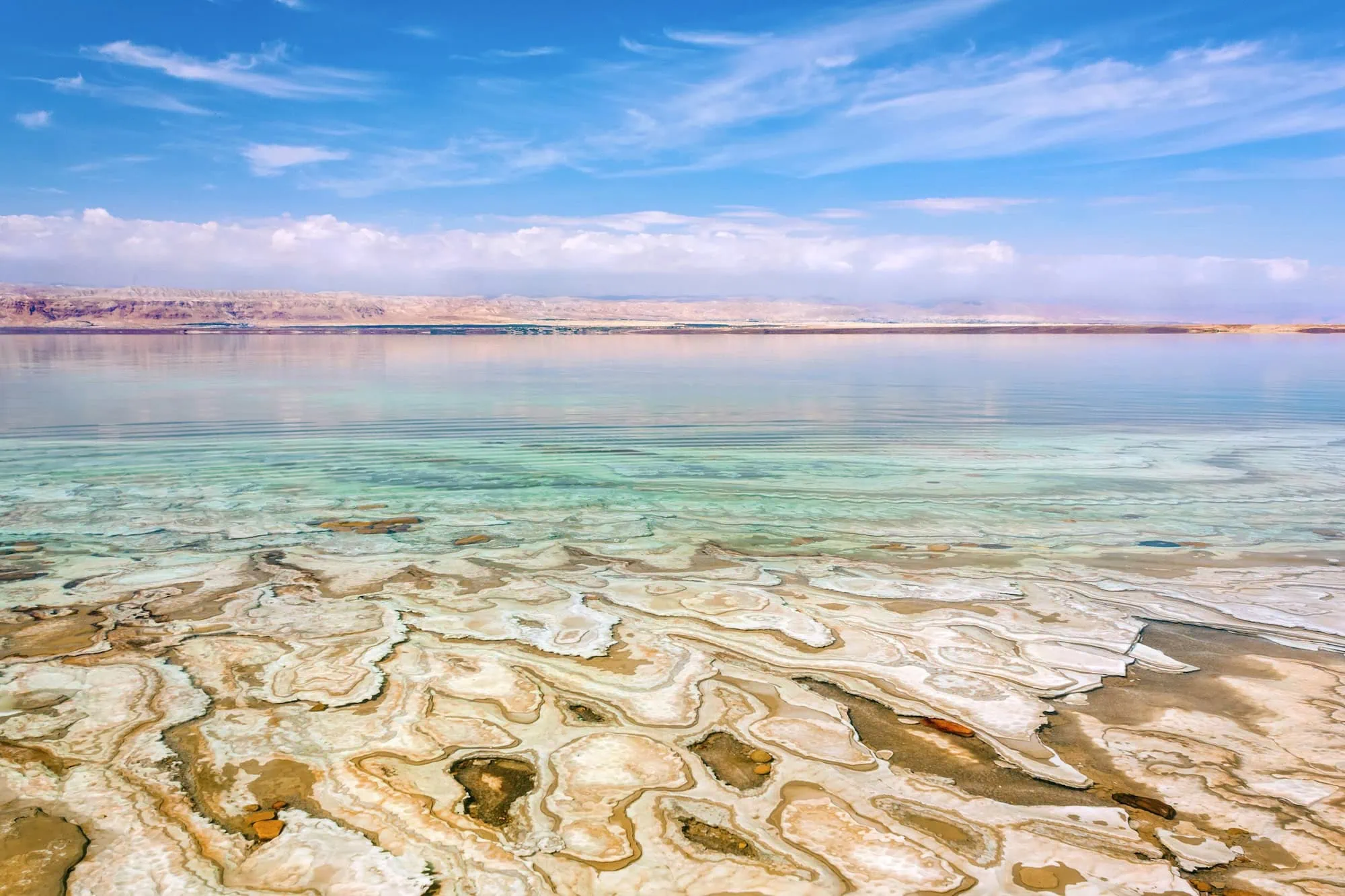
The Dead Sea maintains warmer temperatures year-round due to its location 430 meters (1,411 feet) below sea level. This unique geography creates a microclimate that stays pleasant even during cooler months elsewhere in Jordan.
Budget Planning and Currency Management
Jordan operates on the Jordanian Dinar (JOD), with most establishments accepting major credit cards in tourist areas. ATMs are widely available in cities and tourist destinations, though rural areas may have limited access. Carry cash for small vendors, local transportation, and gratuities.
Daily Budget Expectations
Budget travelers can manage on 30-40 JOD ($42-56 USD) daily, covering basic accommodation, local meals, and public transport. Mid-range travelers should budget 60-80 JOD ($85-113 USD) for comfortable hotels, restaurant dining, and private transport options. Luxury experiences start around 120 JOD ($170 USD) daily.
Money-Saving Strategies
Local restaurants and street food vendors offer authentic meals at fraction of tourist restaurant prices. Public buses and shared taxis provide economical transport between cities. Booking accommodation outside peak tourist areas often yields better rates while maintaining quality.
Tipping Culture
Service staff typically expect 10-15% gratuity at restaurants and hotels. Taxi drivers appreciate rounding up fares, while tour guides and drivers for day trips customarily receive 5-10 JOD depending on service quality and group size.
Transportation Networks and Getting Around
Jordan’s compact size makes travel between major destinations manageable, with most journeys taking 2-4 hours by road. Rental cars provide maximum flexibility, though urban areas like Amman can challenge unfamiliar drivers. International driving permits are required alongside your home country license.
Public transport connects major cities efficiently and economically. The modern bus system links Amman with Petra, Aqaba, and other destinations. JETT buses offer air-conditioned comfort between popular routes, while local buses provide budget-friendly options with more frequent stops.

Private drivers and organized tours eliminate navigation concerns while providing local insights. Many travelers find this option worthwhile for multi-day itineraries, especially when visiting remote locations like Wadi Rum or eastern desert castles. Costs vary significantly based on vehicle type, duration, and included services.
Internal flights operate between Amman and Aqaba, saving time for travelers with limited schedules. Royal Jordanian operates this route regularly, though ground transport often proves more convenient given airport processing times.
Accommodation Strategies Across Regions
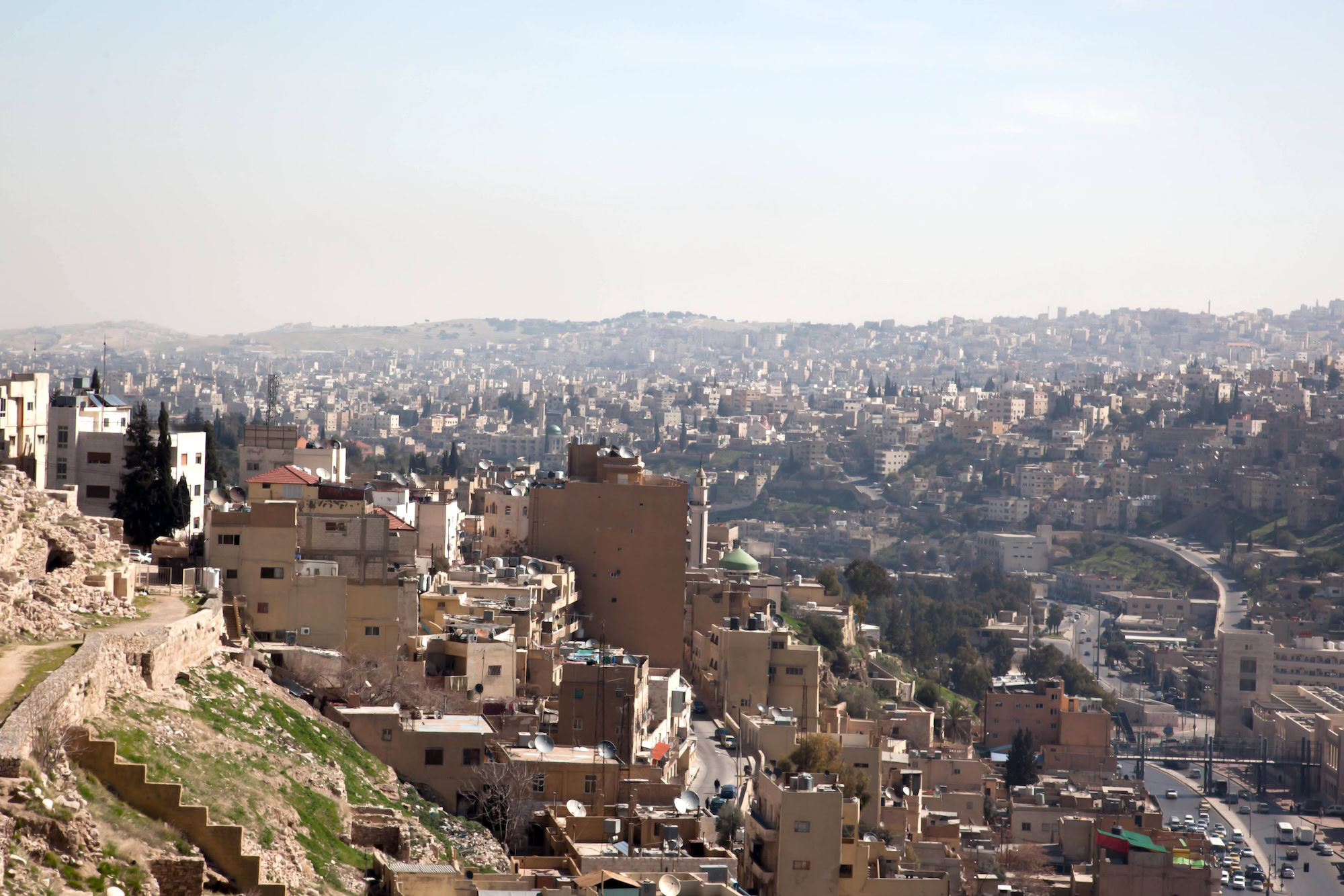
Amman offers the widest accommodation range, from budget hostels in the downtown area to luxury hotels in upscale neighborhoods like Abdoun and Sweifieh. The city center provides walking access to major sites and restaurants, while newer districts offer modern amenities and shopping.
Petra Area Lodging
Wadi Musa, the town adjacent to Petra, hosts most visitor accommodations. Hotels range from simple guesthouses to international luxury brands. Staying closer to the Petra entrance reduces morning commute time, particularly valuable for sunrise visits or full-day exploration.
Desert Experiences in Wadi Rum
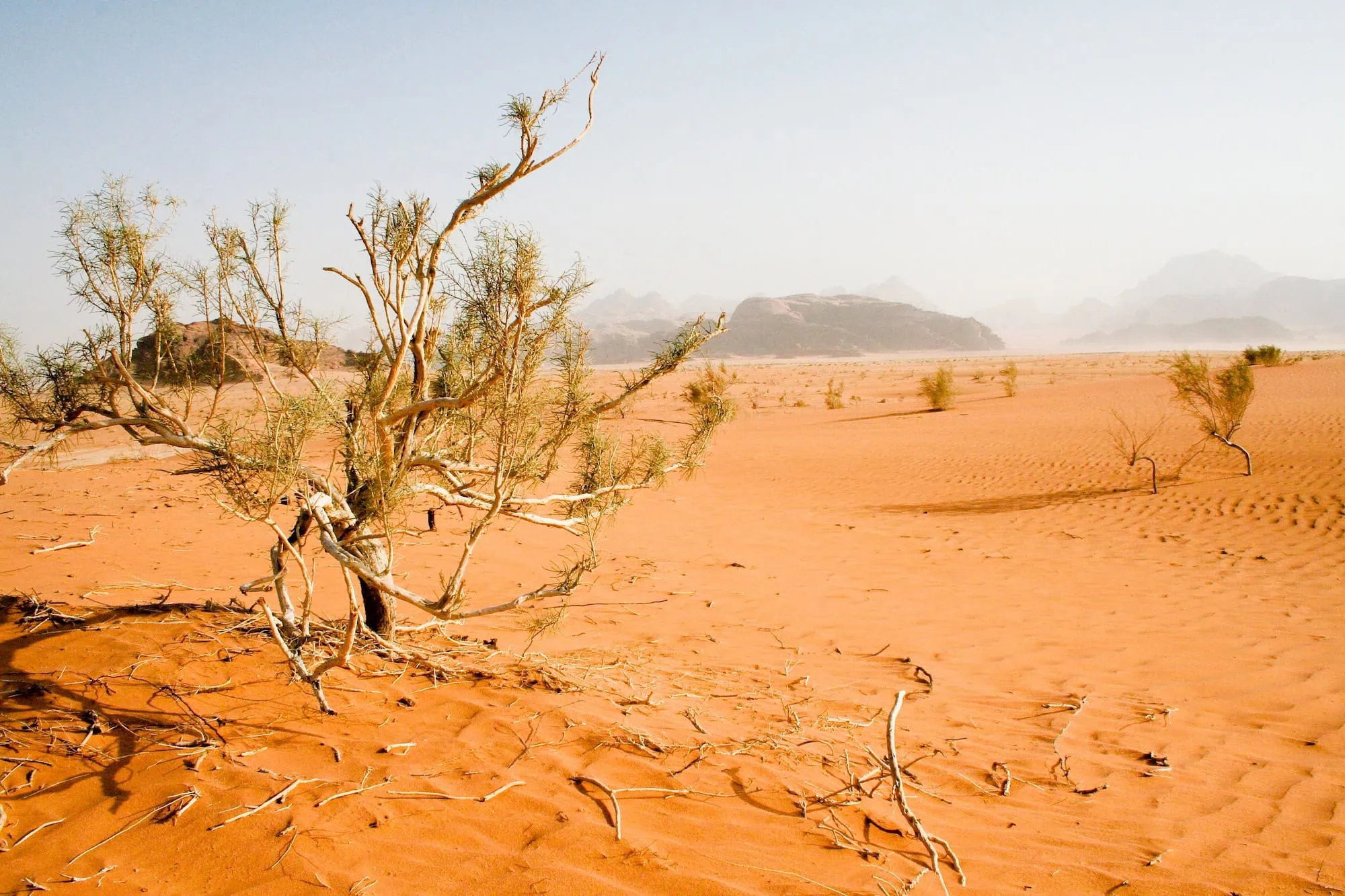
Traditional Bedouin camps offer authentic desert experiences under starlit skies. Accommodations range from basic shared facilities to luxury desert camps with private bathrooms and gourmet dining. Book camps that include evening activities like camel rides, traditional music, and local storytelling.
Dead Sea Resorts
Major resort hotels dominate the Dead Sea coastline, offering spa services, private beach access, and therapeutic facilities. Day passes are available for non-guests wanting to experience the mineral-rich waters and mud treatments. Most resorts include multiple dining options and wellness programs.
Regional guesthouses and eco-lodges provide intimate experiences in smaller towns like Dana and Ajloun. These properties often emphasize environmental sustainability and cultural connection, offering guided nature walks and local cuisine experiences.
Cultural Etiquette and Local Customs
Jordanians are renowned for their hospitality and welcome visitors warmly. Learning basic Arabic greetings like “Ahlan wa sahlan” (welcome) and “Shukran” (thank you) demonstrates respect and often leads to meaningful interactions.
Dress conservatively throughout Jordan, particularly when visiting religious sites or rural areas. Long pants and covered shoulders are appropriate for both men and women. Mosques require additional covering, and some provide robes at entrances for visitors.
Friday prayers hold special significance in Islamic culture. Some shops and restaurants may close during prayer times, typically lasting 30-45 minutes. Plan accordingly, especially in smaller towns where fewer establishments remain open.
Ramadan affects daily rhythms significantly, with many restaurants closed during daylight hours and adjusted opening times for attractions. Evening iftar meals become social celebrations, and travelers often receive invitations to join local families.
Bargaining is expected in souks and local markets but not in fixed-price stores or restaurants. Start negotiations at roughly half the asking price and work toward a mutually acceptable amount. The process should remain friendly and respectful.
Must-Visit Sites and Hidden Gems
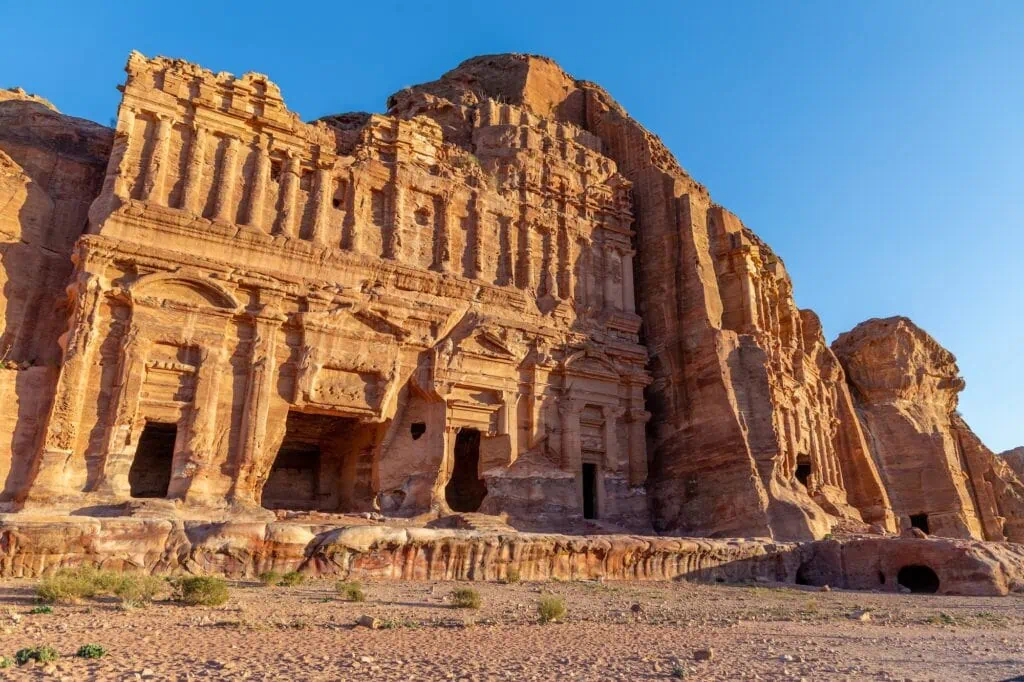
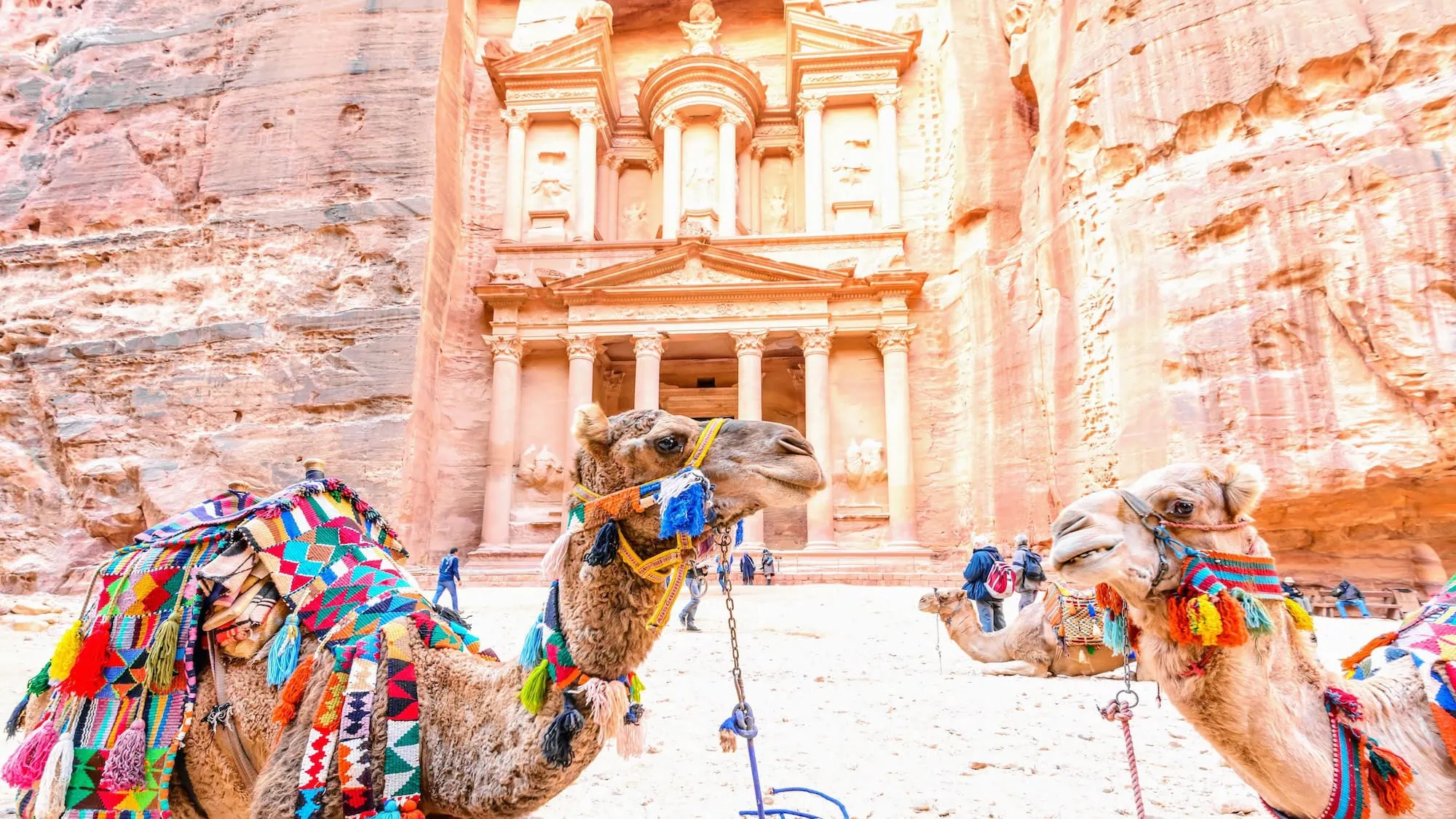
Petra stands as Jordan’s crown jewel, requiring at least two full days to appreciate properly. The ancient Nabataean city reveals new wonders around every corner, from the iconic Treasury facade to the challenging climb to the Monastery. Early morning visits offer cooler temperatures and better photography lighting.
Wadi Rum’s protected desert landscape showcases dramatic sandstone mountains, narrow canyons, and prehistoric rock art. Jeep tours, camel treks, and rock climbing provide different perspectives on this UNESCO World Heritage site. Overnight camping allows for spectacular stargazing in one of the world’s darkest skies.
The Dead Sea creates unique floating experiences impossible anywhere else on Earth. The mineral-rich waters and therapeutic mud provide natural spa treatments. Bring water for rinsing salt from eyes and old clothing that can handle the mineral staining.
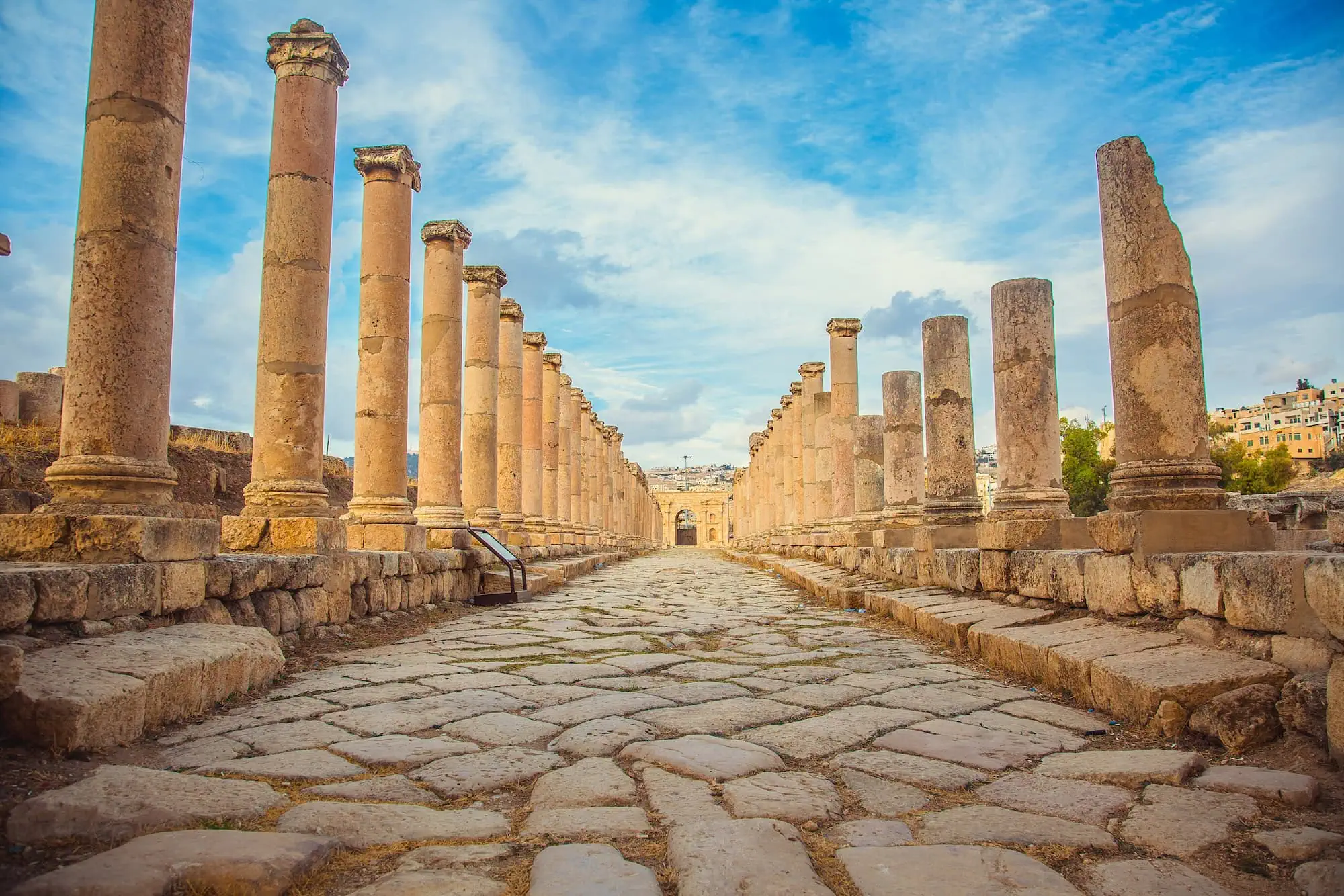
Jerash preserves one of the world’s best-preserved Roman provincial cities. The ancient theaters, temples, and colonnaded streets transport visitors to imperial Rome. The site requires 3-4 hours for thorough exploration, with guided tours providing historical context.
Lesser-Known Treasures
Dana Biosphere Reserve offers eco-tourism opportunities with hiking trails through diverse ecosystems. The reserve protects endangered species and provides sustainable tourism income for local communities. Accommodation options include eco-lodges and traditional village stays.
The eastern desert castles showcase early Islamic architecture and desert engineering. Qasr Amra features unique frescoes, while Azraq Castle served Lawrence of Arabia during the Arab Revolt. These sites work well as day trips from Amman.
Ajloun Castle commands strategic views over the Jordan Valley while telling stories of Crusader-era conflicts. The forested surroundings provide pleasant hiking opportunities and cooler temperatures during summer months.
Um Qais combines Greco-Roman ruins with panoramic views across the Sea of Galilee and Golan Heights. The less-visited site offers peaceful exploration opportunities and excellent photographic perspectives.
Frequently Asked Questions
March-May and October-November offer ideal weather conditions with mild temperatures perfect for outdoor activities and sightseeing.
Most visitors can purchase a Jordan Pass online or obtain a visa on arrival. U.S., European, and many other passport holders qualify.
Jordan maintains excellent safety records and welcomes millions of visitors annually with extremely rare serious incidents involving tourists.
Seven to ten days allows time for major sites including Petra, Wadi Rum, Dead Sea, and Amman, plus one hidden gem destination.
Comfortable walking shoes, sun protection, modest clothing, layers for temperature changes, and any prescription medications you require.
Bottled water is recommended for visitors. Most hotels and restaurants use filtered water for cooking and ice preparation.
Local restaurants serve meals for 5-8 JOD ($7-11 USD), while tourist restaurants charge 15-25 JOD ($21-35 USD) for dinner.
English is widely spoken in tourist areas, hotels, and restaurants with many road signs including English translations.
Jordan uses the Jordanian Dinar (JOD). Credit cards are accepted at most hotels and restaurants.
Yes, cover shoulders and legs when visiting mosques or religious sites. Many provide covering robes at entrances.
While possible, Petra deserves at least two full days covering 264 square kilometers with numerous trails and monuments.
Jordan combines UNESCO World Heritage sites, diverse landscapes, exceptional safety record, and genuine hospitality in a compact, easily navigable country.
Design Your Custom Tour
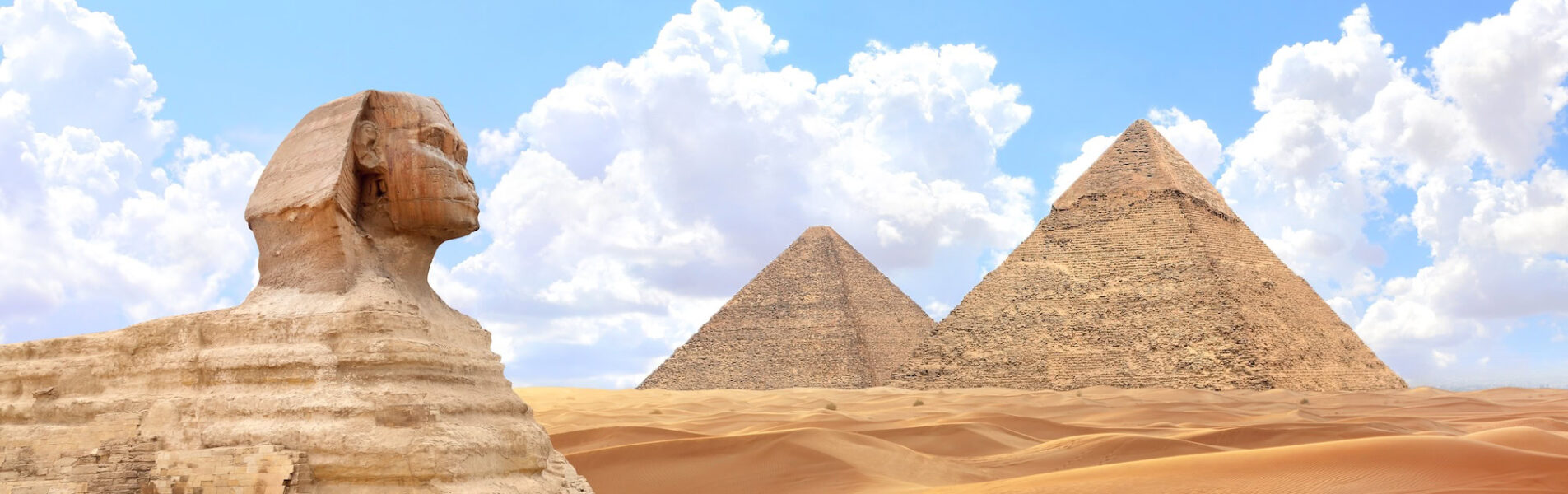
Explore Egypt and Jordan your way by selecting only the attractions you want to visit