

What is the Best Time to Visit Jordan?
Jordan awaits with year-round appeal, but timing your visit makes all the difference.
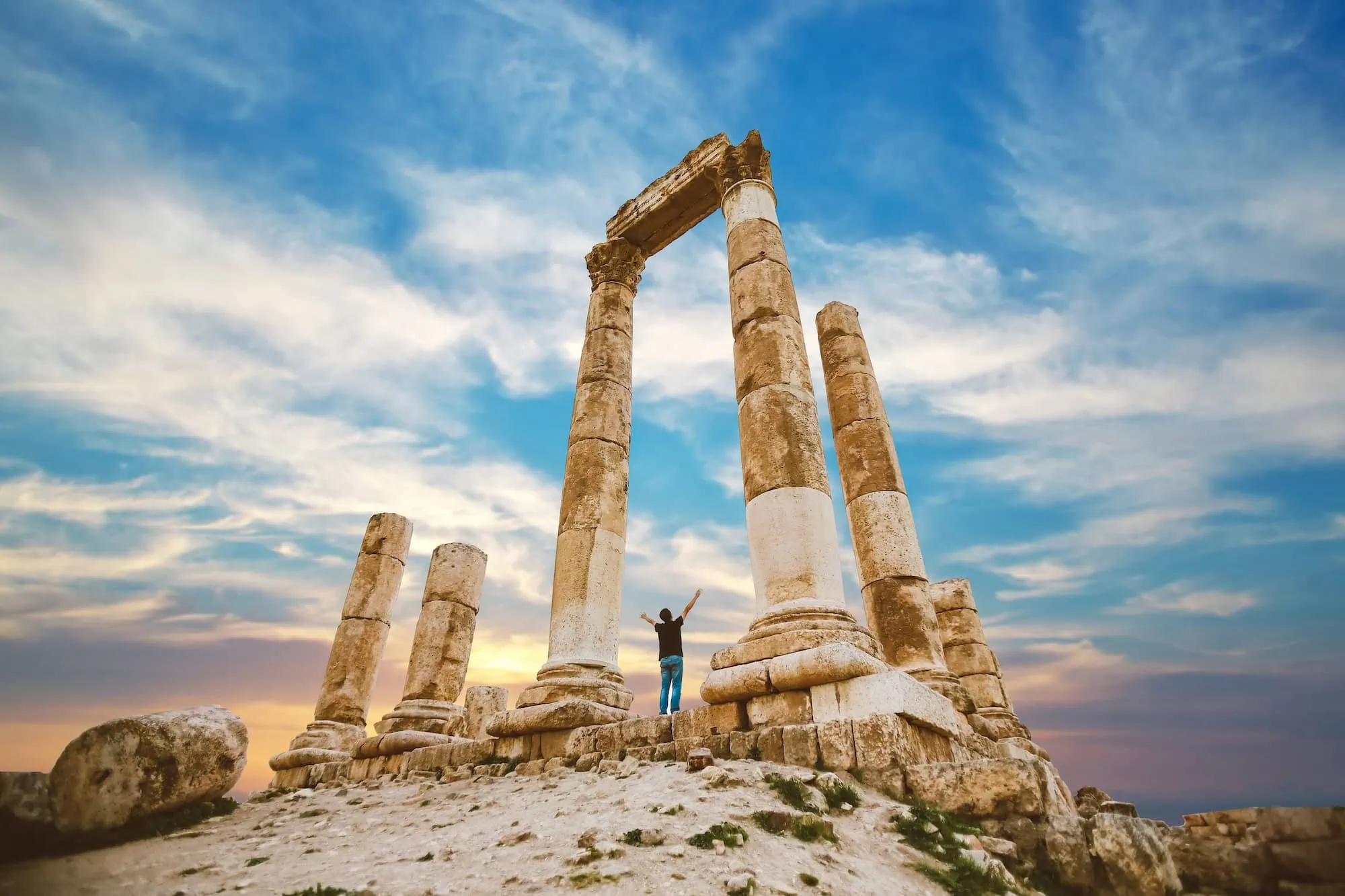
Understanding Jordan’s climate patterns helps you maximize your experience while avoiding crowds and extreme weather. The country’s diverse geography creates distinct microclimates, from the Mediterranean-influenced north to the desert landscapes of Wadi Rum and the unique environment around the Dead Sea. Weather variations affect everything from hiking conditions in Petra to camping comfort in the eastern desert regions.
Planning around optimal seasons ensures you’ll enjoy comfortable temperatures, manageable tourist numbers, and the best conditions for outdoor activities that make Jordan such a compelling destination.
Table of Contents
Spring and Fall: Jordan’s Golden Seasons
March through May and September through November offer Jordan’s most comfortable weather conditions. These shoulder seasons deliver mild temperatures, minimal rainfall, and excellent visibility for exploring ancient ruins and natural wonders.
Spring Weather Patterns (March-May)
Spring temperatures range from 15-25°C (59-77°F) during the day, with cooler evenings perfect for desert camping. March can still see occasional rain showers, particularly in northern regions around Jerash and the Jordan Valley. By April, rainfall decreases significantly while wildflowers bloom across the countryside, creating stunning photography opportunities.
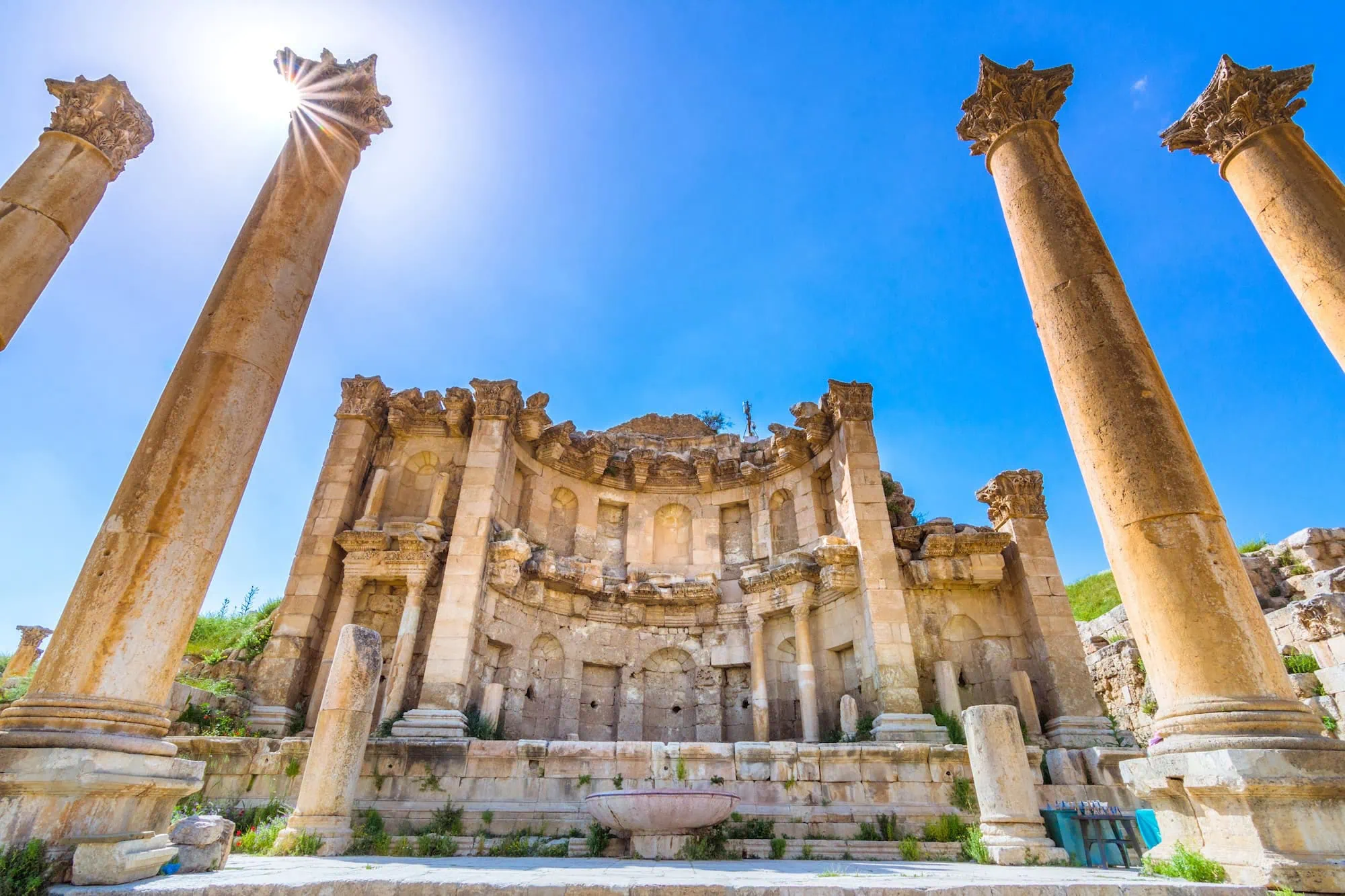
May represents spring’s peak month with consistently warm days and minimal precipitation. Desert regions like Wadi Rum experience perfect conditions for overnight camping, while Petra’s extensive walking routes become more manageable without summer’s intense heat.
Fall’s Reliable Conditions (September-November)
September marks the transition from summer heat to comfortable autumn weather. Early September temperatures may still reach 30°C (86°F) during midday, but evenings cool rapidly in desert areas. October delivers Jordan’s most predictable weather with daily temperatures between 20-28°C (68-82°F) and virtually no rainfall.
November can bring occasional rain, particularly in the final weeks, but generally maintains pleasant daytime conditions ideal for extended outdoor exploration.
Summer Travel: Heat with Hidden Benefits
Jordan’s summer months from June through August challenge visitors with intense heat, yet offer unique advantages for experienced travelers. Daytime temperatures regularly exceed 35°C (95°F) in most regions, with desert areas like Wadi Rum reaching 40°C+ (104°F+) during peak afternoon hours.
Tourist numbers drop dramatically during summer months, creating opportunities for more intimate experiences at major attractions. Petra becomes nearly empty during early morning hours before 8:00 am (08:00), allowing for exceptional photography without crowds. The Dead Sea’s extreme heat makes floating particularly enjoyable, as the intense sun enhances the therapeutic properties of the mineral-rich waters. Summer evenings in elevated areas like Amman cool to comfortable levels, making restaurant terraces and outdoor dining particularly pleasant after sunset.
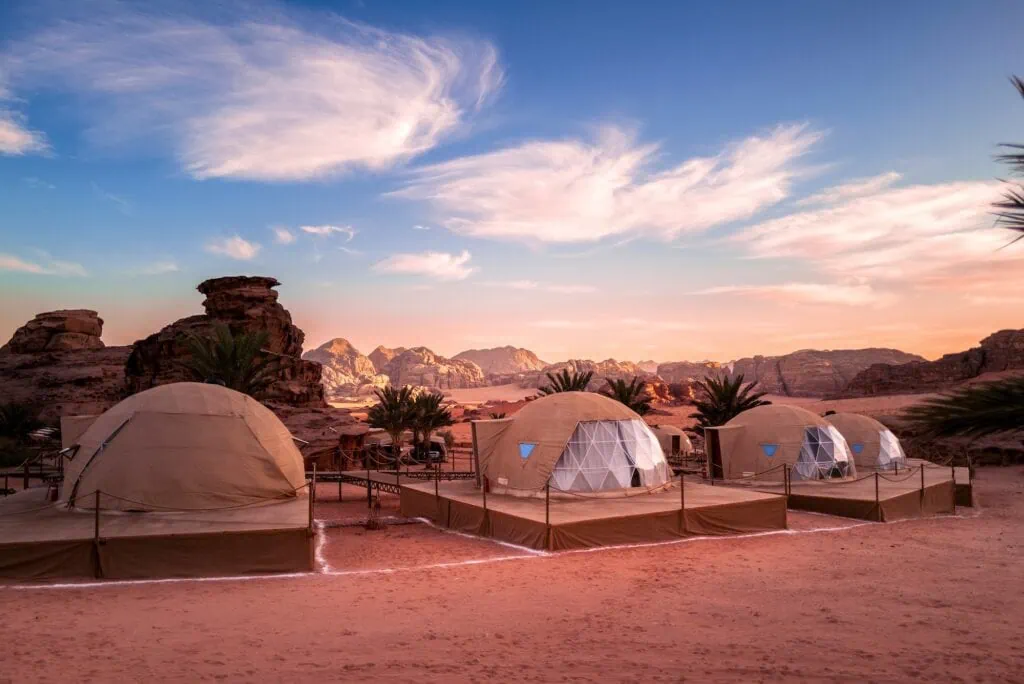
Desert camping requires careful planning during summer, but experienced travelers often prefer these months for the dramatic clear skies and minimal weather uncertainty. Professional guides adjust schedules to avoid peak heat, starting activities at 5:00 am (05:00) and resuming after 4:00 pm (16:00).
Managing Summer Conditions
Heat management becomes essential during June-August visits. Light-colored, loose clothing provides crucial protection, while wide-brimmed hats and high-SPF sunscreen prevent serious sunburn. Carrying extra water becomes non-negotiable, with recommendations increasing to 3-4 liters per person during active outdoor days.
Indoor attractions like museums in Amman and air-conditioned restaurants provide necessary respite during peak afternoon hours between 12:00 pm (12:00) and 4:00 pm (16:00).
Winter Considerations and Opportunities
December through February brings Jordan’s coolest weather with average temperatures ranging from 8-18°C (46-64°F). Northern regions experience occasional frost, while southern desert areas maintain milder conditions but with significant temperature drops after sunset.
Rainfall peaks during winter months, particularly in January and February, when some attractions may experience temporary closures due to flash flooding in wadis (dry riverbeds). However, winter rain transforms Jordan’s landscape, bringing green vegetation to normally arid regions and filling seasonal waterfalls near Dana Nature Reserve and other protected areas.
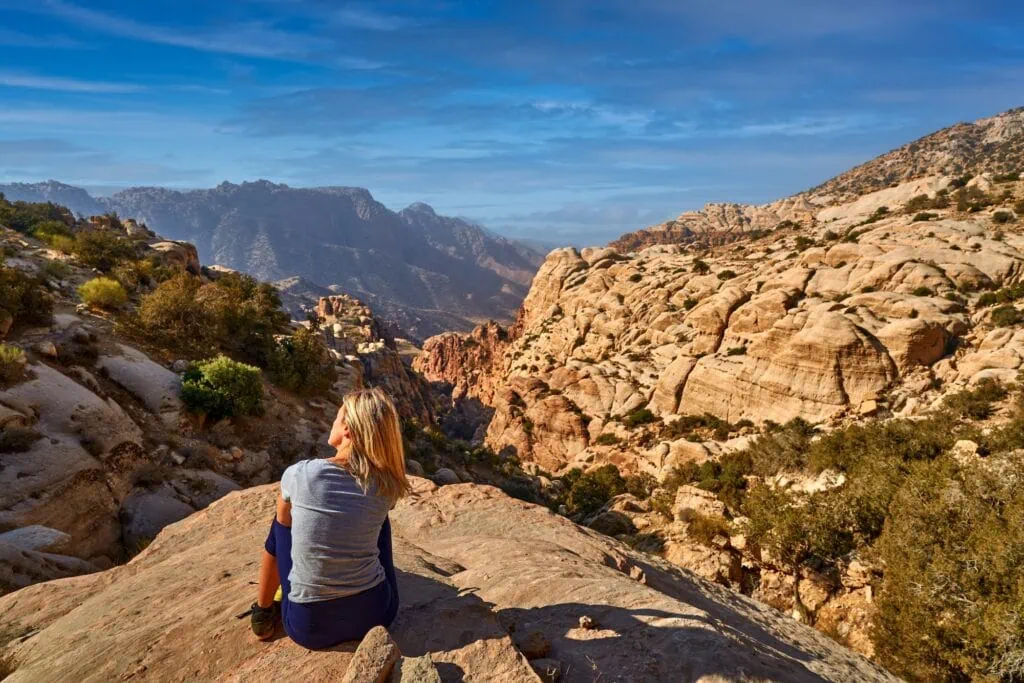
Winter travel offers excellent conditions for hiking in southern regions, where summer heat makes extended walking uncomfortable. Wadi Rum’s winter camping provides crystal-clear stargazing opportunities, though visitors need appropriate cold-weather gear for nighttime temperatures that can drop below 5°C (41°F).
Regional Winter Variations
The Dead Sea region maintains the warmest winter temperatures due to its below-sea-level elevation, making it an excellent winter destination. Aqaba on the Red Sea coast experiences mild winter weather perfect for water activities and coral reef exploration.
Mountain regions around Dana and Ajloun may see occasional snow, creating unique photographic opportunities but potentially limiting access to some hiking trails.
Monthly Weather Breakdown
January-February
These coldest months bring daytime highs around 12-15°C (54-59°F) with nighttime lows dropping to 3-5°C (37-41°F). Rainfall peaks during this period, averaging 3-5 rainy days per month in most regions. Tourist numbers remain low, creating excellent conditions for visiting popular sites without crowds.
March-April
Transition months feature gradually warming temperatures from 18°C (64°F) in early March to 25°C (77°F) by late April. Wildflower season begins in March, transforming desert landscapes with colorful blooms. Easter holidays may increase visitor numbers, particularly at religious sites.
May-June
Late spring warmth gives way to early summer heat. May offers ideal conditions with temperatures around 28°C (82°F), while June introduces summer’s intensity with averages reaching 32°C (90°F). June represents the last comfortable month for extensive midday outdoor activities.
July-August
Peak summer heat dominates with daily temperatures exceeding 35°C (95°F). Tourism numbers drop significantly, but early morning and evening activities remain enjoyable. Desert regions become challenging for inexperienced travelers without proper preparation.
September-October
Autumn’s arrival brings relief from summer heat. September starts warm but manageable at 30°C (86°F), cooling to perfect 24°C (75°F) by October. These months often provide Jordan’s most reliable weather conditions with minimal rainfall and comfortable temperatures for all activities.
November-December
Late autumn transitions into winter with November maintaining pleasant 20°C (68°F) temperatures before December’s cooler 15°C (59°F) averages. Rainfall gradually increases, particularly in December, though many days remain clear and sunny.
Destination-Specific Timing
Petra Optimal Conditions
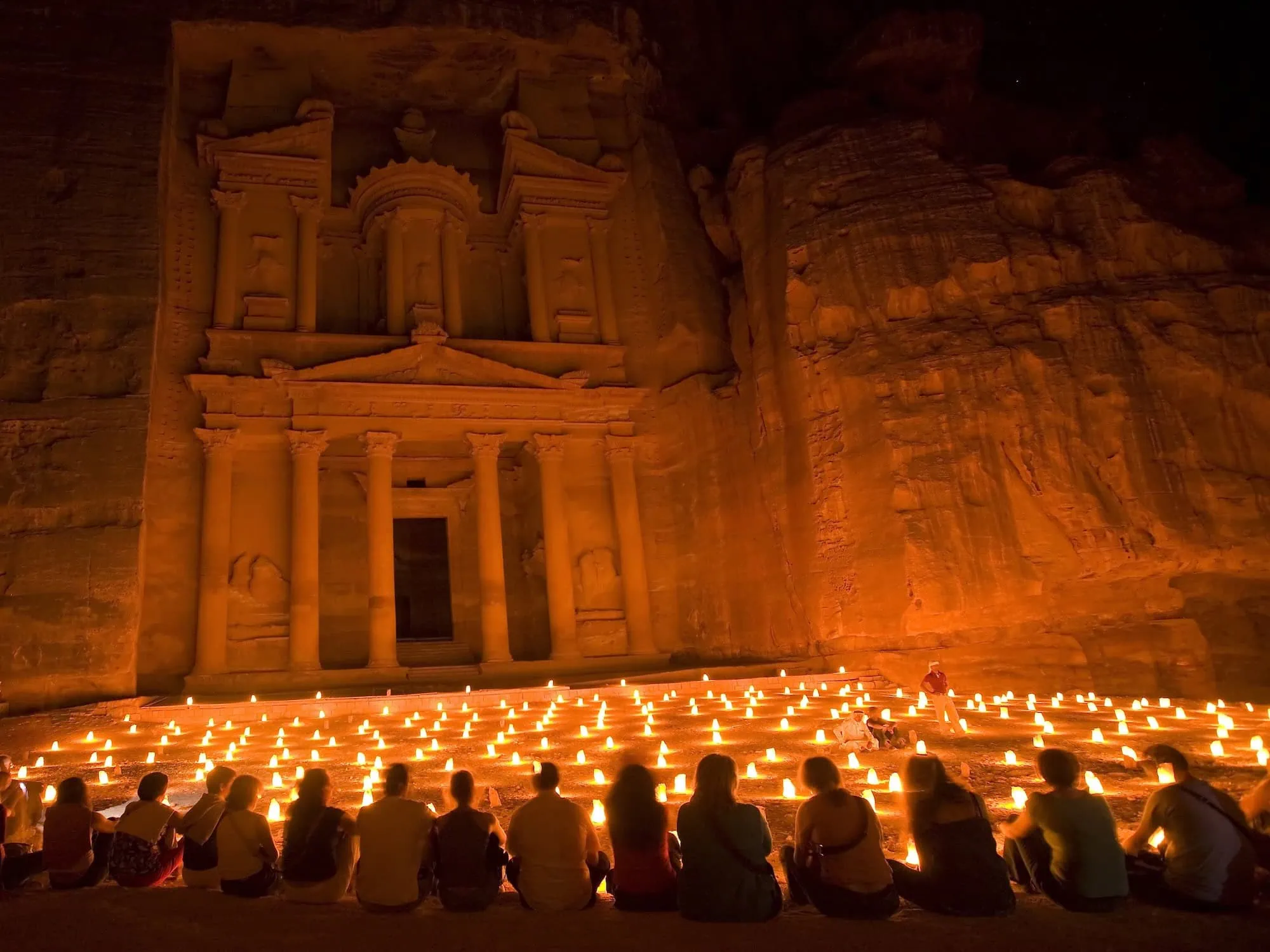
Petra requires significant walking across exposed terrain, making temperature considerations crucial. Spring and fall months provide ideal conditions for exploring the extensive site, while summer visits demand early morning starts before 7:00 am (07:00) to avoid dangerous heat exposure. Winter brings comfortable walking temperatures but potential rain delays.
The Treasury’s famous facade receives optimal lighting during morning hours year-round, with golden hour photography opportunities best captured during shorter winter days when shadows create dramatic contrasts.
Wadi Rum Desert Camping
Desert camping conditions vary dramatically by season. Spring and fall offer perfect nighttime temperatures for traditional Bedouin camp experiences, while summer camping requires specialized heat management and modified schedules. Winter camping provides excellent stargazing but demands proper cold-weather equipment.
Camel trekking and jeep tours adapt to seasonal conditions, with summer activities concentrated during dawn and dusk hours when temperatures become tolerable.
Dead Sea Floating Experience
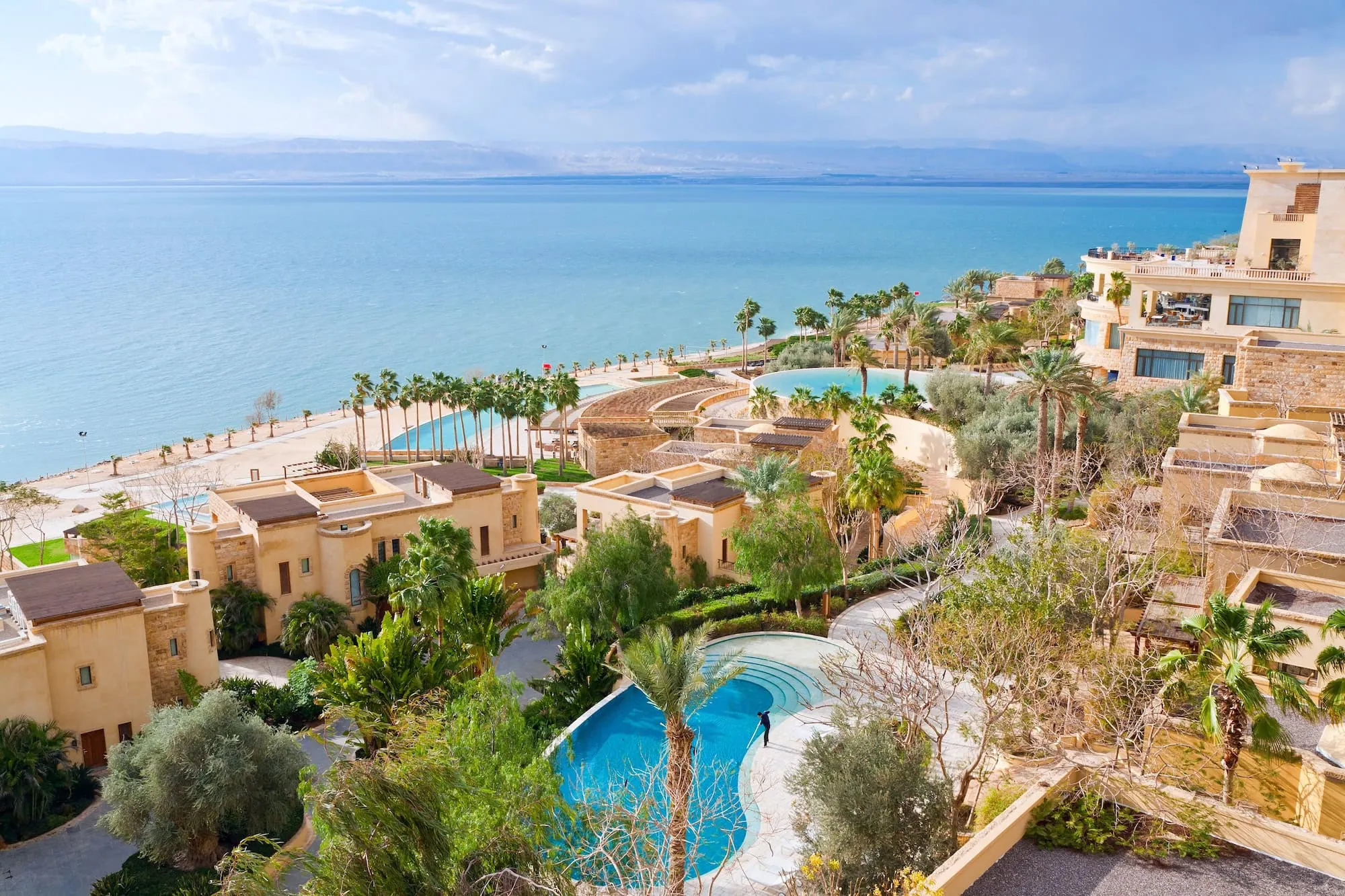
The Dead Sea’s unique environment creates year-round swimming conditions, though seasonal variations affect comfort levels. Summer’s intense heat enhances the therapeutic floating experience, while winter’s milder temperatures allow for extended time in the mineral-rich waters.
UV reflection from the water surface intensifies sun exposure regardless of season, requiring consistent sun protection throughout the year.
Cultural and Religious Considerations
Ramadan Impact on Travel
Ramadan’s timing shifts annually based on the lunar calendar, affecting travel experiences significantly. During this holy month, restaurants and cafes close during daylight hours, while evening iftar meals create vibrant social atmospheres. Tourist attractions maintain normal hours, but travelers should respect fasting customs and dress modestly.
Religious Holidays and Festivals
Islamic holidays like Eid al-Fitr and Eid al-Adha create festive atmospheres but may affect business hours and transportation schedules. Christian Orthodox celebrations influence tourist patterns at religious sites, particularly around Easter when Jordan’s Christian communities hold special observances.
Cultural Sensitivity Throughout the Year
Conservative dress codes apply year-round, though summer heat makes appropriate clothing choices more challenging. Long sleeves and pants remain necessary for religious site visits regardless of temperature, while head coverings for women may be required at certain locations.
Tourist Season Patterns and Pricing
Peak season runs from March through May and September through November, when international visitor numbers reach their highest levels. Hotel rates increase by 30-50% during these periods, while tour availability becomes limited without advance booking.
Summer low season offers significant cost savings with hotel rates dropping considerably and tour operators providing discounted packages. However, extreme heat limits some outdoor activities and may affect the quality of certain experiences.
Winter shoulder season provides moderate pricing with fewer crowds, though weather uncertainty may impact flexible itineraries. December holiday periods see temporary price increases despite cooler weather conditions.
Practical Packing Recommendations
Spring and Fall Travel
Layered clothing proves essential during these transitional seasons. Light jackets for evening cool-downs, comfortable walking shoes with good ankle support, and versatile pieces that work for both casual exploration and restaurant dining cover most situations.
Summer Preparation
Heat-resistant clothing becomes crucial for summer visits. Light-colored, loose-fitting garments, wide-brimmed hats, high-SPF sunscreen, and extra water containers top the essential items list. Cooling towels and electrolyte supplements help manage heat exposure.
Winter Essentials
Warm clothing for evening desert temperatures, waterproof jackets for potential rainfall, and sturdy footwear for wet conditions prepare visitors for winter’s variable weather. Thermal layers prove valuable for overnight desert camping experiences.
Frequently Asked Questions
October offers the most consistent weather with comfortable temperatures and minimal rainfall.
Summer visits require careful planning but offer fewer crowds and dramatic clear skies.
Late January and February present the highest rainfall risk though weather remains manageable.
The Dead Sea stays 5-10°C warmer while mountain areas are significantly cooler.
Yes, temperature variations from winter lows of 3°C to summer highs above 40°C require season-appropriate clothing.
Petra remains accessible throughout the year though summer requires early morning starts.
Sandstorms occur infrequently but most commonly during spring transition periods in March and April.
Ramadan offers cultural insights but requires flexibility with dining options and respect for customs.
Book accommodations and tours 2-3 months ahead for spring and fall visits.
Comprehensive travel insurance covers weather delays particularly important during winter’s rainy season.
Winter camping is possible but requires proper cold-weather gear as temperatures drop below freezing.
Major attractions remain open year-round though extreme weather may cause temporary closures.
Design Your Custom Tour
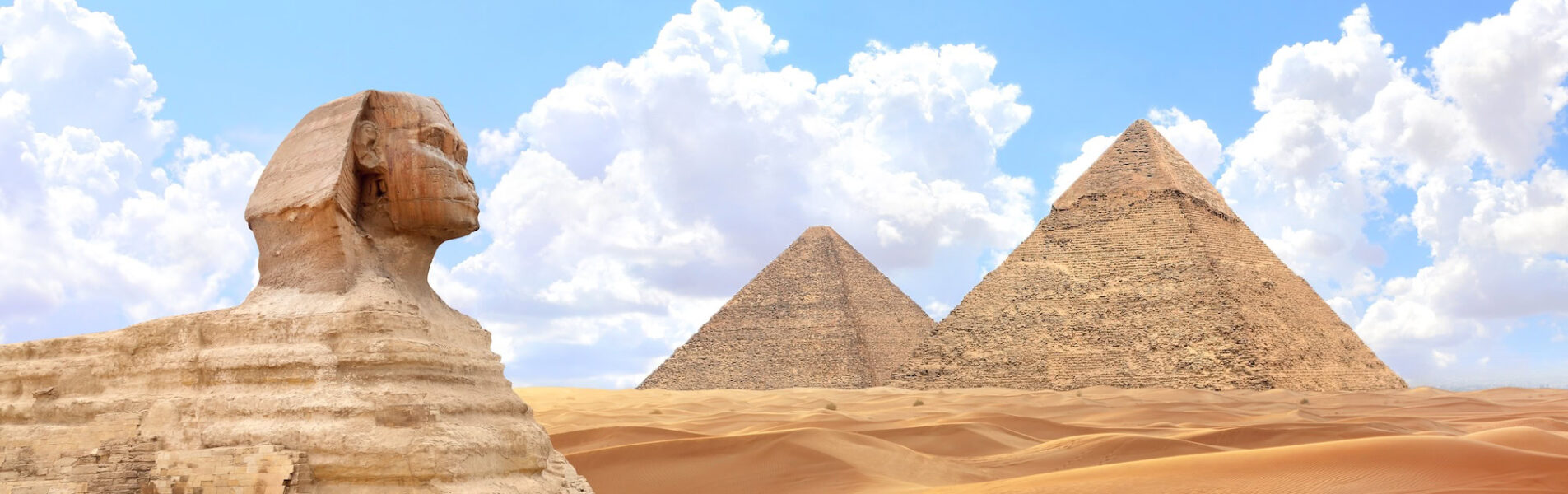
Explore Egypt and Jordan your way by selecting only the attractions you want to visit