

Irbid Jordan – An Historical City Born During The Bronze Age
Jordan’s second-largest city offers more than meets the eye.
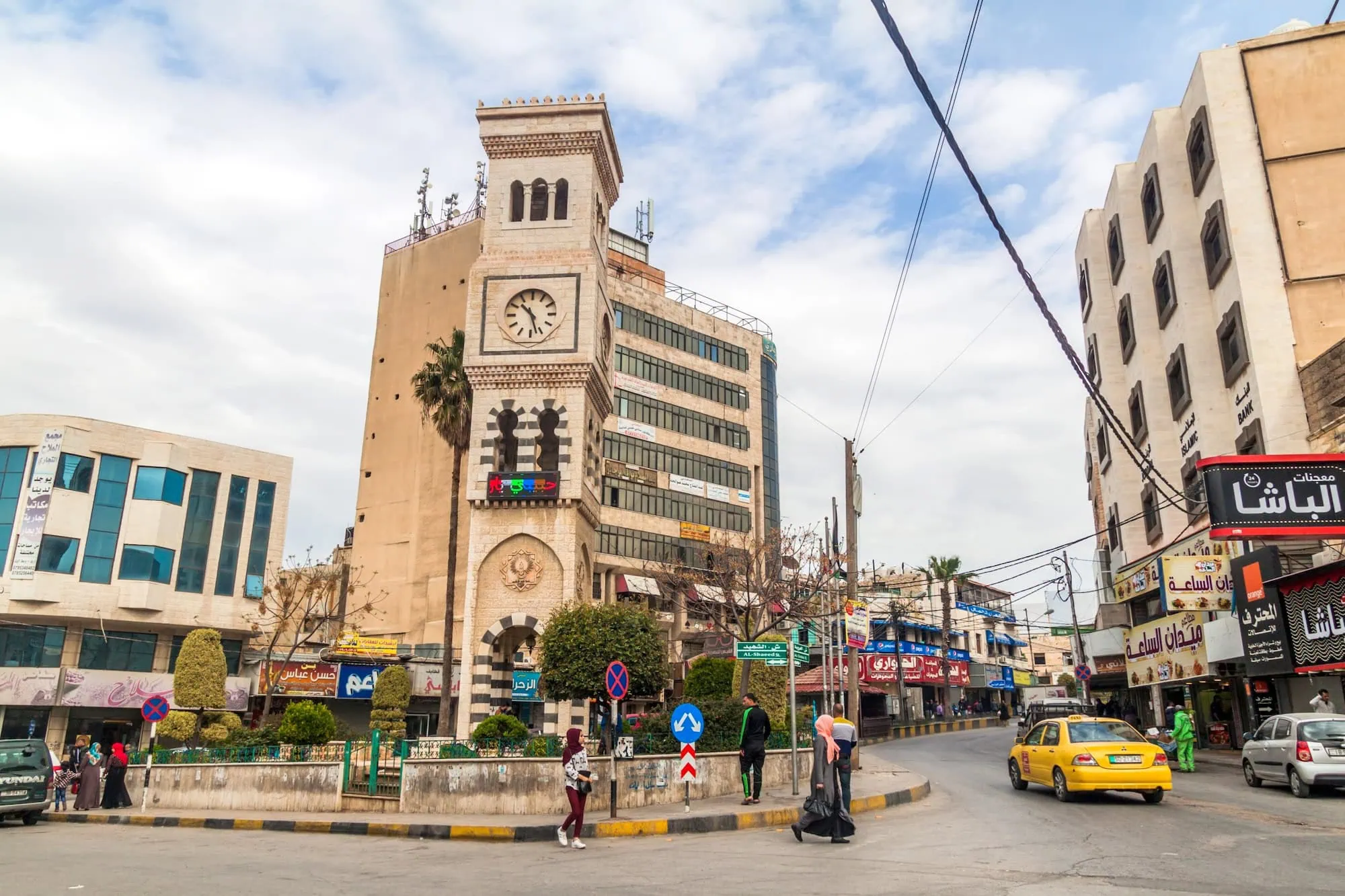
Tucked into the rolling hills of northern Jordan, Irbid stands as a vibrant testament to the country’s evolution from ancient trading post to modern educational powerhouse. This bustling metropolis of over 1.7 million residents serves as both the intellectual heart of the kingdom and your perfect launching point for exploring some of the Middle East’s most spectacular archaeological wonders. While many travelers rush past en route to Petra or Amman, those who pause here discover a city where Bronze Age foundations support cutting-edge universities, where ancient Roman roads lead to contemporary cafes, and where the spirit of the historic Decapolis lives on in every neighborhood.
The city’s strategic position near the Syrian border has shaped its character for millennia, creating a unique blend of academic excellence, historical significance, and authentic Jordanian culture that few destinations can match.
Table of Contents
Educational Excellence and University Life
Irbid has earned its reputation as Jordan’s undisputed university capital through decades of academic achievement. The prestigious Yarmouk University, established in 1976, transforms the city’s rhythm with over 40,000 students from across the Arab world.
Walking through the sprawling campus reveals state-of-the-art research facilities, vibrant student housing, and lecture halls where tomorrow’s regional leaders debate everything from ancient history to renewable energy.
The Yarmouk University Experience
The university’s influence extends far beyond its campus boundaries. Students fill local cafes discussing philosophy over strong Arabic coffee, while international research collaborations bring scholars from Europe, Asia, and the Americas to this northern Jordanian hub. The institution’s archaeology department has contributed significantly to excavations at nearby Pella and other regional sites, creating a living laboratory where theoretical knowledge meets hands-on discovery.
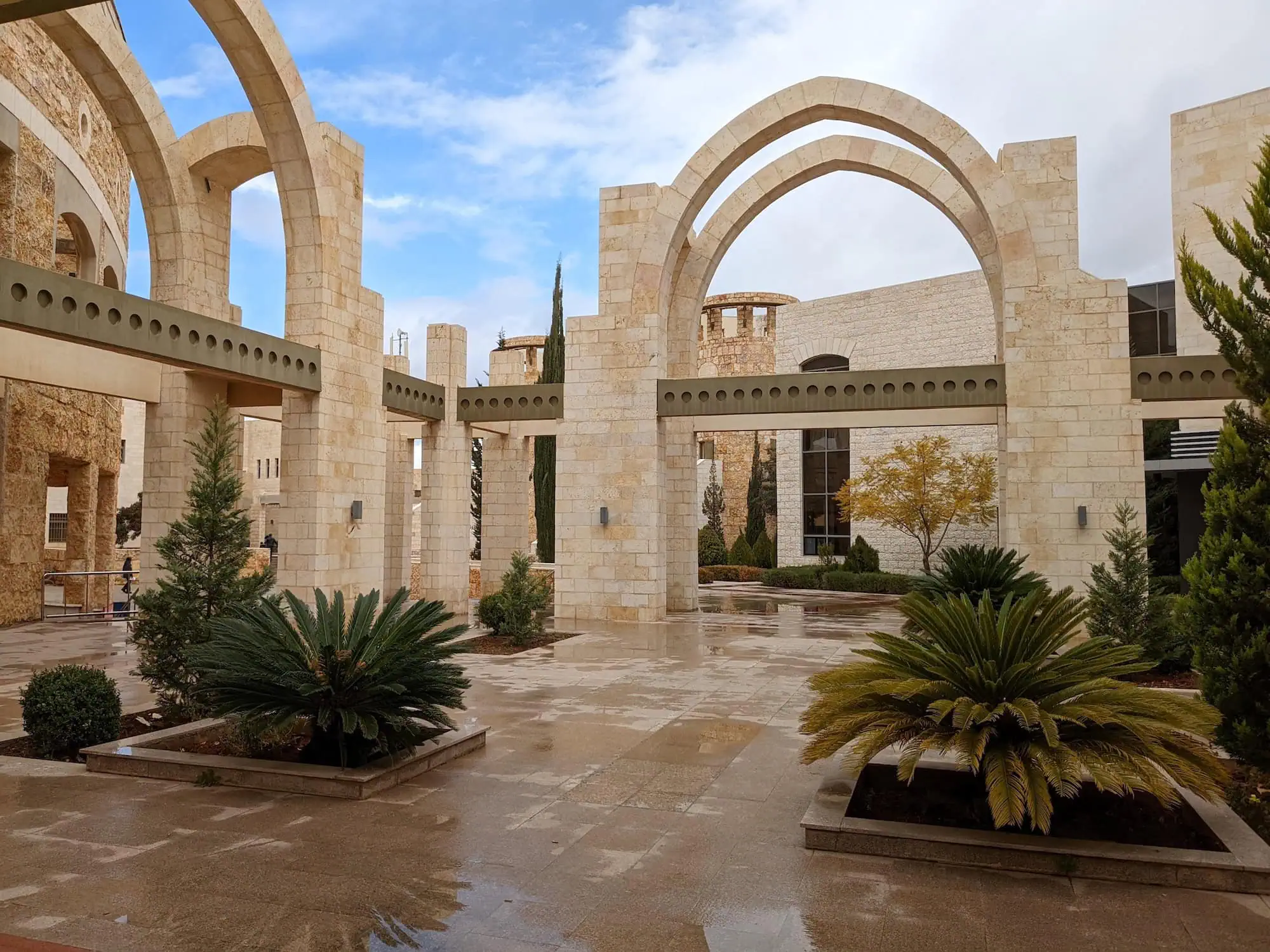
Evening cultural events, from poetry readings to scientific symposiums, give the city an intellectual vibrancy that rivals any European university town.
Jordan University of Science and Technology
Just outside the city center, the Jordan University of Science and Technology adds another dimension to Irbid’s academic landscape. This institution focuses on engineering, medicine, and applied sciences, creating a perfect complement to Yarmouk’s liberal arts strengths. The collaborative research projects between these institutions have positioned Irbid as a regional center for innovation, particularly in sustainable agriculture and water management technologies crucial to Jordan’s future.
The university’s medical school operates one of the country’s most advanced teaching hospitals, serving both the local population and providing practical training for the next generation of Jordanian healthcare professionals.
Ancient Foundations in the Modern World
Archaeological evidence reveals Irbid’s remarkable continuity of settlement spanning over 5,000 years. Early Bronze Age communities chose this location for its strategic advantages: fertile soil, reliable water sources, and commanding views of the surrounding valleys. These ancient settlers could hardly have imagined their small trading post would eventually become one of the ten cities of the Roman Decapolis.
The city’s Roman heritage lives on in unexpected places. Construction projects regularly uncover ancient foundations, pottery fragments, and coins that speak to centuries of continuous habitation. Local museums display these discoveries alongside detailed explanations of how each archaeological layer tells part of Irbid’s story.
Walk through the old city center and you’ll notice how modern buildings incorporate ancient stone blocks, creating a visual timeline where Byzantine craftsmanship supports contemporary commerce.
Gateway to Archaeological Wonders
Umm Qais: Decapolis Grandeur
Twenty kilometers northwest of Irbid, the ancient city of Gadara awaits exploration. Known today as Umm Qais, this remarkably preserved Roman settlement offers panoramic views across the Sea of Galilee, the Golan Heights, and the Jordan Valley. The site’s black basalt theater, colonnaded streets, and underground mausoleum complex provide an intimate glimpse into daily life during the height of Roman power.
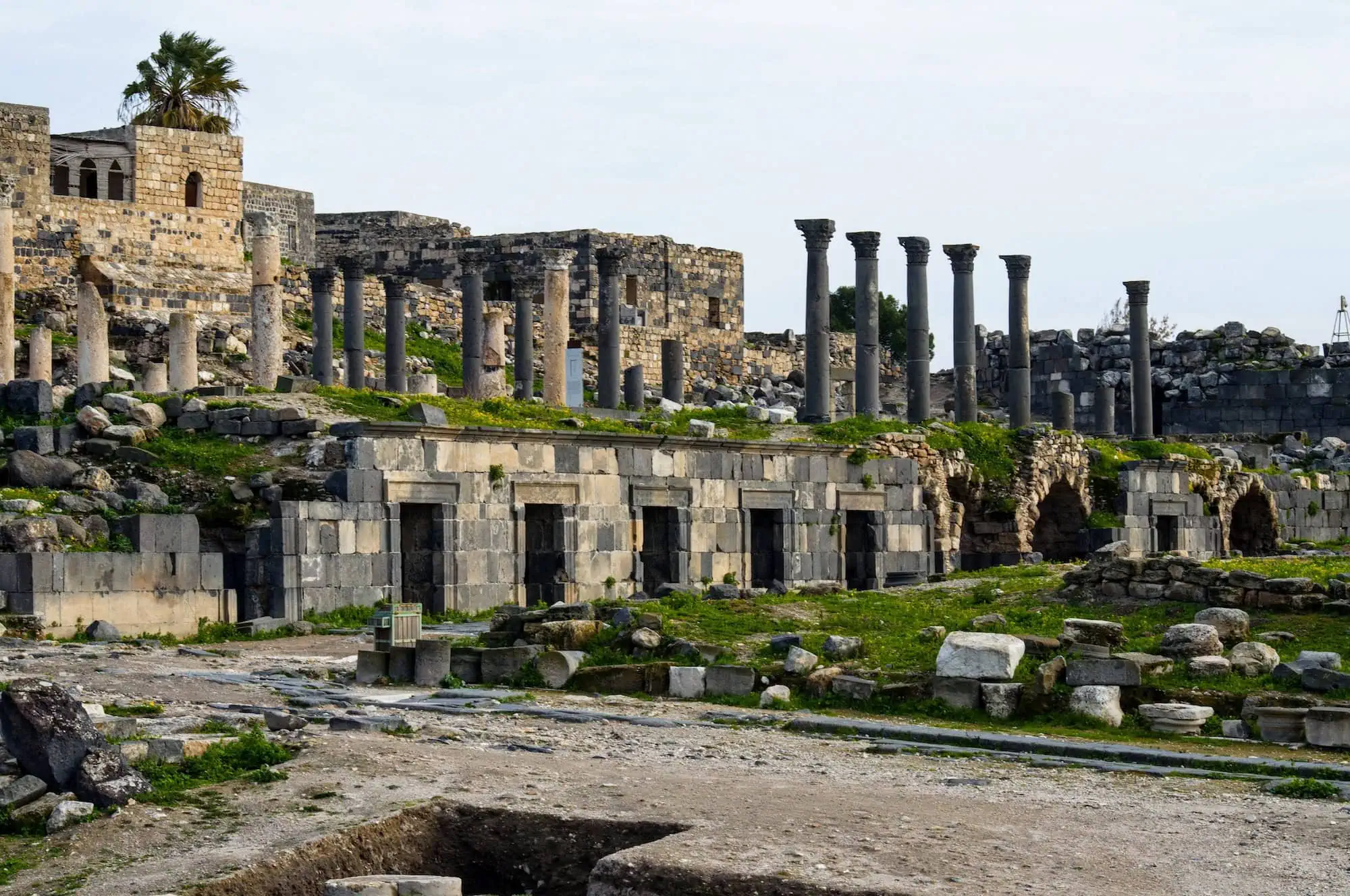
We recommend visiting during the golden hour before sunset when the ancient stones glow warm against the dramatic landscape backdrop. The site’s museum houses exceptional mosaics and statuary discovered during ongoing excavations.
Pella’s Biblical Connections
Fifteen kilometers south of Irbid, Pella offers a different but equally compelling archaeological experience. This ancient city holds particular significance for early Christian history, as tradition places it as a refuge for Jerusalem’s Christian community during the Jewish revolt of 66-70 CE. The site encompasses remains from multiple periods, including impressive Hellenistic and Roman structures built atop earlier Bronze Age foundations.
Recent excavations have uncovered a Byzantine church complex with stunning mosaic floors depicting birds, fish, and geometric patterns that demonstrate the artistic sophistication of early Christian communities in Jordan.
Climate and Seasonal Considerations
Irbid’s Mediterranean climate creates distinct seasonal personalities that affect both daily life and travel planning. Summer temperatures regularly reach 32°C (90°F), but the city’s elevation of 620 meters (2,034 feet) above sea level provides cooling evening breezes that make outdoor activities pleasant after sunset. The dry summer months from June through September offer perfect conditions for archaeological site exploration and outdoor dining.
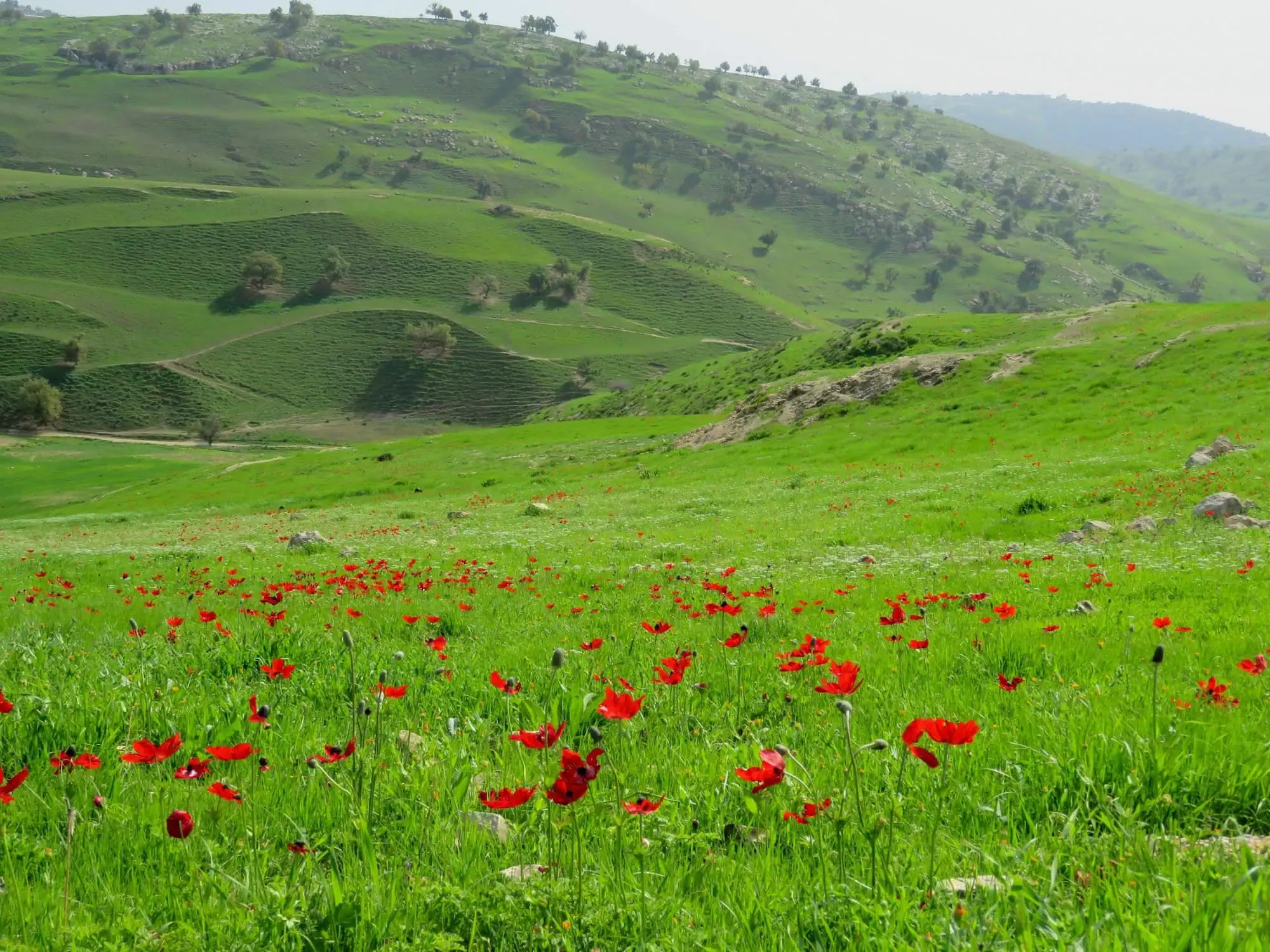
Winter brings transformation as temperatures drop to 8°C (46°F) and rain nourishes the surrounding agricultural regions. This seasonal moisture supports the olive groves and wheat fields that have sustained the area’s economy for millennia. Spring arrives early, typically in March, painting the hillsides with wildflowers and creating ideal conditions for hiking and photography.
Planning Your Visit
The optimal visiting window extends from October through April when daytime temperatures hover around 20°C (68°F) and rainfall remains minimal. During these months, archaeological sites offer comfortable exploration conditions, and the surrounding countryside displays its most photogenic qualities.
Summer visitors should plan early morning site visits, typically beginning around 7:00 am (07:00), to avoid the intense midday heat that builds after 11:00 am (11:00).
Local Culture and Authentic Experiences
Irbid’s cultural authenticity stems from its role as a working city rather than a tourist destination. Morning markets burst with locally grown produce, handmade crafts, and the social interactions that define authentic Jordanian community life. The Friday market near the city center becomes a carnival of colors, sounds, and aromas where traditional crafts meet modern necessities.
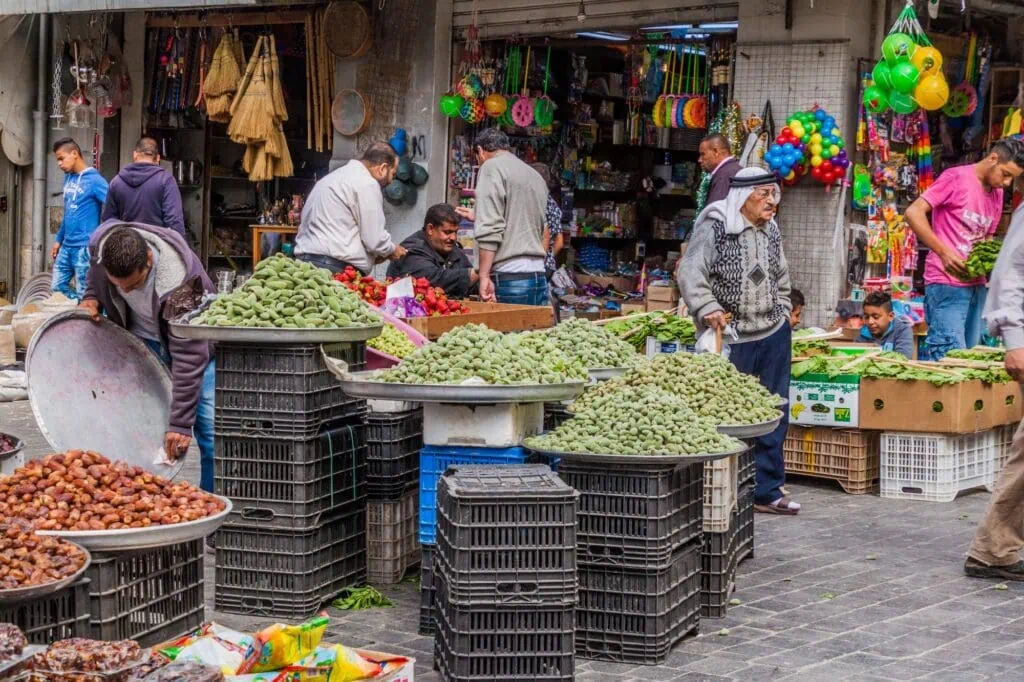
Local restaurants serve dishes that reflect the city’s position at the crossroads of Jordanian, Syrian, and Palestinian culinary traditions. Family-owned establishments prepare mansaf with techniques passed down through generations, while contemporary cafes experiment with fusion approaches that respect traditional flavors while appealing to the international student population.
Museums and Cultural Sites
The city’s museums provide context for understanding both local history and broader regional developments. The Museum of Jordanian Heritage showcases traditional costumes, agricultural implements, and domestic artifacts that illustrate how daily life has evolved over the past century. Interactive displays allow visitors to experience traditional music, see demonstrations of ancient crafts, and understand the social structures that continue to influence contemporary Jordanian society.
The Dar As-Saraya Museum, housed in a renovated Ottoman-era building, focuses specifically on the northern region’s role in Jordan’s national development.
Transportation and Regional Connections
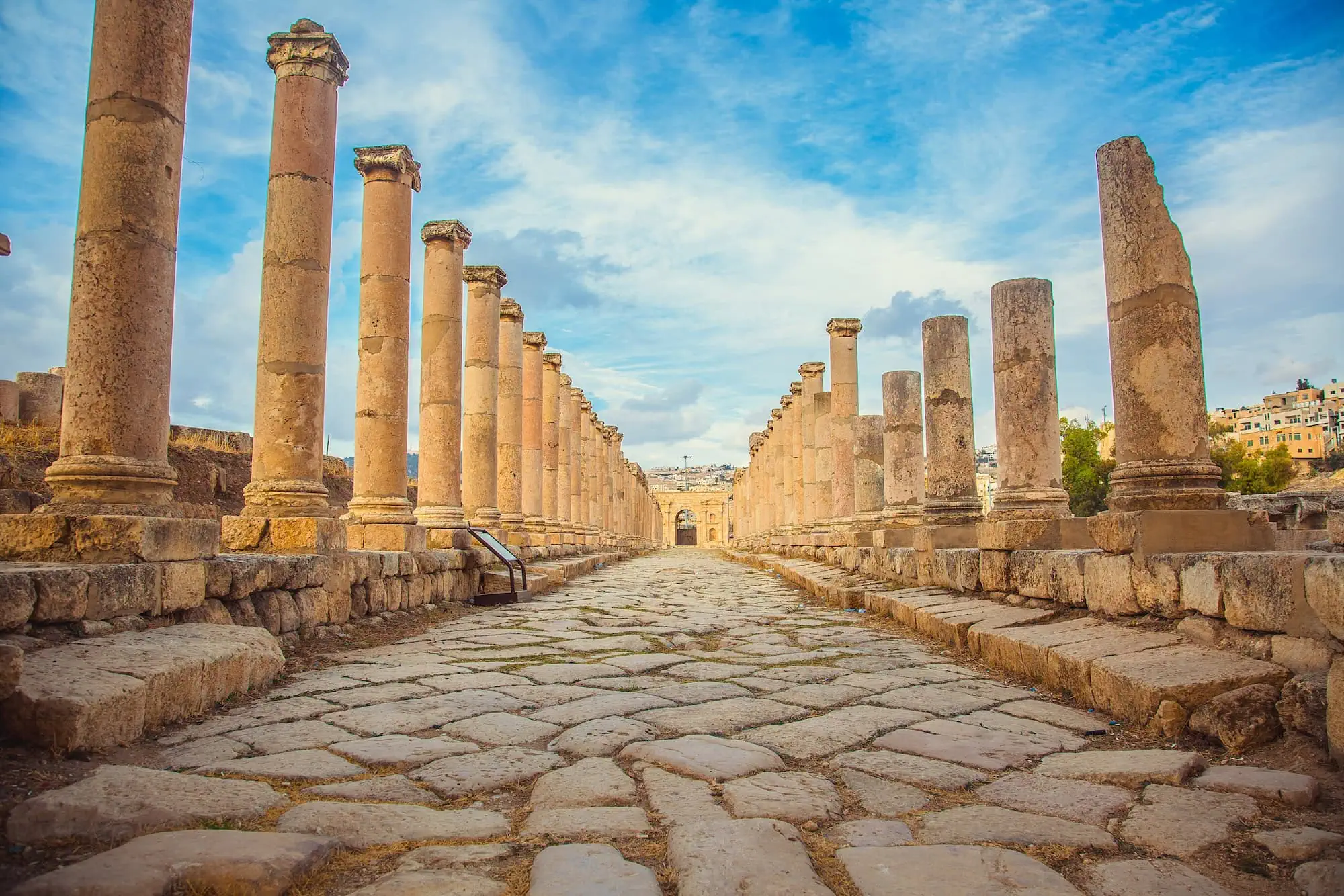
Irbid’s transportation network reflects its historical importance as a regional crossroads. The city serves as the natural hub for exploring northern Jordan’s archaeological treasures, with well-maintained roads connecting to Umm Qais, Pella, Ajloun Castle, and Jerash within comfortable day-trip distances.
Regular bus services link Irbid with Amman every 30 minutes throughout the day, making it possible to combine northern exploration with visits to the capital’s attractions. The journey to Amman covers 85 kilometers (53 miles) and typically requires 90 minutes, depending on traffic conditions.
Getting Around the Region
Private transportation offers the greatest flexibility for archaeological site visits, as public transportation to places like Umm Qais operates on limited schedules that may not align with optimal visiting times. Taxi services provide reasonable rates for day-long excursions, and many drivers possess extensive knowledge of local history and hidden gems not mentioned in standard guidebooks.
For visitors planning extended northern Jordan exploration, Irbid’s central location provides easy access to the Jordan River Valley, Syrian border crossings, and highland areas that offer hiking and nature photography opportunities.
Planning Your Archaeological Adventure
Northern Jordan’s archaeological wealth demands strategic planning to maximize your experience while respecting the significance of these ancient sites. We recommend allocating a minimum of three full days for proper exploration: one day each for Umm Qais and Pella, plus additional time for Irbid’s own museums and cultural sites.
Early morning starts prove essential, particularly during warmer months when archaeological sites become uncomfortably hot by midday. Most sites open at 8:00 am (08:00) and offer their most photogenic conditions during the first two hours of operation.
Professional Guidance Advantages
Expert guides transform archaeological visits from simple sightseeing into educational journeys through time. Professional guides familiar with recent excavation discoveries can explain how ongoing research continues to reshape our understanding of ancient life in the region. They provide context for architectural details, point out significant but easily overlooked features, and help visitors understand the connections between different historical periods.
Our experienced guides combine decades of regional expertise with university-level archaeological knowledge, ensuring your exploration of northern Jordan’s treasures becomes both memorable and meaningful. With modern, air-conditioned vehicles and flexible itineraries tailored to your interests, we create personalized experiences that honor both your travel goals and the historical significance of these remarkable sites.
Frequently Asked Questions
Approximately 85 kilometers north of Amman, requiring about 90 minutes by car or bus.
Irbid served as part of the ancient Roman Decapolis and has maintained continuous settlement for over 5,000 years.
Yarmouk University, established in 1976, is Jordan’s premier liberal arts institution with over 40,000 students.
Yes, both sites can be visited in a single day trip from Irbid, though each deserves several hours.
October through April offers the most comfortable temperatures for outdoor exploration with pleasant weather.
Yes, Irbid maintains the same high safety standards as other Jordanian cities with friendly locals.
A minimum of three full days allows proper exploration of the city and nearby archaeological sites.
Irbid sits near the Syrian border providing access to multiple countries’ archaeological treasures and diverse landscapes.
Yes, the city offers various accommodation levels from budget-friendly guesthouses to modern hotels.
Arabic is the primary language, though English is widely spoken due to the large university population.
Design Your Custom Tour
Explore Egypt and Jordan your way by selecting only the attractions you want to visit