Privately guided. Always.
Giza Pyramids Tours
Giza Pyramids Tours have been our specialty since 1955, with over seven decades of guiding travelers privately through Egypt’s most extraordinary monuments. Whether you’re starting from Cairo, the Red Sea coast, or arriving by Nile cruise, every tour comes with your own private Egyptologist guide and personal driver.
Giza Pyramids Tours – An Unforgettable Egyptian Experience
Step into ancient Egypt’s most incredible monument site.
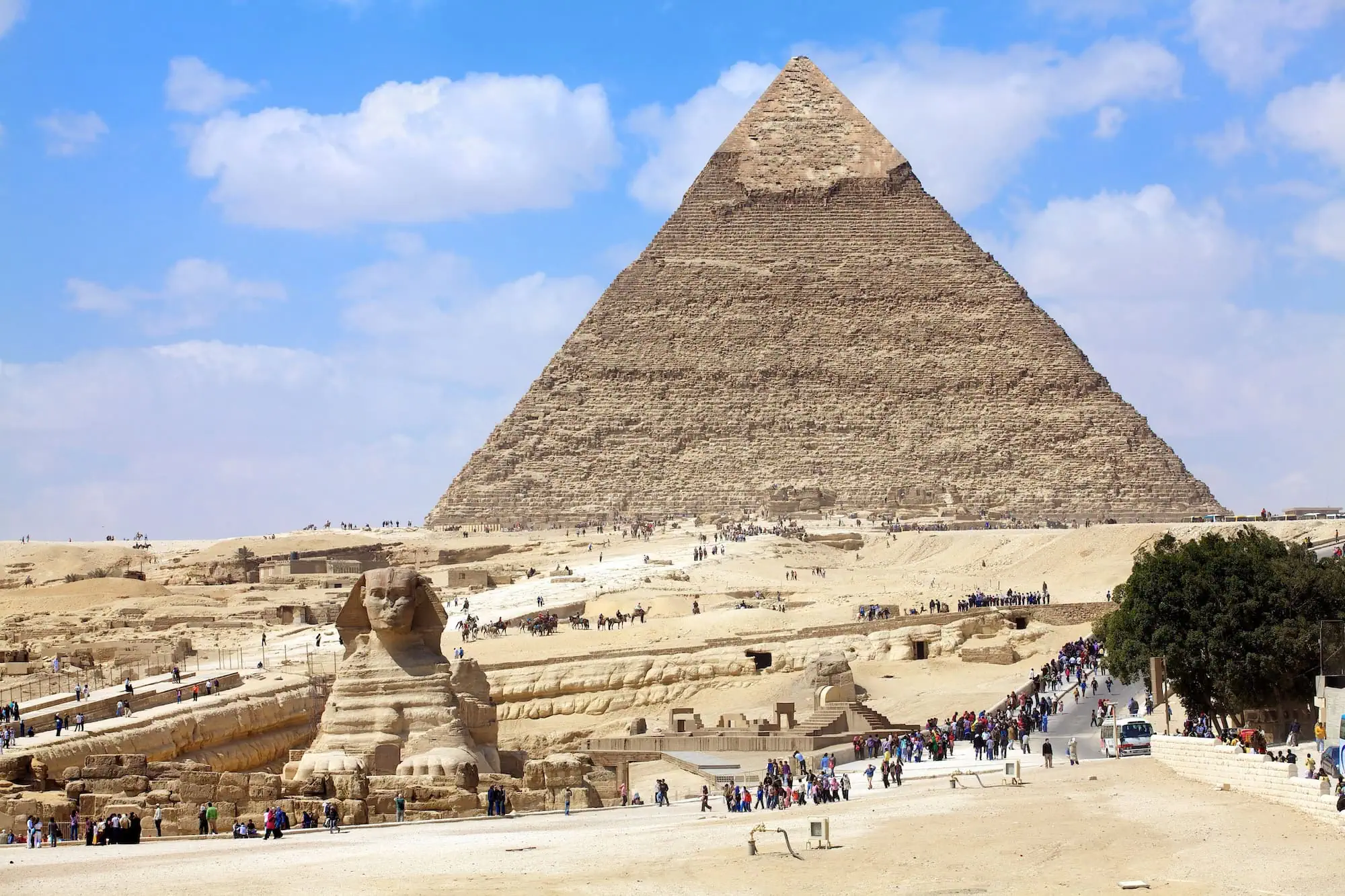
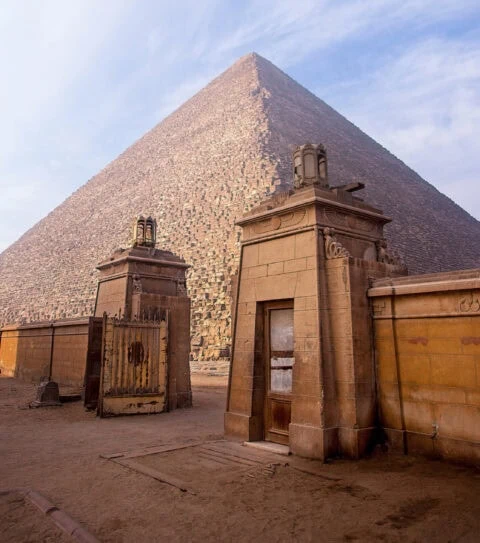
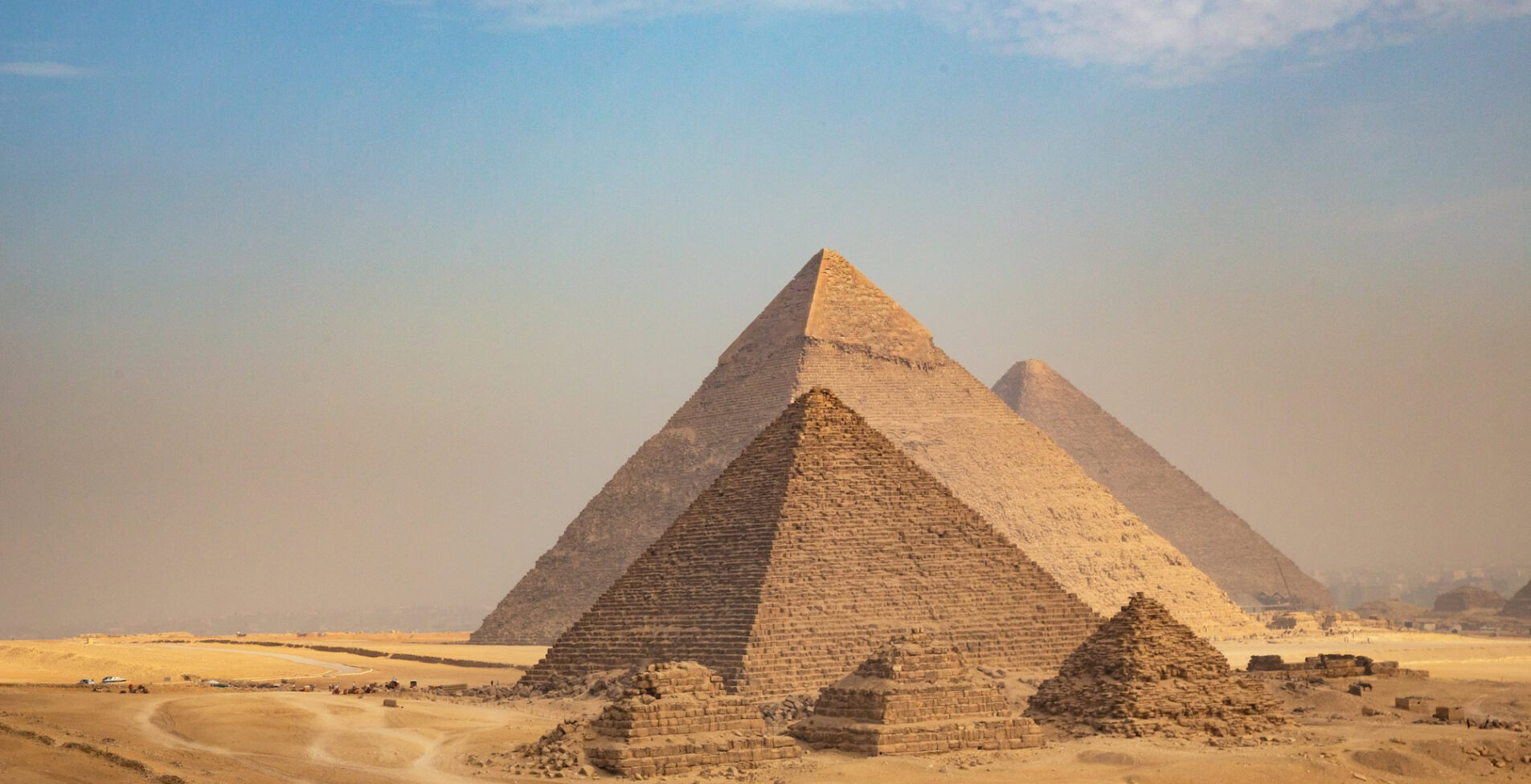
For over 4,500 years, the Giza pyramid complex has captured imaginations and inspired countless travelers to journey across the globe. Standing majestically on the desert plateau just outside Cairo, these architectural marvels represent humanity’s earliest engineering triumphs.
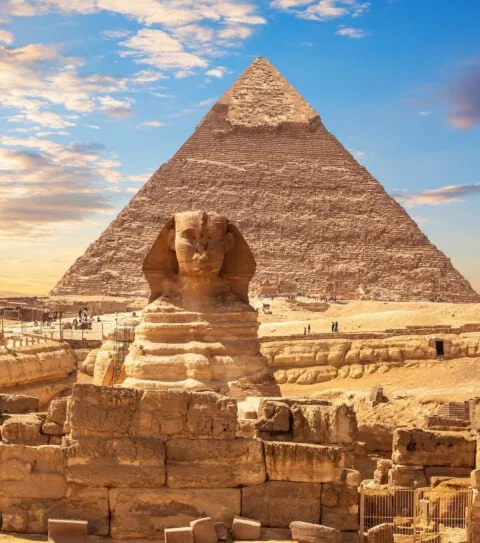
The Great Pyramid of Khufu remains the only surviving wonder of the ancient world, while the enigmatic Sphinx guards secrets that archaeologists continue to uncover. What makes visiting these monuments truly extraordinary isn’t just their historical significance, but the profound sense of connection you’ll feel to civilizations that flourished millennia before our time. Almost every one of our Egypt tour packages includes a visit to the Giza Pyramids, because no introduction to ancient Egypt feels complete without standing in their shadow.
We’ve spent over seven decades perfecting the art of Giza exploration since 1955, ensuring every visitor experiences these monuments in ways that create lasting memories. From sunrise camel rides across golden sands to exclusive access inside pyramid chambers, the right tour transforms a simple sightseeing trip into a journey through time.
Private Guided Tours: Your Gateway to Ancient Mysteries
Expert Egyptologists bring these stones to life through storytelling that spans centuries. During our private guided experiences, you’ll discover construction techniques that baffle modern engineers, learn about pharaonic burial traditions, and understand the astronomical alignments that made these pyramids so significant to ancient Egyptian culture.
Interior Access to the Great Pyramid
Interior access to the Great Pyramid’s King’s Chamber is available with separate ticket purchase, capped at 300 visitors per day. We can arrange these tickets in advance, though specific entry slots cannot always be guaranteed during peak season. Inside, narrow passages lead to the King’s Chamber where Khufu’s broken granite sarcophagus rests at the end of the Grand Gallery.
The experience feels both humbling and exhilarating as you walk the same paths that ancient priests once traveled during funeral ceremonies. Photography opportunities abound in these dimly lit chambers, though tripods aren’t permitted inside.
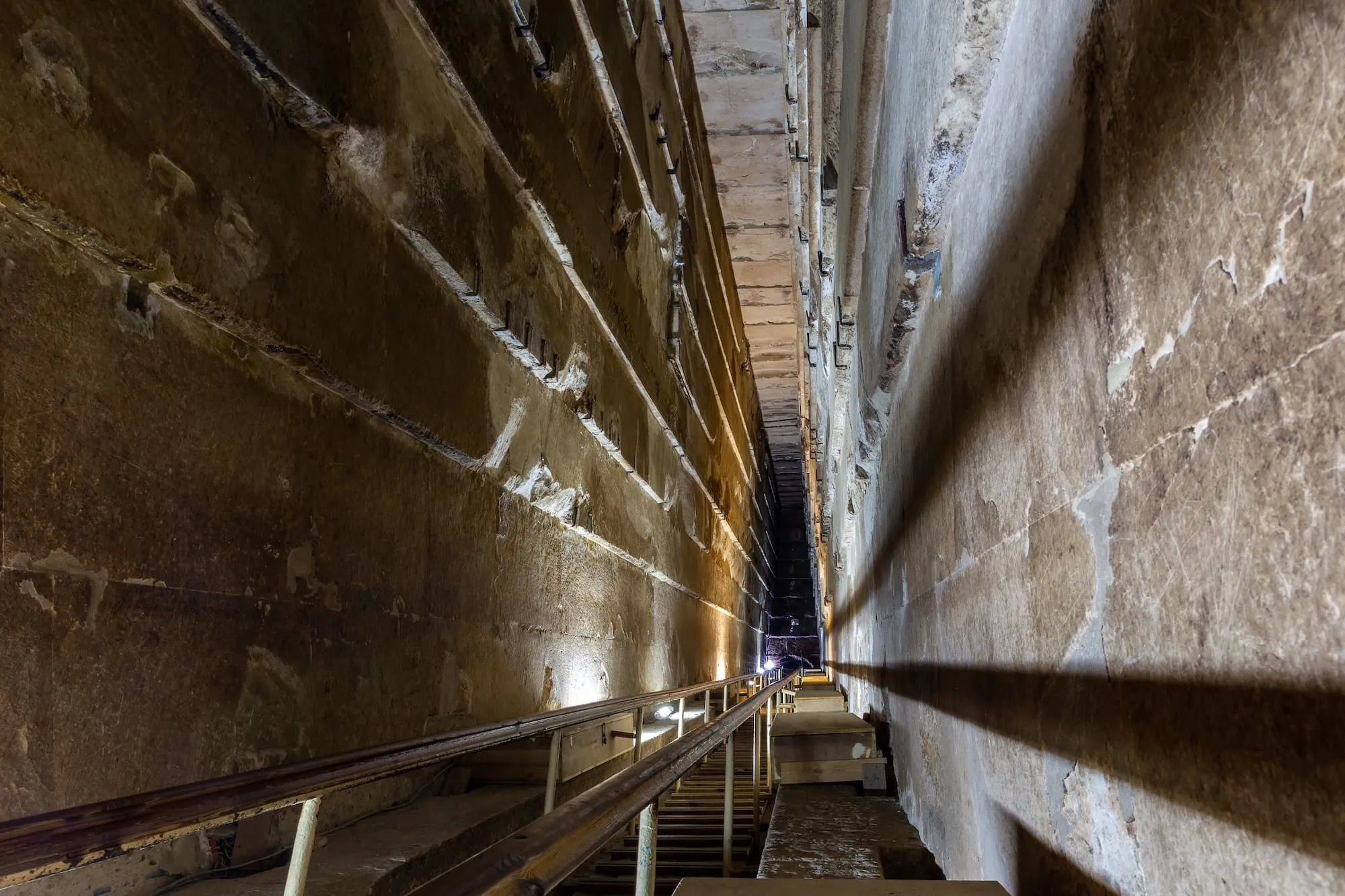
Professional guides carry portable lighting equipment to help capture clear images of hieroglyphic inscriptions and architectural details that remain remarkably preserved.
Valley Temple and Sphinx Complex Exploration
The Valley Temple of Khafre showcases precision stone-cutting techniques that modern stonemasons struggle to replicate. Massive granite blocks fit together with gaps thinner than paper, demonstrating engineering mastery that predates Roman architecture by over 2,000 years.
Our guides explain how these structures connected to pyramid complexes through covered causeways that protected funeral processions from desert storms. Standing before the Great Sphinx feels like meeting history’s most famous riddle-keeper face to face.
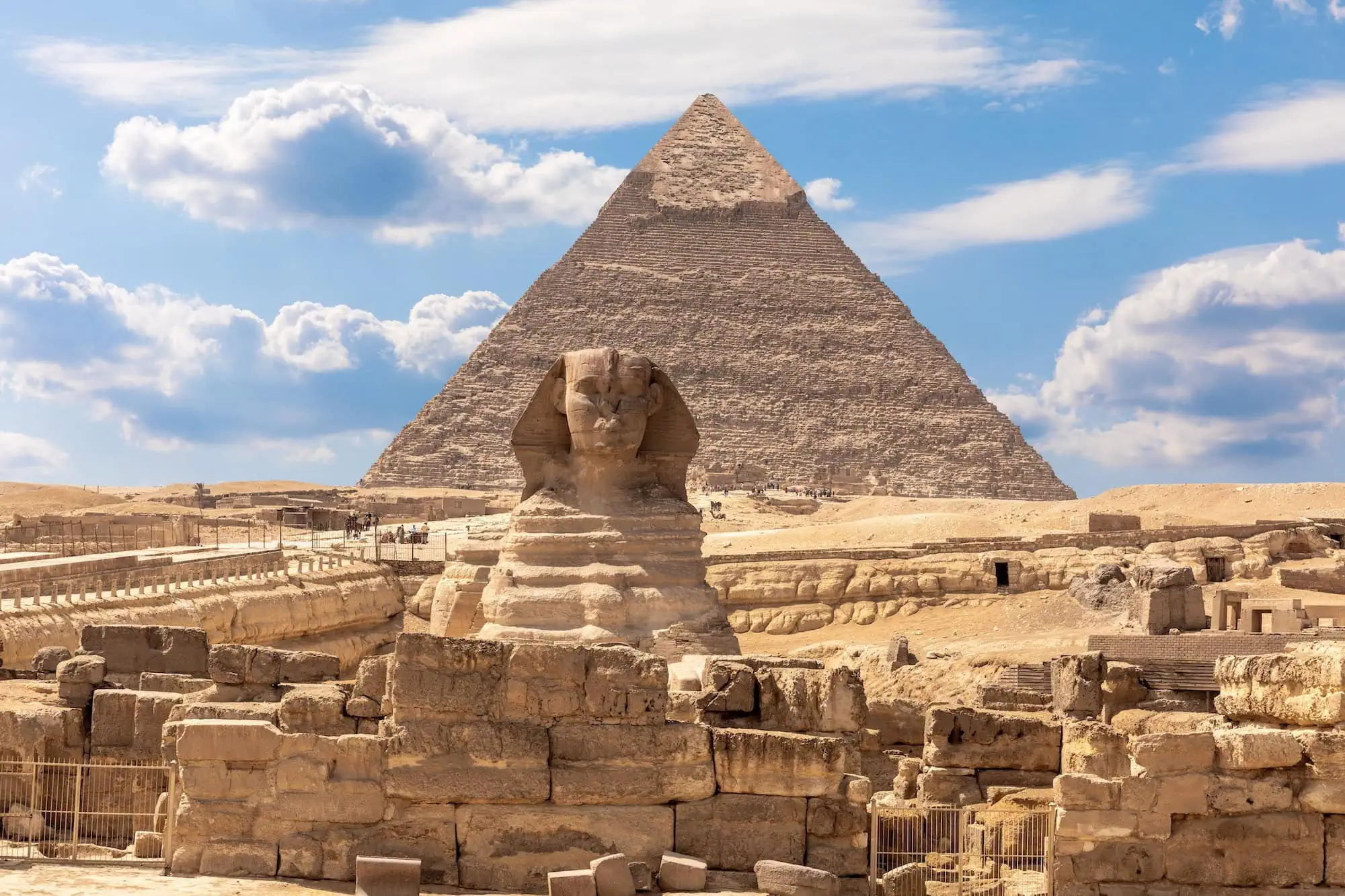
The Sphinx is conventionally dated to the reign of Khafre around 2500 BC based on its placement within his pyramid complex and stylistic features. The “water erosion” theory proposing a much older date has been advanced by some independent researchers but is not accepted by mainstream Egyptology.
Camel Rides Across Desert Landscapes
Traditional desert transportation offers perspectives that walking tours simply cannot provide. From camelback, the three main pyramids align in perfect harmony against endless sand dunes stretching toward the horizon.
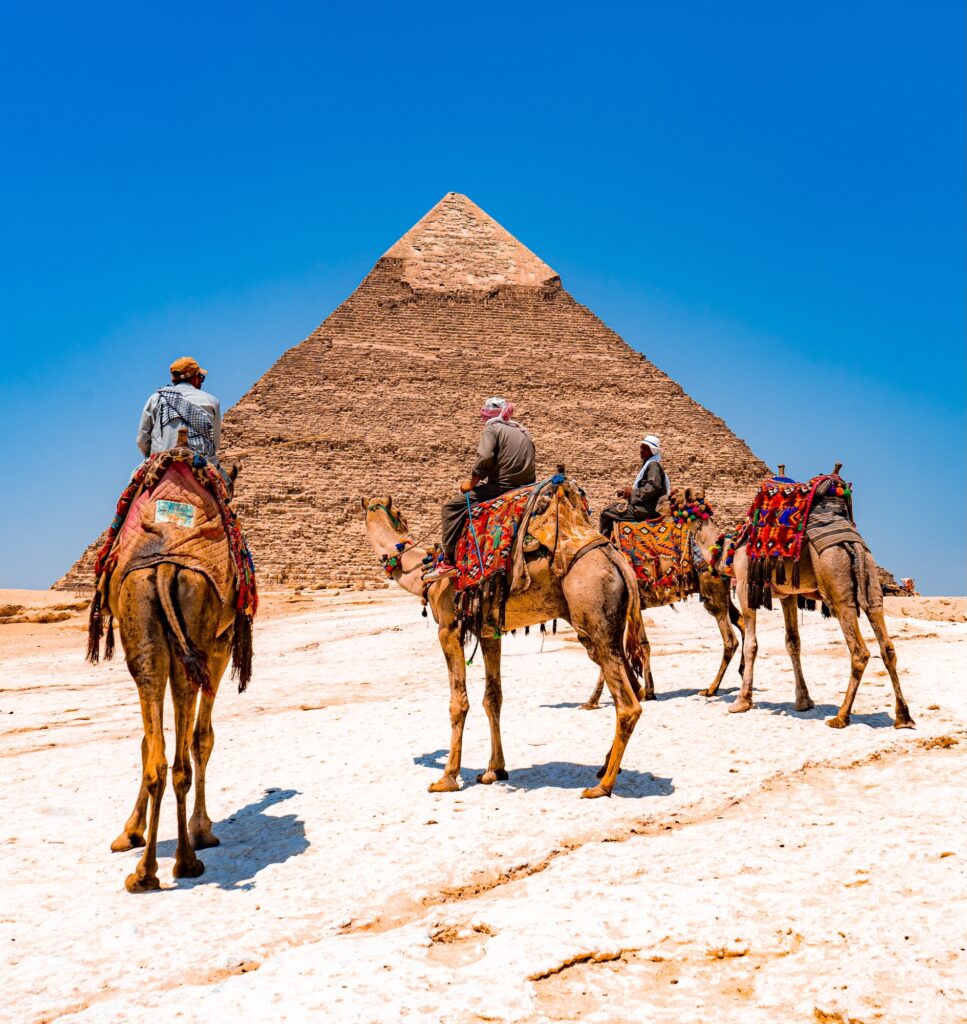
These gentle animals have carried travelers across this same terrain for thousands of years, creating connections between modern visitors and ancient caravan routes. Sunset camel excursions provide the most dramatic lighting conditions for photography.
Golden hour illumination transforms limestone surfaces into warm amber tones while long shadows emphasize architectural details that disappear during harsh midday sun.
Half-Day Tour Options: Maximizing Your Time
Cairo’s bustling energy gives way to profound tranquility the moment you enter the Giza plateau. Half-day experiences work perfectly for travelers with limited time or those combining pyramid visits with other Cairo attractions like the Grand Egyptian Museum or Islamic Cairo neighborhoods.
Morning tours start at 8:00 am (08:00) when temperatures remain comfortable and crowds stay manageable. Desert heat intensifies quickly after 11:00 am (11:00), making early starts particularly important during summer months when temperatures can reach 40°C (104°F) by midday.
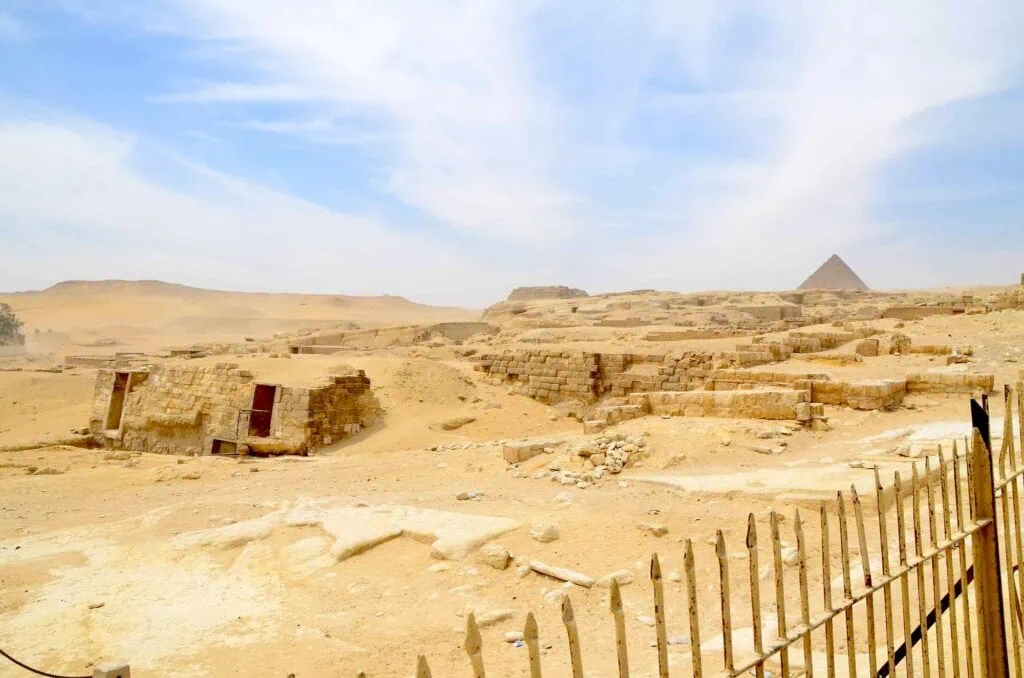
Our air-conditioned vehicles provide welcome relief during transfers between pyramid sites. Professional drivers navigate desert roads with ease while sharing local knowledge about modern Giza neighborhoods that surround this ancient complex.
Hotel pickup services eliminate transportation stress, allowing you to focus entirely on the incredible experiences ahead. Every Giza Pyramids excursion we arrange is fully private — just your party, your Egyptologist guide, and your driver. The Pyramid of Menkaure, smallest of the three main pyramids, often receives less attention than its famous neighbors. Its associated queens’ pyramids and mortuary temple complex offer intimate exploration opportunities at the pace your guide judges right for what interests you most.
However, its associated queens’ pyramids and mortuary temple complex offer intimate exploration opportunities away from larger tour groups. Archaeological work continues at this site, occasionally revealing new chambers and artifacts that add fresh perspectives to our understanding of Old Kingdom burial practices.
All-Inclusive VIP Experiences
Luxury travel meets ancient wonder through carefully curated experiences that eliminate every logistical concern.
Private Transportation and Expert Guides
Modern Mercedes vehicles equipped with Wi-Fi, chilled water, and comfortable seating ensure smooth journeys between sites. Our Egyptologist guides hold advanced degrees in archaeology, history, or related fields, bringing academic expertise to every explanation.
Unlike basic tour guides who memorize scripts, these professionals adapt their presentations to match your interests and answer complex questions about construction techniques, religious significance, or historical context.
Gourmet Lunch with Pyramid Views
Traditional Egyptian cuisine tastes even better when enjoyed against backdrops of humanity’s greatest architectural achievements. Our restaurant partners serve authentic dishes like koshari, grilled kebabs, and fresh flatbreads on terraces overlooking the pyramid complex.
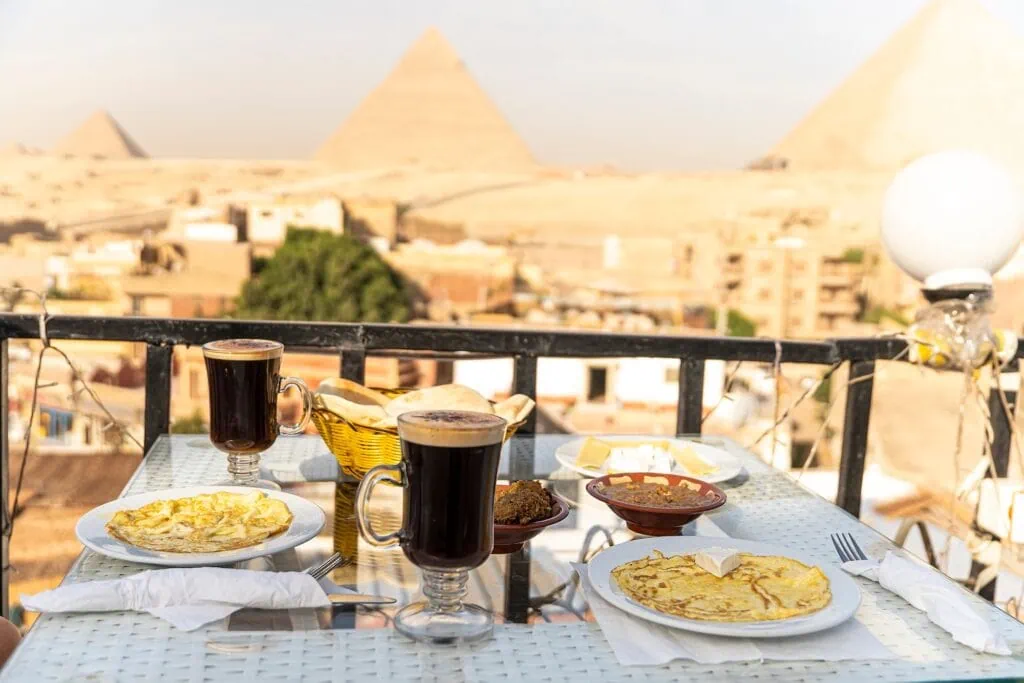
Vegetarian and dietary restriction options ensure every traveler enjoys satisfying meals during full-day excursions.
Exclusive Photography Sessions
Professional photographer assistance elevates your vacation pictures from snapshots to treasured keepsakes. These experts know optimal shooting locations, understand lighting conditions throughout the day, and can capture group photos at spots typically crowded with other tourists.
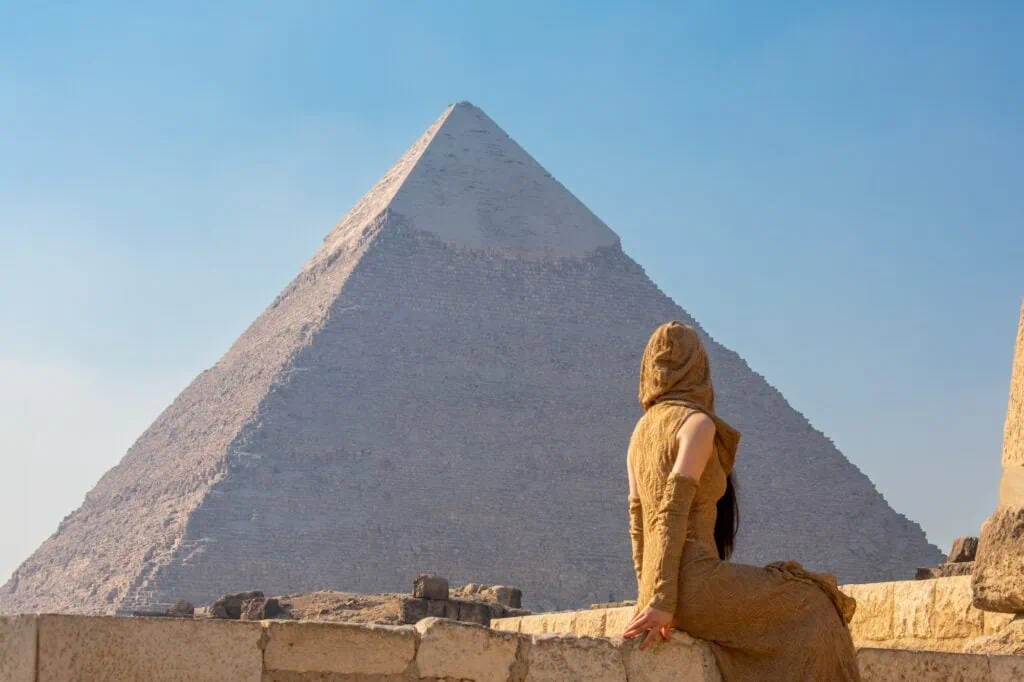
Drone photography permits require advance coordination, but aerial perspectives of the entire Giza complex create stunning visual memories.
Grand Egyptian Museum Integration
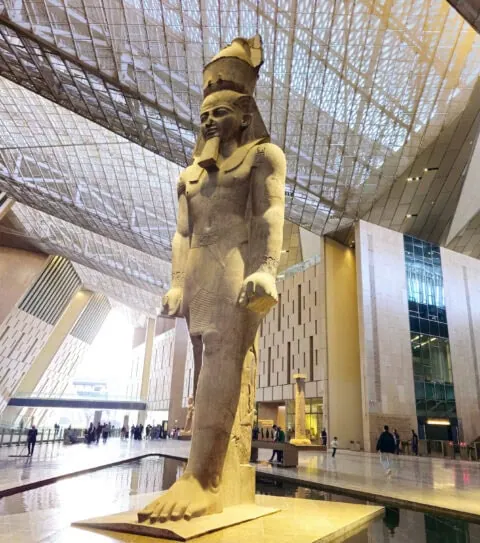
The Grand Egyptian Museum stands just 2 km (1.2 miles) from the pyramid complex and is now fully open to the public, housing the world’s largest collection of ancient Egyptian artifacts. The complete Tutankhamun burial collection (more than 5,000 items including the golden funerary mask, the inner shrines, and the chariots) is displayed together for the first time since the tomb’s discovery in 1922, alongside colossal statues, the relocated solar boat of Khufu, and immersive galleries spanning 5,000 years of pharaonic history.
Among the GEM’s signature exhibits is the original Solar Boat of Khufu, the 4,500-year-old cedar vessel originally found in pieces in a sealed pit beside the Great Pyramid in 1954. The boat has been moved from its previous on-site museum at Giza to a purpose-built gallery at GEM, where it can now be viewed in climate-controlled conditions.
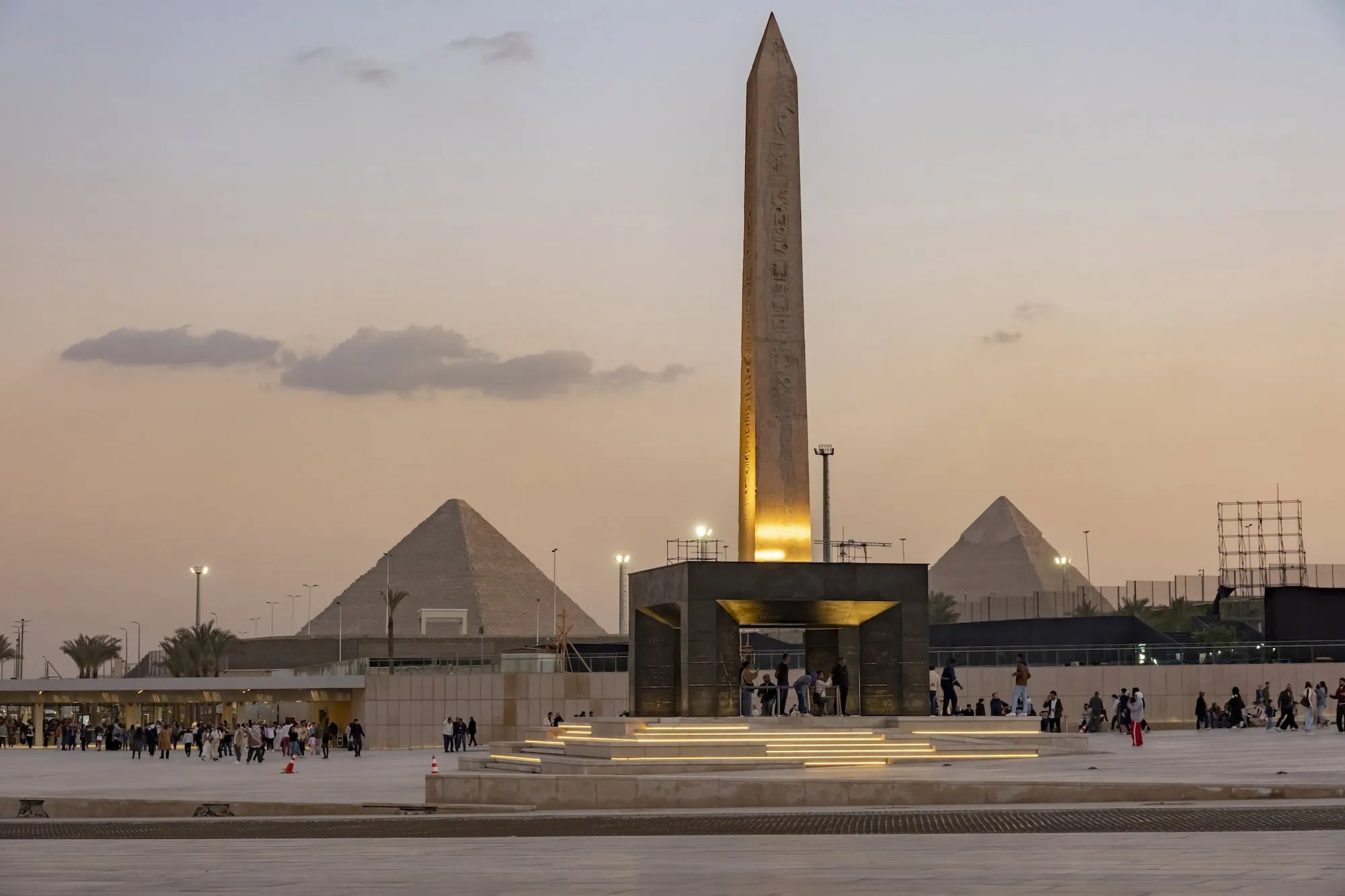
Climate-controlled galleries protect priceless artifacts while providing comfortable environments for extended exploration. Interactive displays explain pyramid construction techniques, mummification processes, and daily life in ancient Egypt through immersive multimedia presentations.
Children particularly enjoy hands-on learning stations where they can try hieroglyphic writing or examine replica artifacts. Combined tours linking the Grand Egyptian Museum with pyramid visits create comprehensive introductions to ancient Egyptian civilization.
Morning museum exploration provides historical context that enriches afternoon pyramid experiences, while artifacts on display connect directly to sites you’ll visit on the Giza plateau.
Adventure Activities and Desert Experiences
Quad Biking Across Sand Dunes
Desert adventure takes on new dimensions when powerful ATVs carry you across terrain that stretches beyond the pyramid complex. These guided excursions explore areas where ancient quarries supplied limestone blocks for pyramid construction, following paths that connected Nile River ports with building sites over 4,000 years ago.
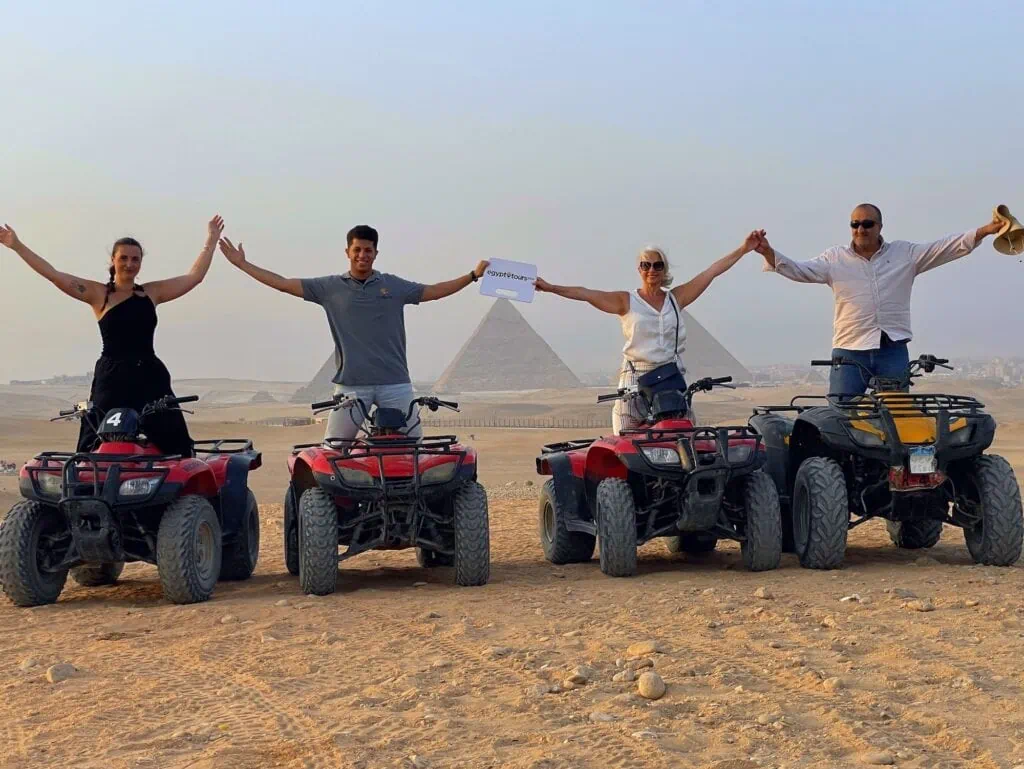
Safety equipment and thorough instruction ensure riders of all experience levels can participate confidently. Professional guides lead convoy-style groups at comfortable speeds while pointing out geological features and the ancient quarry sites that supplied limestone for pyramid construction.
Sound and Light Shows
Evening illumination transforms the Giza complex into a theatrical stage where ancient stories unfold through dramatic lighting and multilingual narration. These presentations occur three times nightly in different languages, with English shows typically starting at 7:00 pm (19:00) during winter months and 8:00 pm (20:00) in summer.
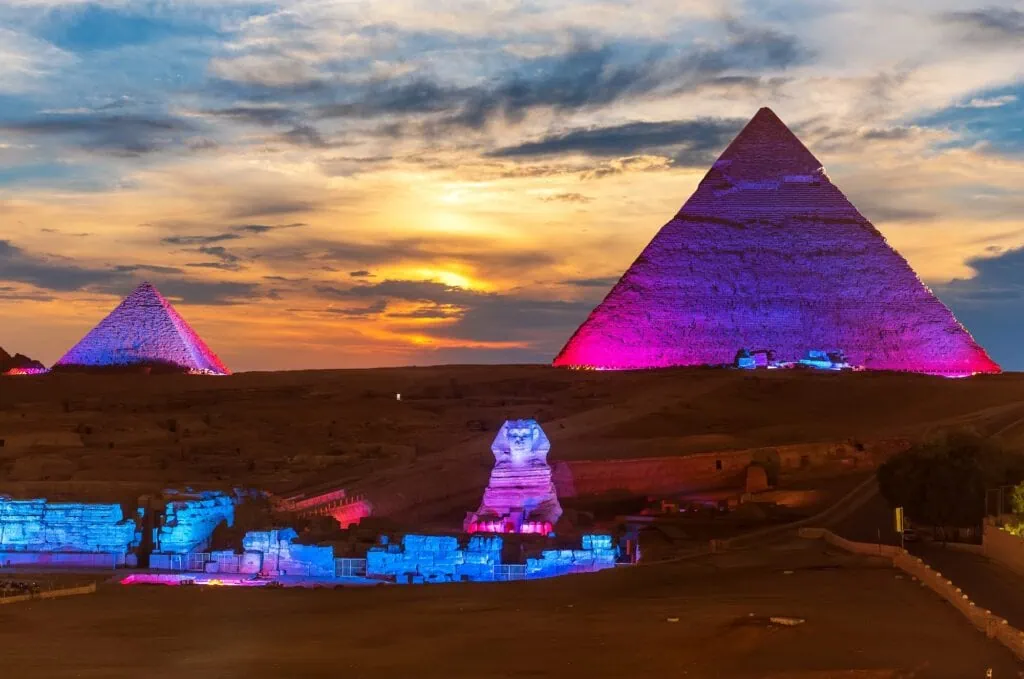
Reserved seating areas provide unobstructed views of all three pyramids and the Sphinx during hour-long presentations. Advanced LED technology creates color displays that highlight architectural features while surround sound systems deliver crystal-clear narration even from distant seating positions.
Combining Giza with Other Egyptian Destinations
Memphis and Saqqara Day Trips
Ancient Egypt’s former capital city of Memphis lies approximately 25 km (15 miles) south of the Giza pyramids, creating natural opportunities for extended historical exploration. The massive statue of Ramesses II and the alabaster sphinx found here demonstrate artistic mastery that evolved over centuries of pharaonic rule.
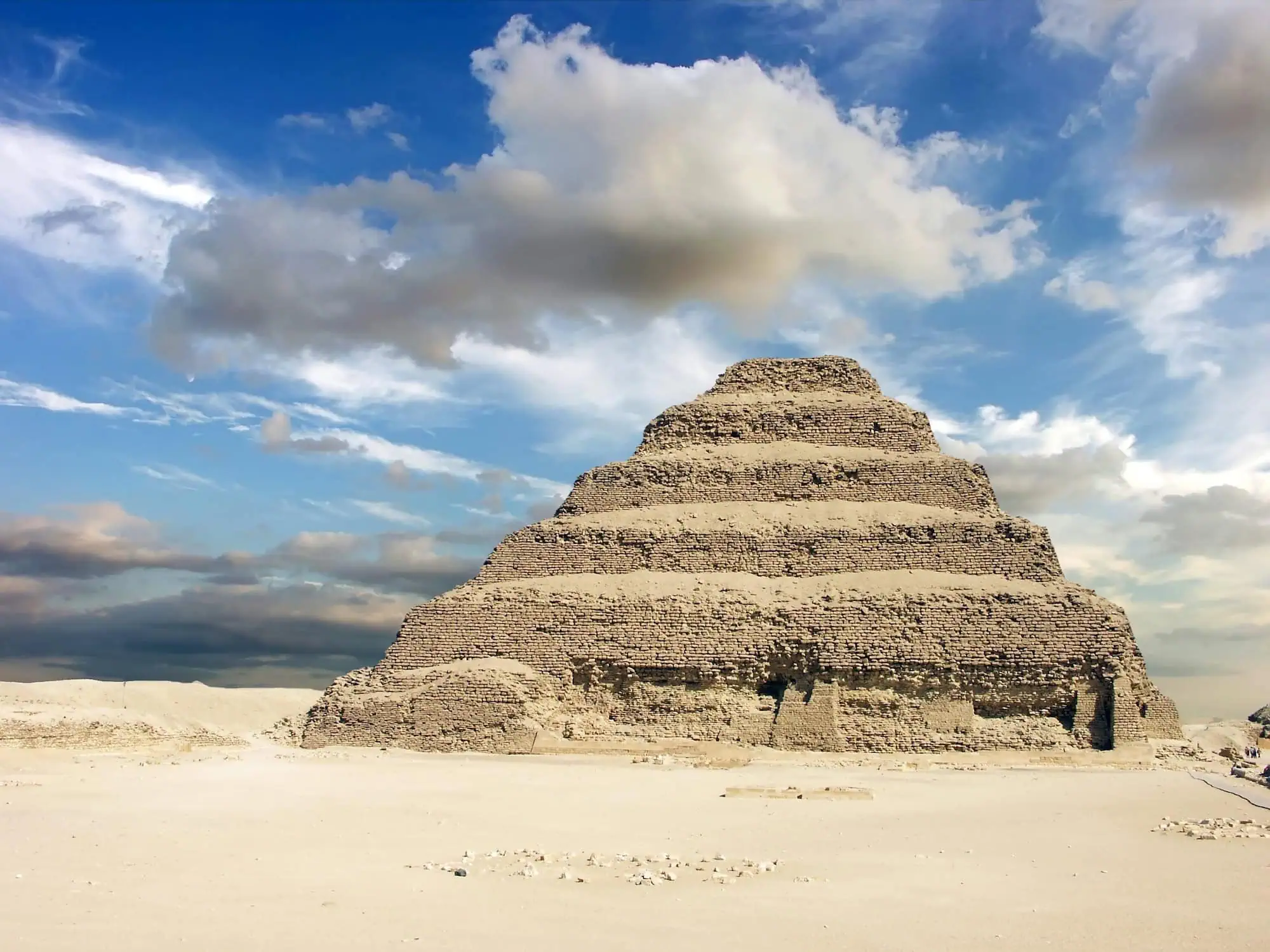
Saqqara’s Step Pyramid of Djoser, designed by the architect Imhotep around 2670 BC, represents humanity’s first monumental stone building and predates the Great Pyramid of Khufu by approximately 90 years. Recent archaeological discoveries have opened previously sealed chambers within this complex, revealing colorful wall paintings and hieroglyphic texts that remained hidden for over 4,000 years.
Felucca Rides
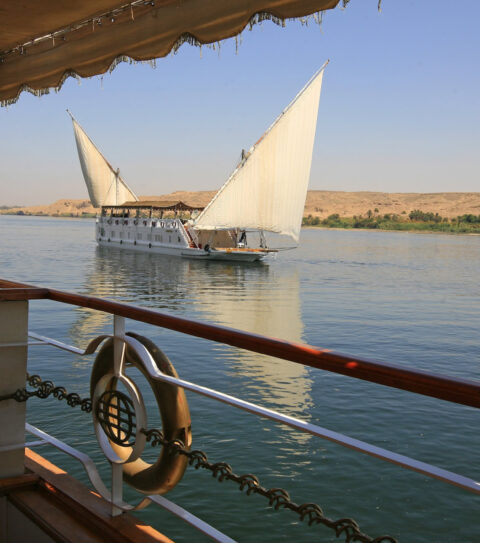
Felucca sailboat rides on the Nile provide peaceful conclusions to intense pyramid touring days. Traditional wooden boats glide silently past modern Cairo’s skyline while gentle breezes carry the sounds and scents of river life that has remained largely unchanged since pharaonic times.
Planning Your Perfect Visit
Best Times for Photography
The October-to-April window offers ideal sightseeing temperatures of 20 to 25°C (68 to 77°F) during the day, with December through February as the coolest months when temperatures occasionally drop to 15°C (59°F). May through September regularly exceed 35°C (95°F) and approach 40°C (104°F) at midday in summer, requiring early-morning visits and extended midday breaks.
Sunrise visits require early 6:00 am (06:00) starts but reward photographers with golden lighting conditions and empty monument sites perfect for unobstructed shots. Sunset timing varies seasonally but generally occurs between 5:00 pm (17:00) and 7:00 pm (19:00), creating warm light that enhances limestone surfaces.
Visa Requirements and Entry Information
Most international visitors enter Egypt on a tourist visa for $25 USD valid for 30 days, available either online before departure through Egypt’s e-visa system or on arrival at major airports including Cairo International Airport. The e-visa system handles US, UK, EU, Canadian, Australian, and many Latin American passport holders in advance. Passports must be valid for at least six months beyond your travel dates. Travelers from other countries should verify current requirements with their local Egyptian consulate.
Transportation from Cairo Hotels
Hotel pickup services begin 30-60 minutes before tour start times depending on traffic conditions and hotel locations within greater Cairo. Modern vehicles navigate the city’s busy streets while drivers provide commentary about neighborhoods, landmarks, and local culture encountered during transfers.
Traffic patterns significantly impact travel times, with morning rush hours potentially extending 45-minute journeys to 90 minutes during peak periods. Afternoon returns generally move faster as tour departures coincide with reduced commercial traffic heading away from central Cairo.
Specialized Tour Options
Family-Friendly Pyramid Adventures
Children develop lasting fascination with ancient Egypt when tours adapt to shorter attention spans and hands-on learning opportunities. Our family guides carry replica artifacts, interactive maps, and engaging stories that transform historical facts into exciting adventures kids remember long after returning home.
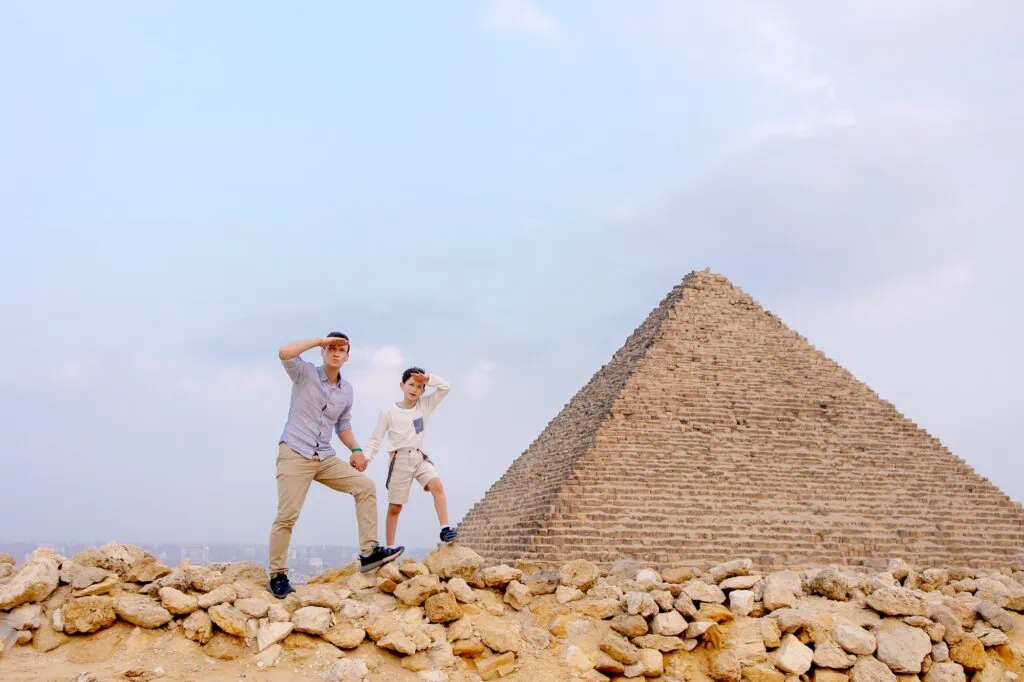
Camel riding provides particular excitement for younger travelers, though weight restrictions and safety considerations limit participation to children over eight years old. Alternative activities like horse-drawn carriage rides around the pyramid complex offer similar perspectives for families with smaller children.
Wheelchair Accessible Visits
Modern accessibility modifications allow mobility-limited visitors to experience pyramid exteriors, the Sphinx complex, and several interior chambers through specially designed pathways and ramps. While some areas remain inaccessible due to narrow ancient passages and steep stairs, comprehensive exploration remains possible for determined travelers with mobility challenges.
Specialized vehicles accommodate wheelchairs and mobility equipment while trained guides provide assistance navigating uneven terrain common throughout the archaeological site. Advanced notification allows our team to coordinate appropriate support equipment and route planning for individual needs.
Photography Workshop Tours
Professional instruction elevates vacation pictures through technical guidance about camera settings, composition techniques, and optimal timing for different lighting conditions. These specialized tours focus primarily on photographic opportunities rather than historical education, though expert guides still provide essential context about monuments and their significance.
Equipment recommendations include wide-angle lenses for capturing complete pyramid faces, telephoto options for Sphinx detail shots, and sturdy tripods essential for low-light interior photography. Backup memory cards and extra batteries prove crucial as intensive shooting sessions quickly deplete standard camera power reserves.
Want More Than a Day at Giza?
A half-day excursion gets you in front of the Great Pyramid and the Sphinx, but a multi-day tour gives you the rest of what makes Egypt extraordinary. Most travelers who come for the Pyramids quickly realize they want Saqqara and Memphis on day two, the Grand Egyptian Museum without rushing, an evening Sound and Light show with proper time to take it in, and a Nile cruise stretch through Luxor and Aswan to see the temple-and-tomb half of ancient Egypt that Giza alone cannot deliver.
Tell your Travel Concierge how much time you have and what pulls at you most, and we’ll build the days around it. Cairo and Giza in proper depth, Saqqara and Dahshur on a side day, the classic Luxor-Aswan Nile cruise, multi-country options through Jordan or Greece, all with private Egyptologist guides on every land-touring day and your first-draft itinerary back in your inbox within 1 to 12 hours.
Frequently Asked Questions
Half-day tours run 4-5 hours including transportation, while full-day experiences extend 8-10 hours when combined with museum visits.
Yes, the Great Pyramid and Pyramid of Khafre allow interior access through separate ticket purchases with limited daily visitors.
Early morning (8:00-10:00 am) offers cooler temperatures and fewer crowds, while late afternoon provides dramatic photography lighting.
Camel riding is optional and available as an add-on activity for most tours, typically costing $10-15 USD for 30-45 minutes.
The Giza pyramid complex sits approximately 18 km southwest of central Cairo, requiring 45-90 minutes travel time depending on traffic.
Comfortable walking shoes, sun protection, and modest clothing covering shoulders and knees are recommended with layered options for temperature changes.
Interior photography requires separate tickets costing 300-400 Egyptian pounds per pyramid, though flash photography and tripods are prohibited.
Private tours offer complete flexibility to focus on archaeology, photography, adventure activities, or family-friendly experiences based on individual preferences.
Full-day tours typically include lunch at restaurants with pyramid views, while half-day options provide bottled water and light snacks.
Every Giza Pyramids tour we arrange is fully private. Whether you book a half-day excursion, a full-day tour combining Giza with Saqqara and Memphis, or a shore excursion from a Nile cruise, you travel with just your party, your Egyptologist guide, and your driver. We never combine clients into shared groups. The only exception is shore excursions during Luxury Nile Cruise sailings, where shore visits are organized by the cruise vessel as small group experiences with fellow ship passengers — and that’s clearly stated upfront when booking those products.
Tours continue during religious periods though some restaurants and facilities may have modified hours, particularly during Ramadan fasting periods.
Most activities welcome all ages, though interior pyramid access may be challenging for small children and camel riding typically requires minimum age of 8 years.
Design Your Custom Tour
Explore Egypt your way by selecting only the attractions you want to visit